Handmade Furniture for Modern UK Homes
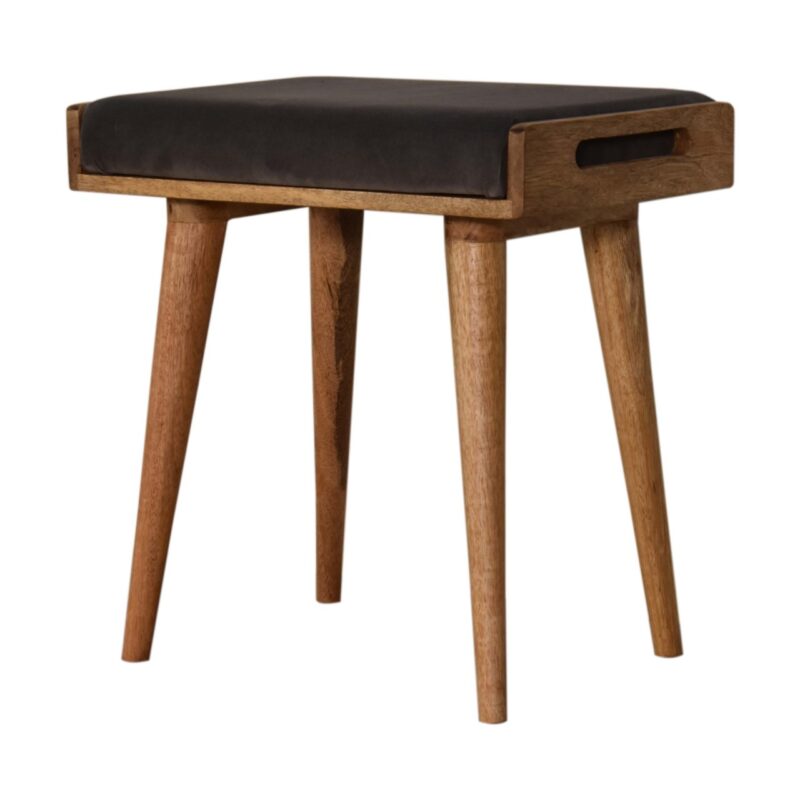
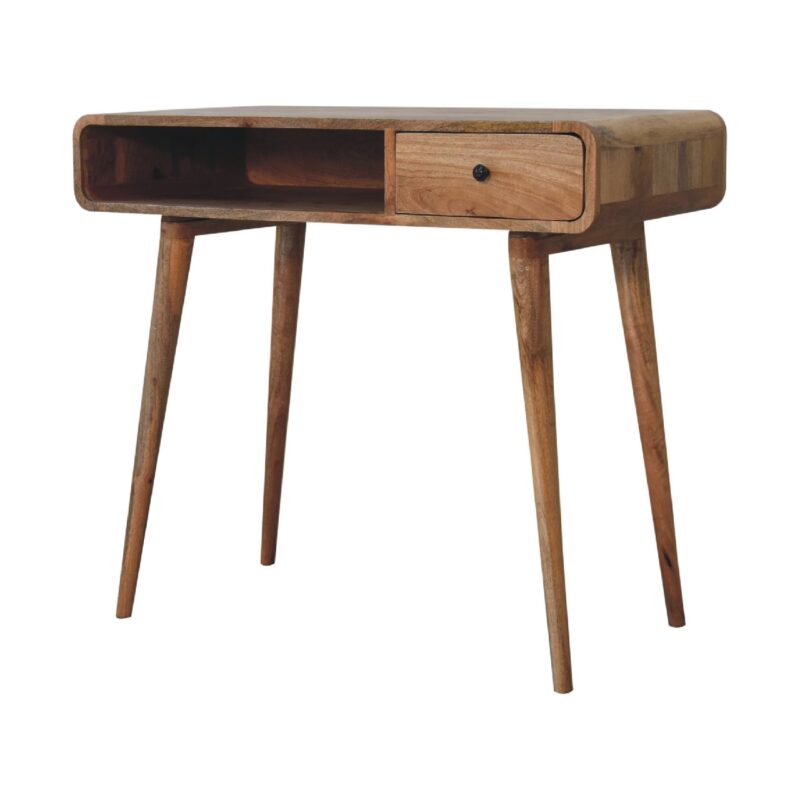
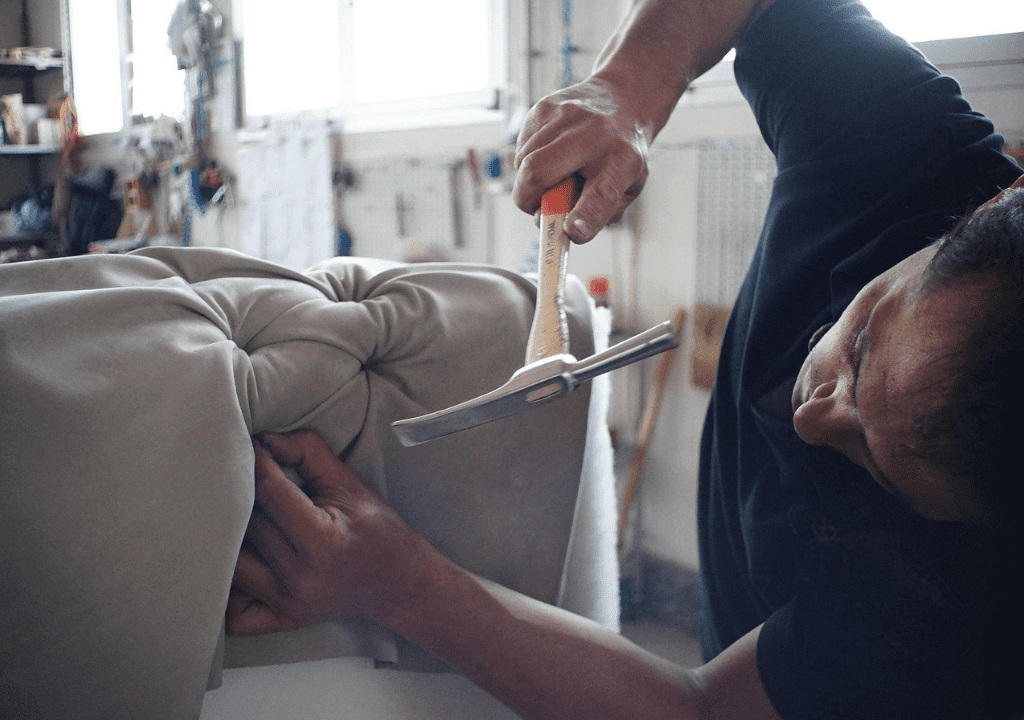
Choosing handmade furniture is about more than filling a room; it’s a commitment to character, craftsmanship, and materials that age gracefully. Because small‑batch production focuses on detail, every joint, edge, and finish receives attention a factory line can’t match. Consequently, artisan pieces feel more personal, last longer with care, and bring a calm, curated look to contemporary British interiors.
Why handmade furniture matters
Although mass‑market items are convenient, bespoke and artisan alternatives offer richer textures, tighter joinery, and finishes tuned to daily life. In addition, makers can adjust proportions, hardware, and colourways so each piece fits your space elegantly. Therefore, investing in artisan furniture supports local skills while delivering durability and a story worth sharing.
Materials and finishes you’ll love
Because raw materials set the tone, quality timbers and hard‑wearing boards make a difference. Oak and ash provide natural grain and warmth; moisture‑resistant boards with sealed edges handle busy areas; and lacquer or oil enhances depth while protecting against scuffs. Moreover, thoughtful hardware—solid handles, soft‑close runners, and hidden fixings—keeps daily use smooth and quiet.
Handmade living room furniture ideas
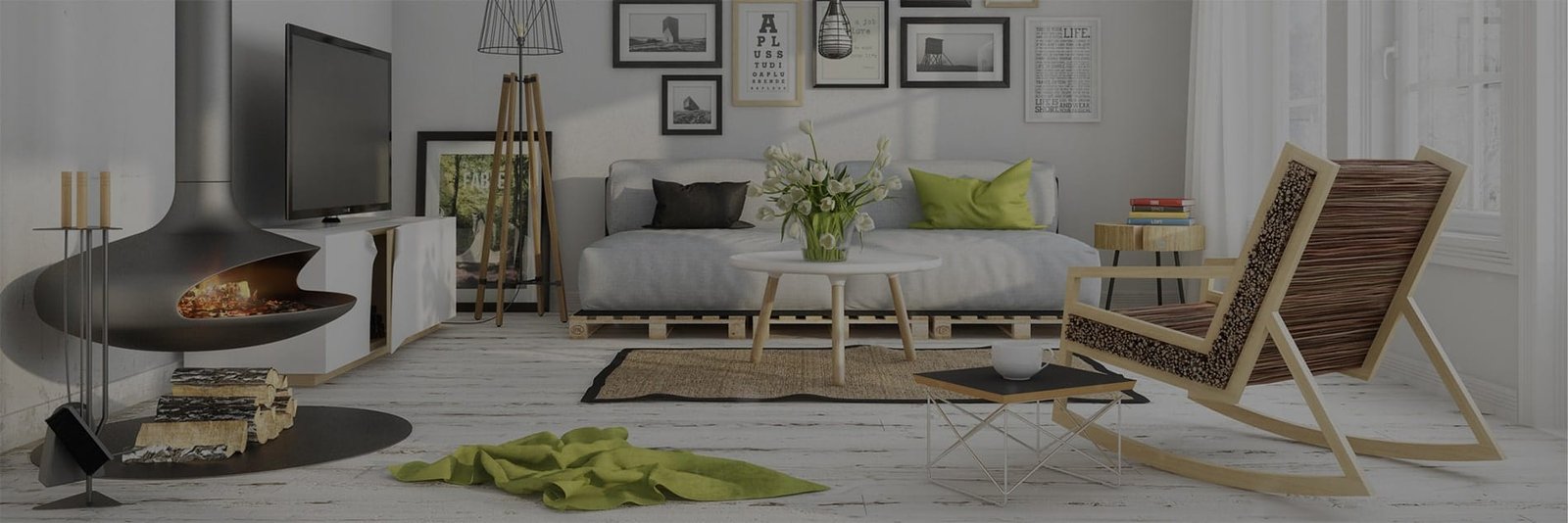
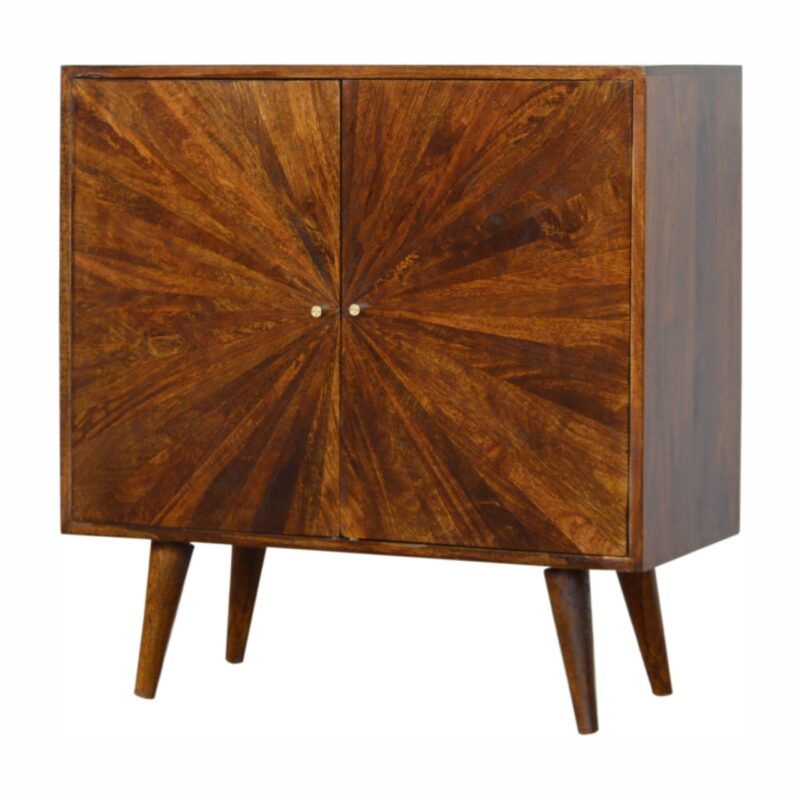
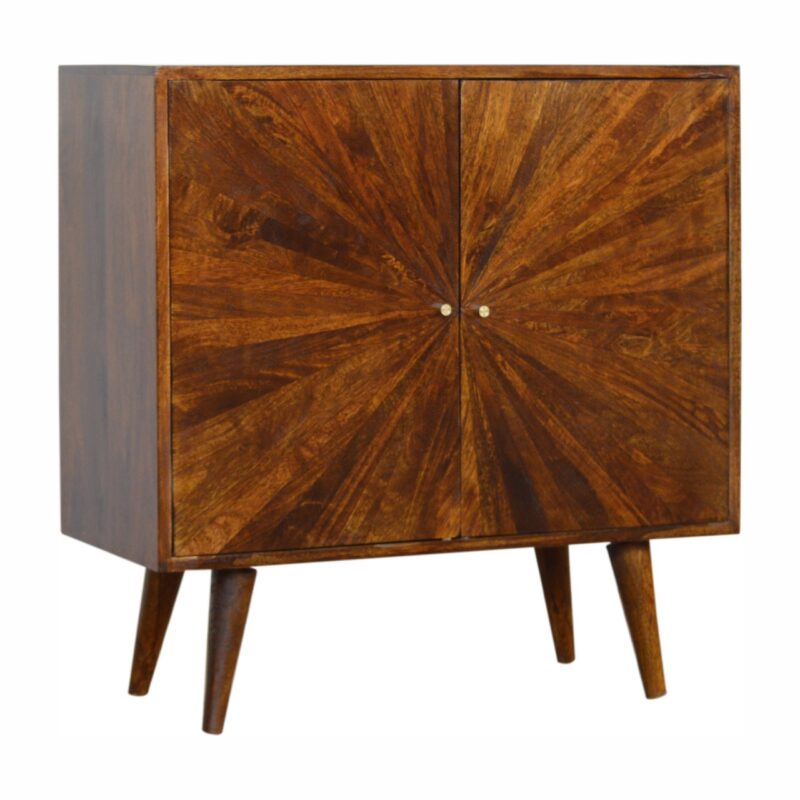
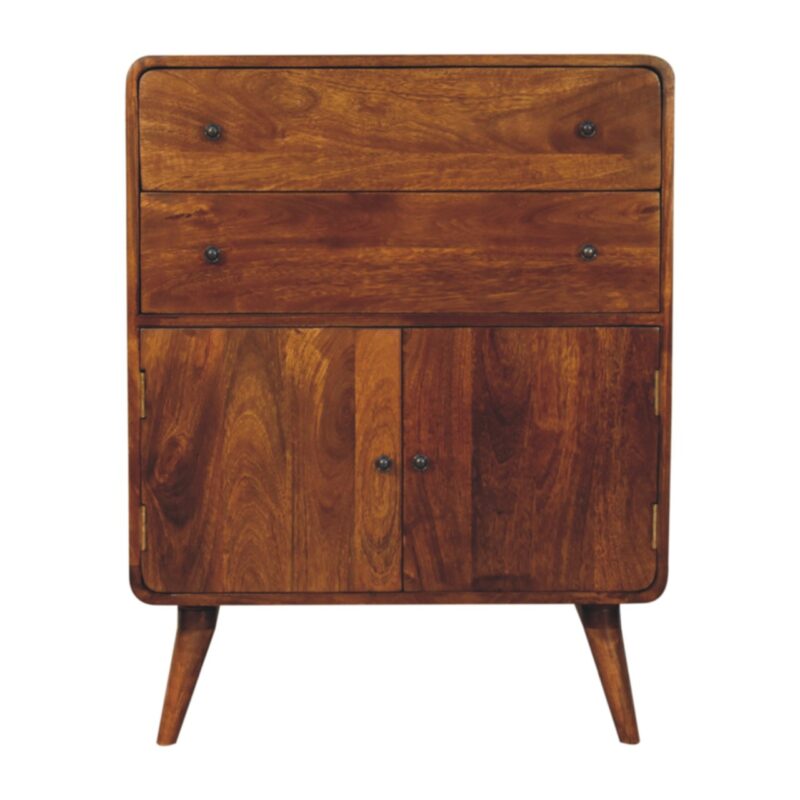
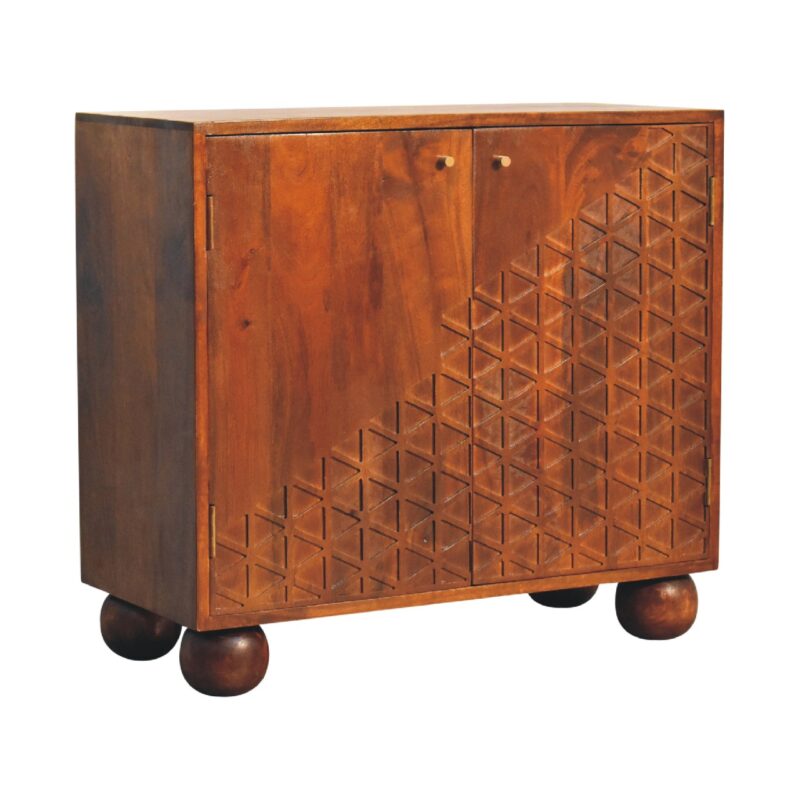
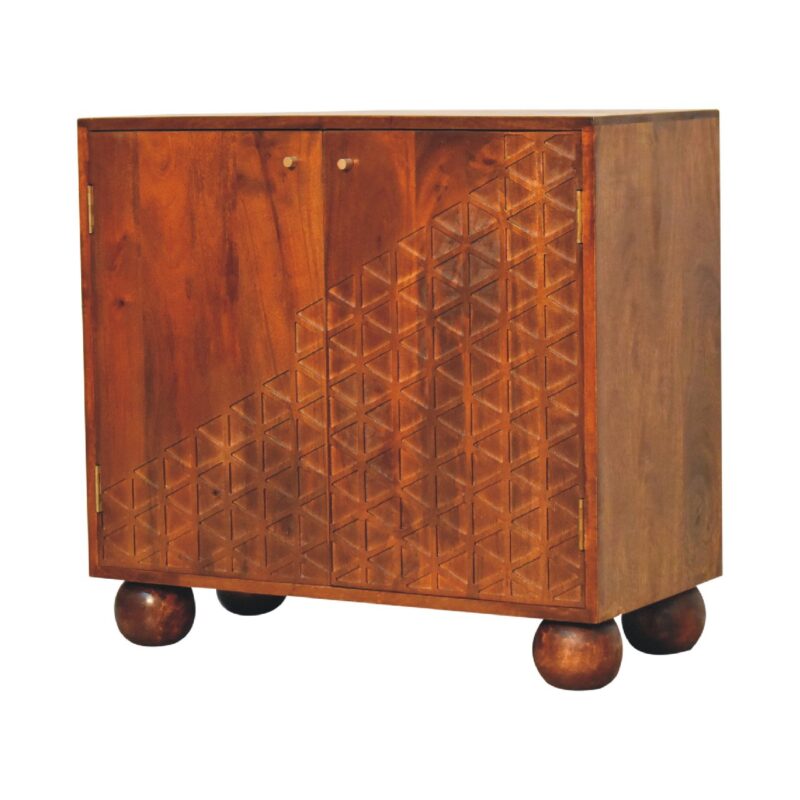
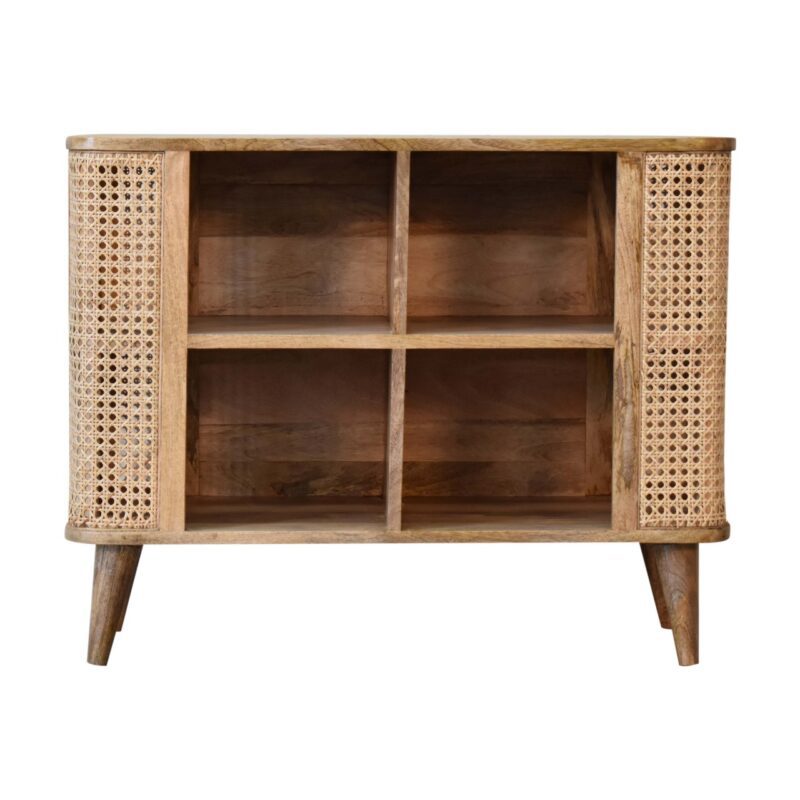
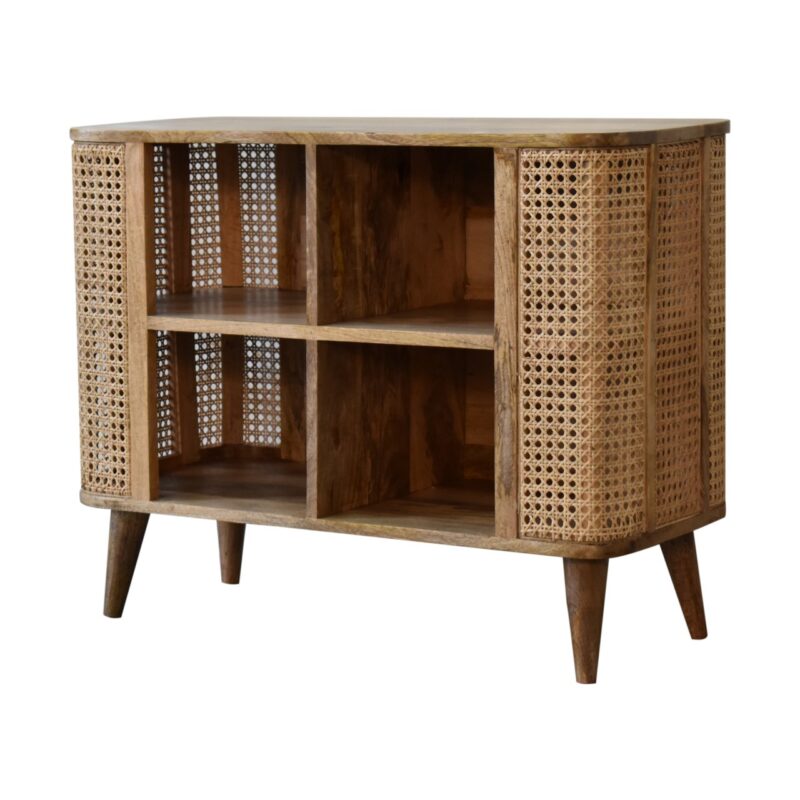
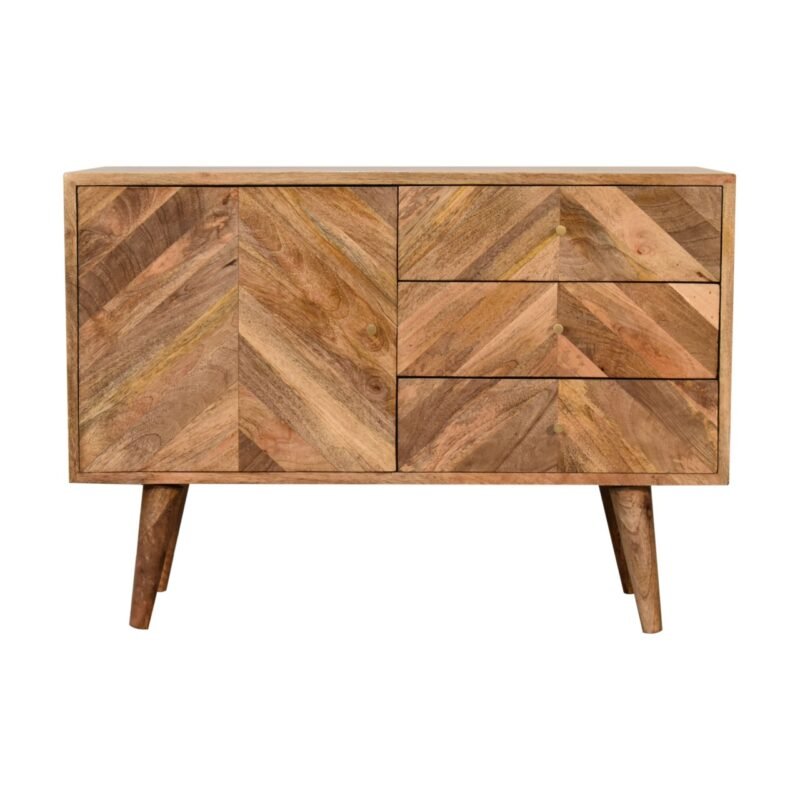
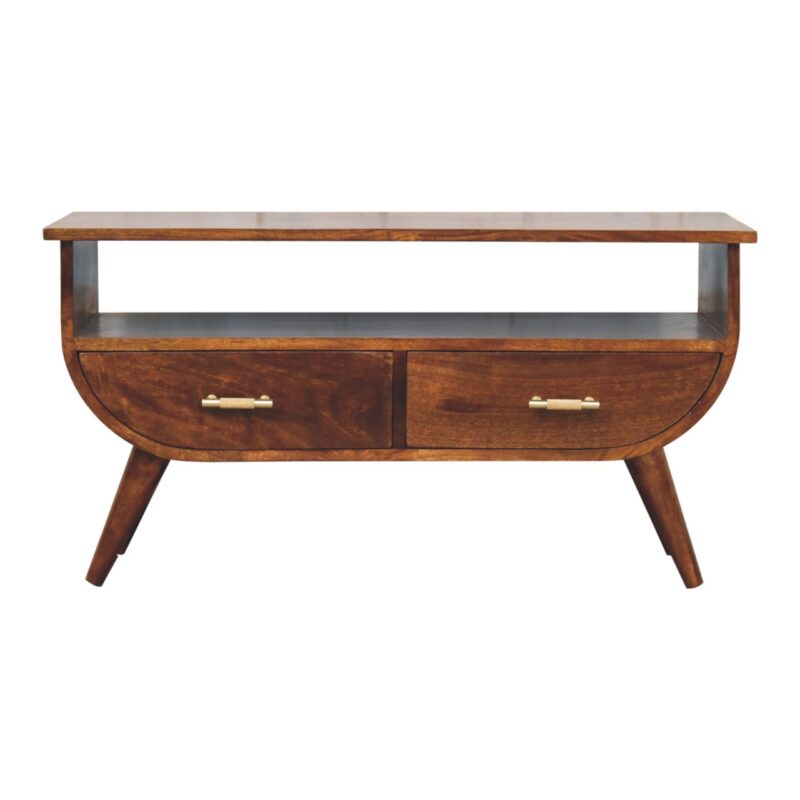
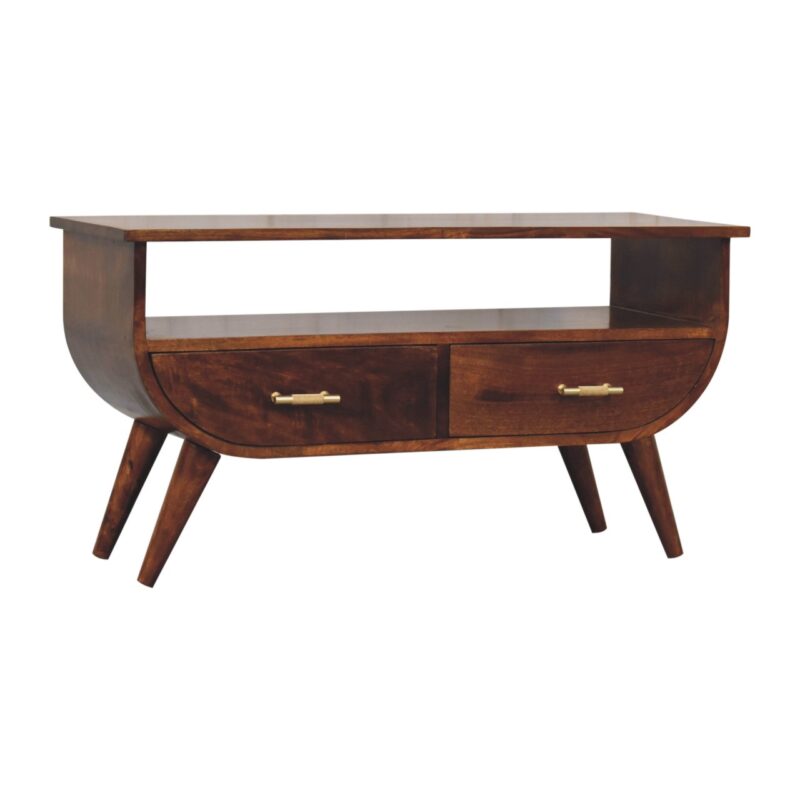
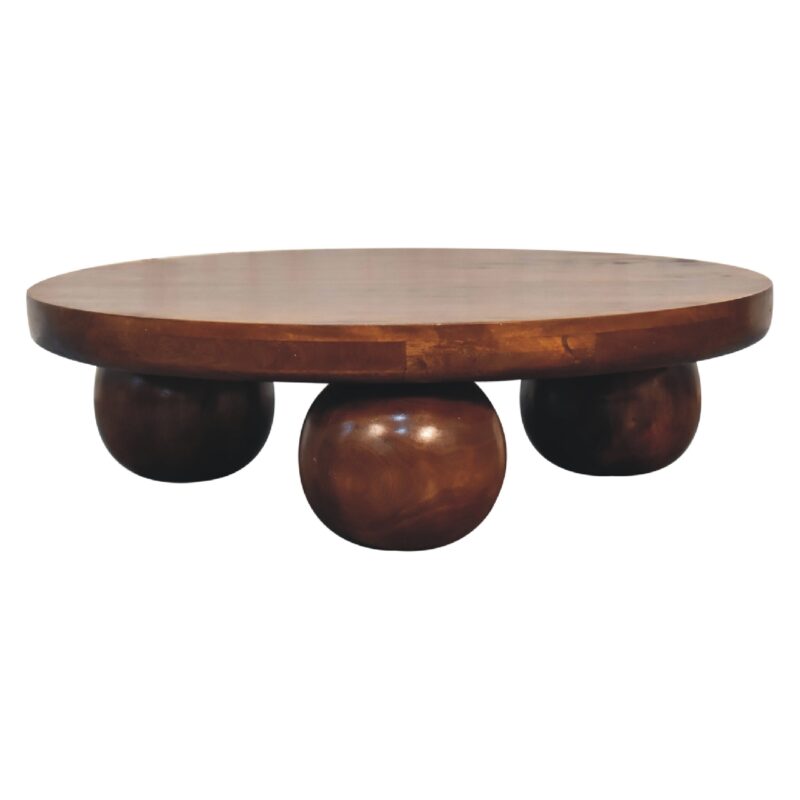
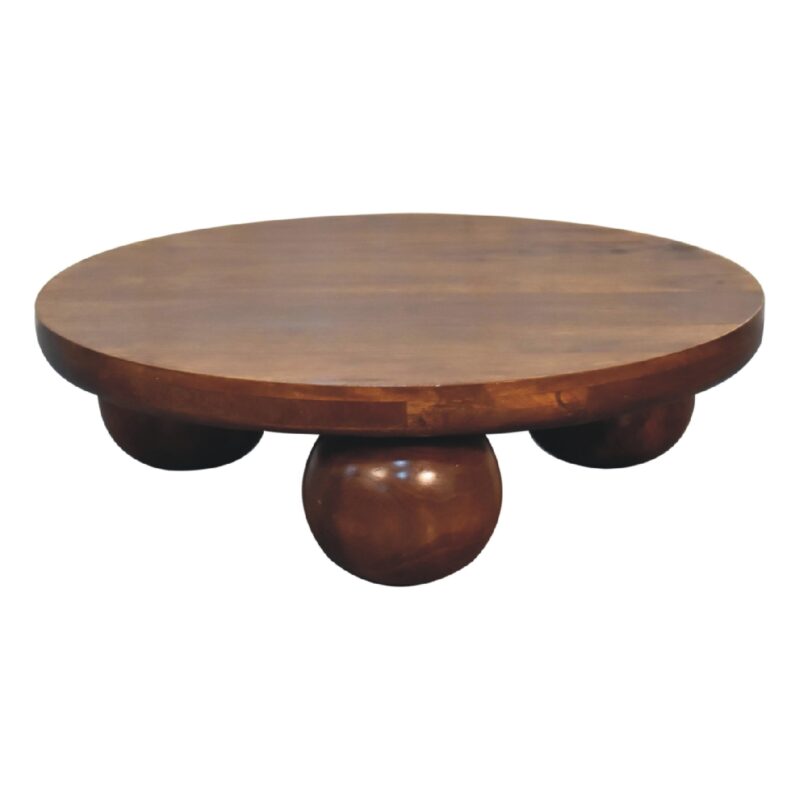
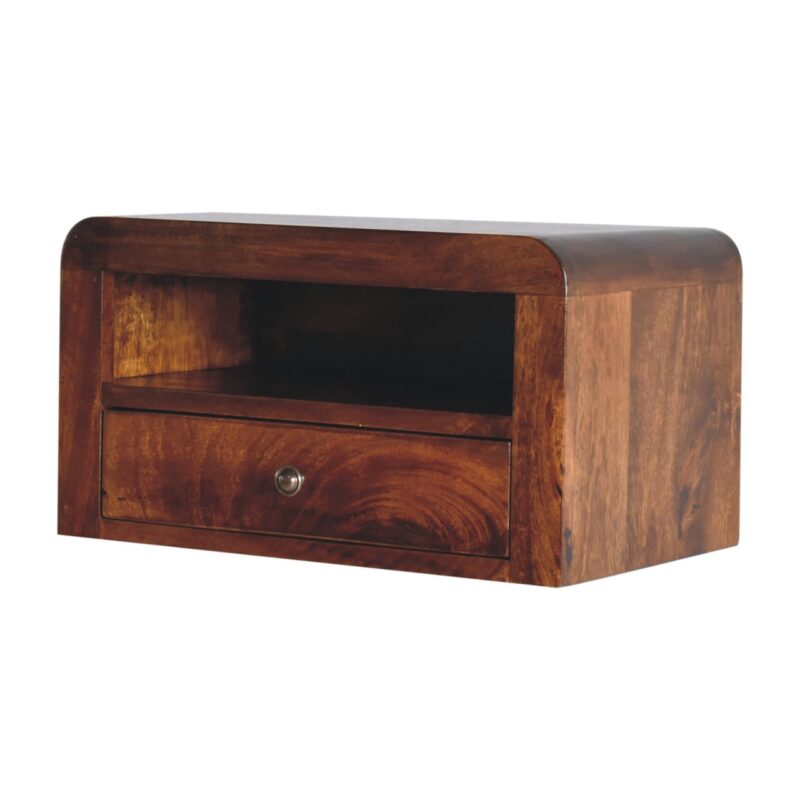
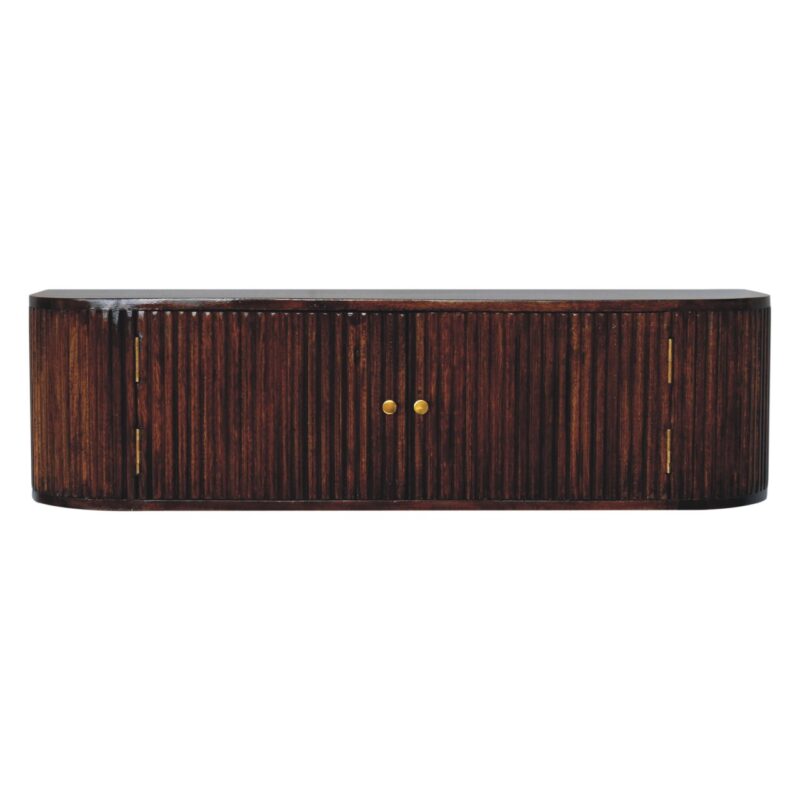
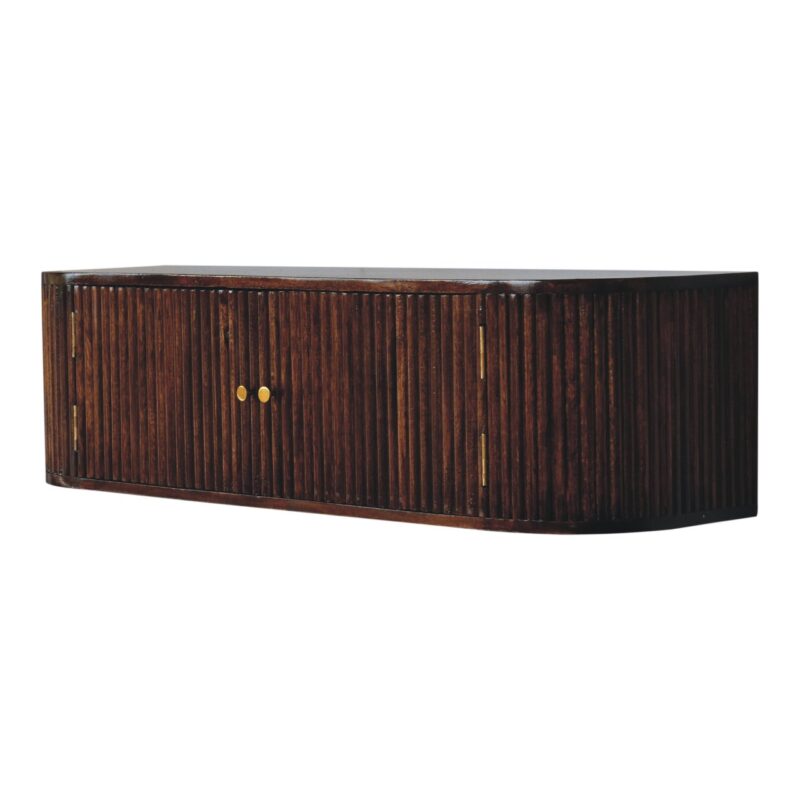
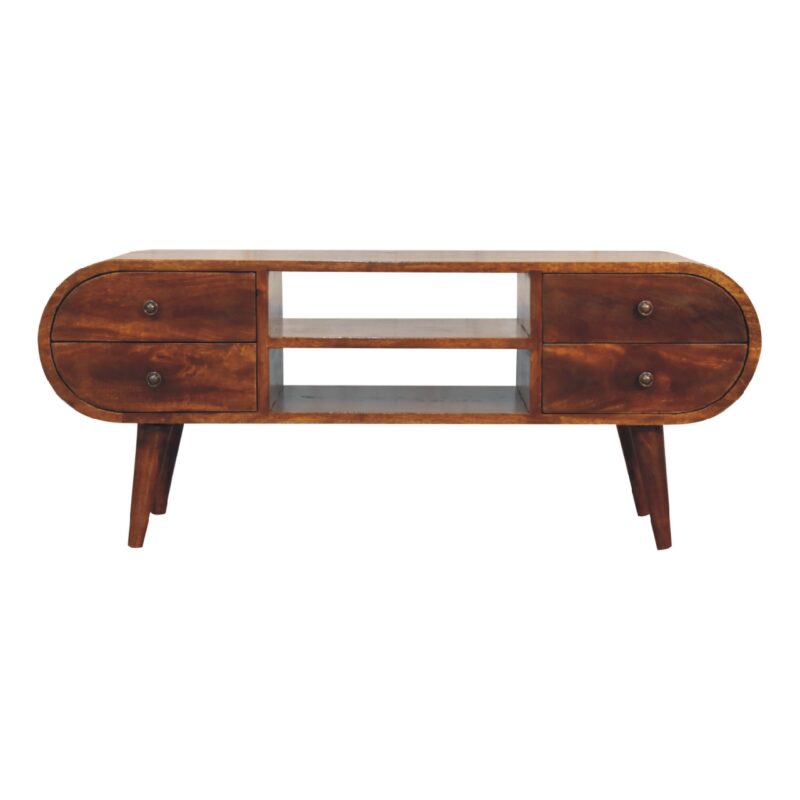
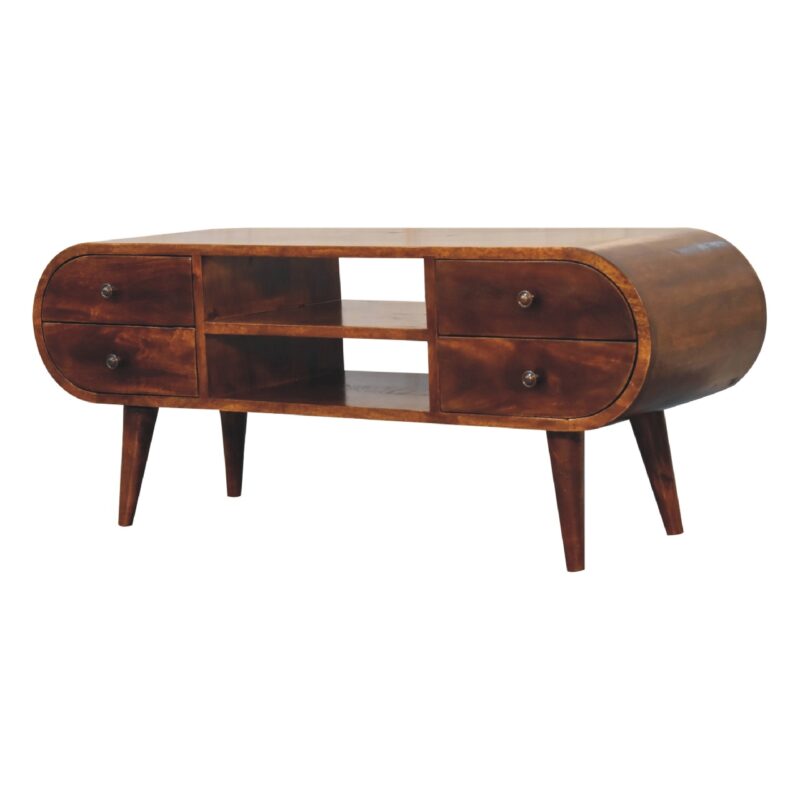
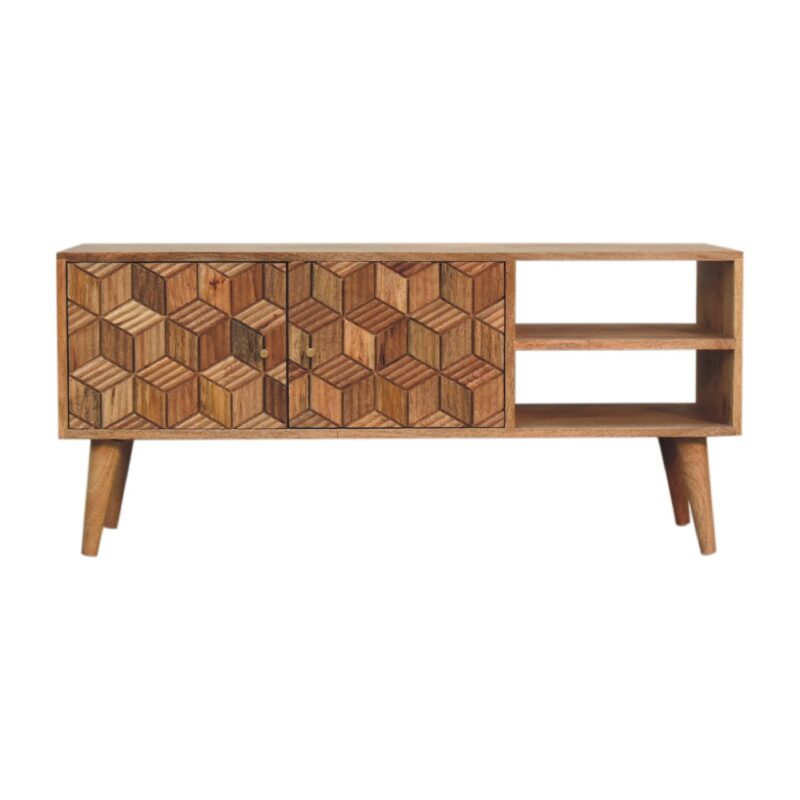
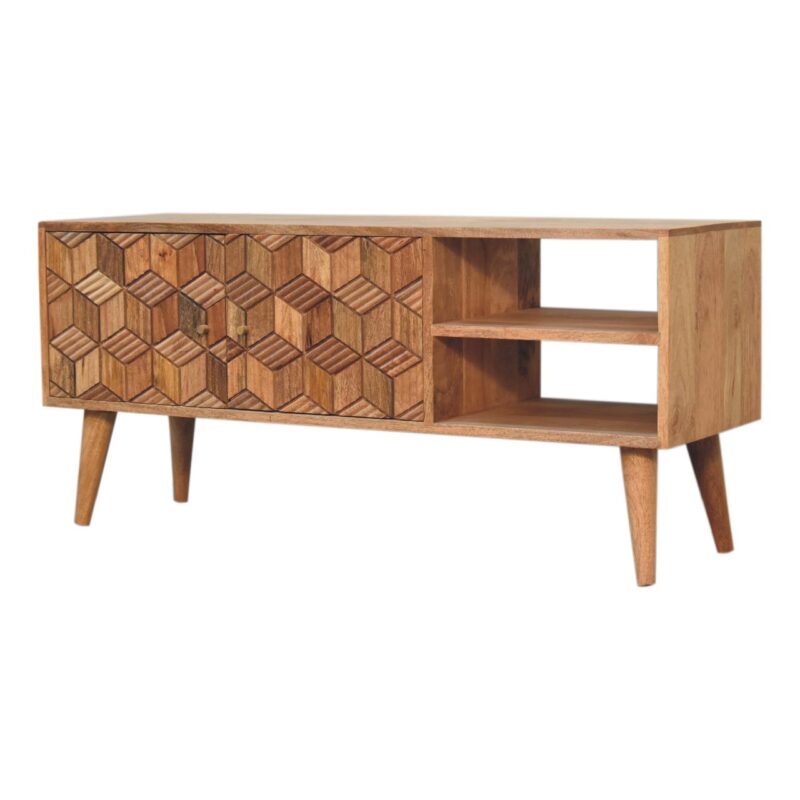
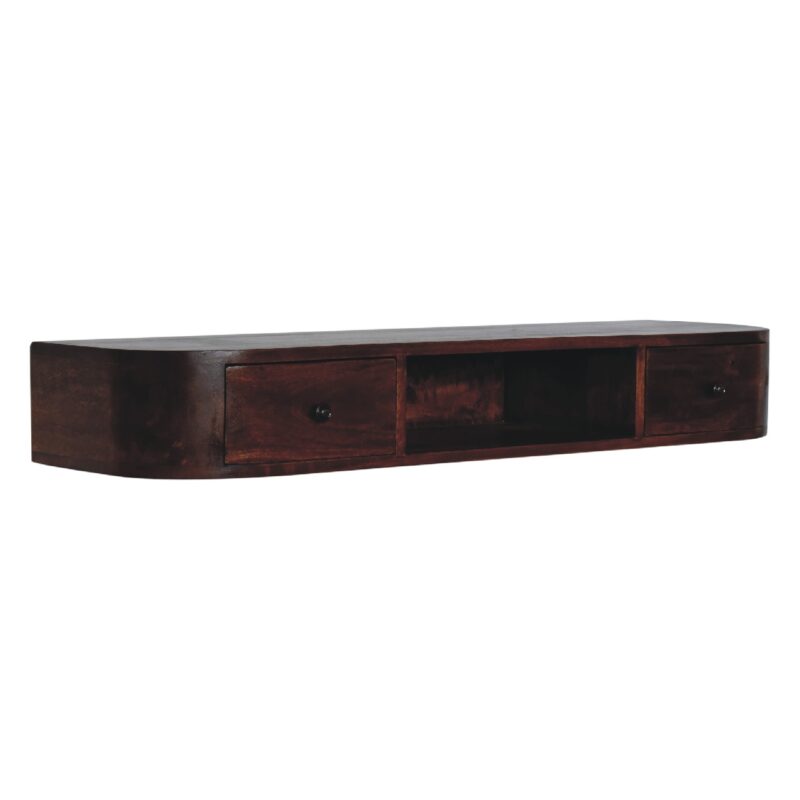
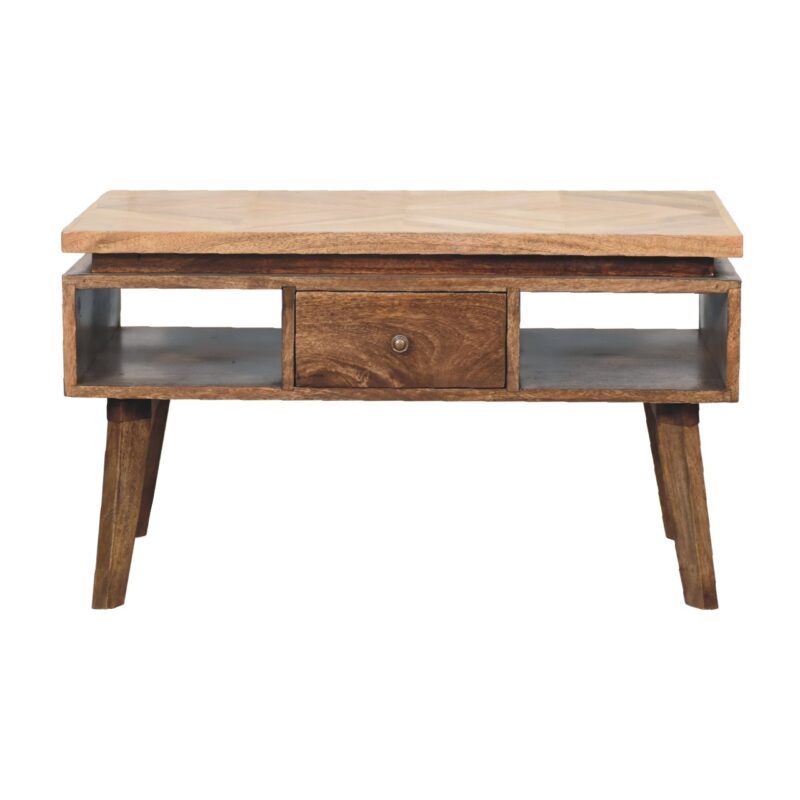
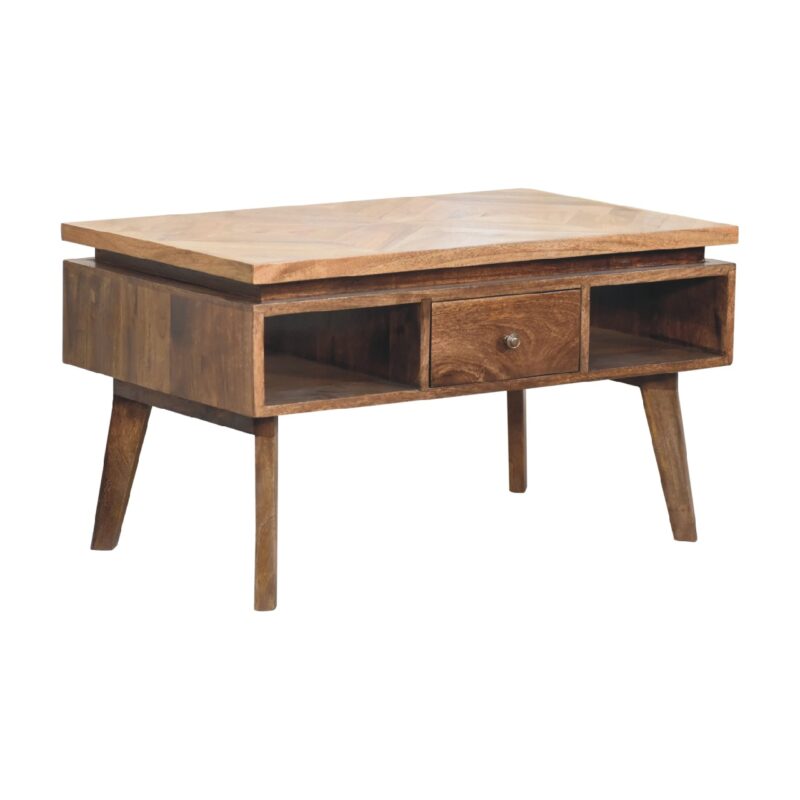
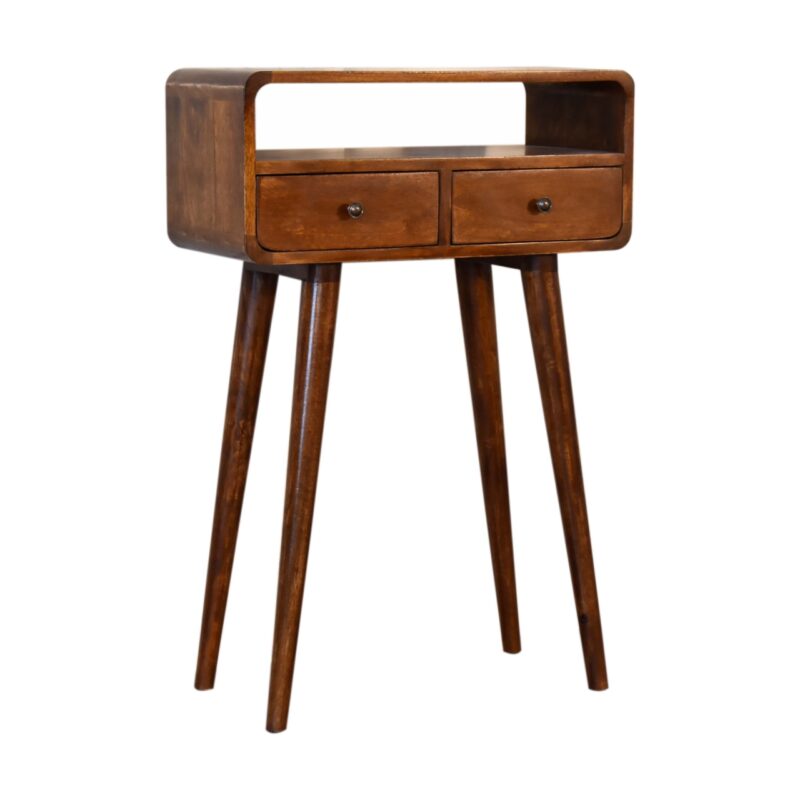
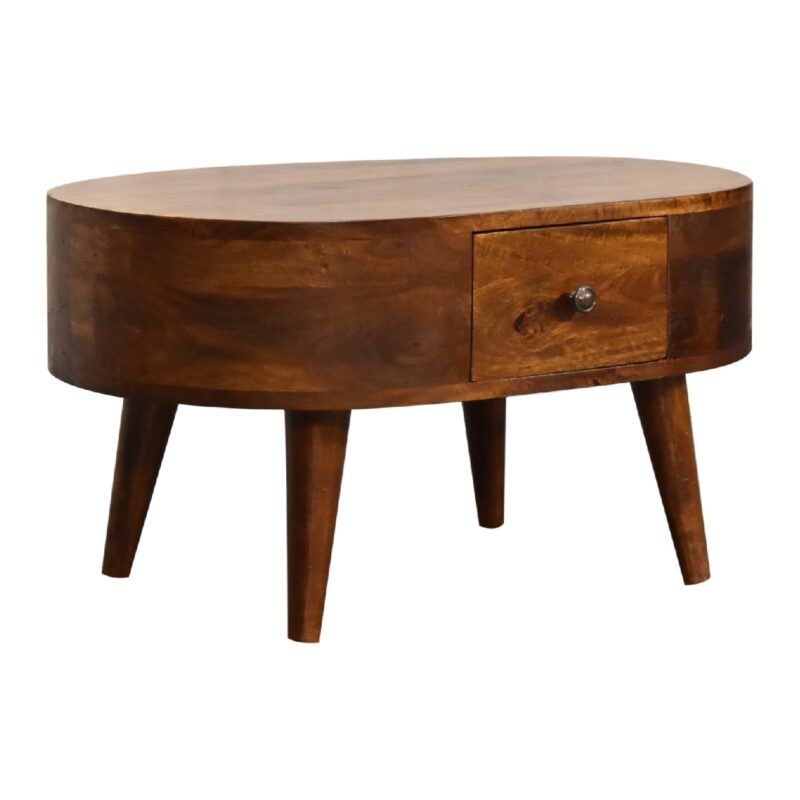
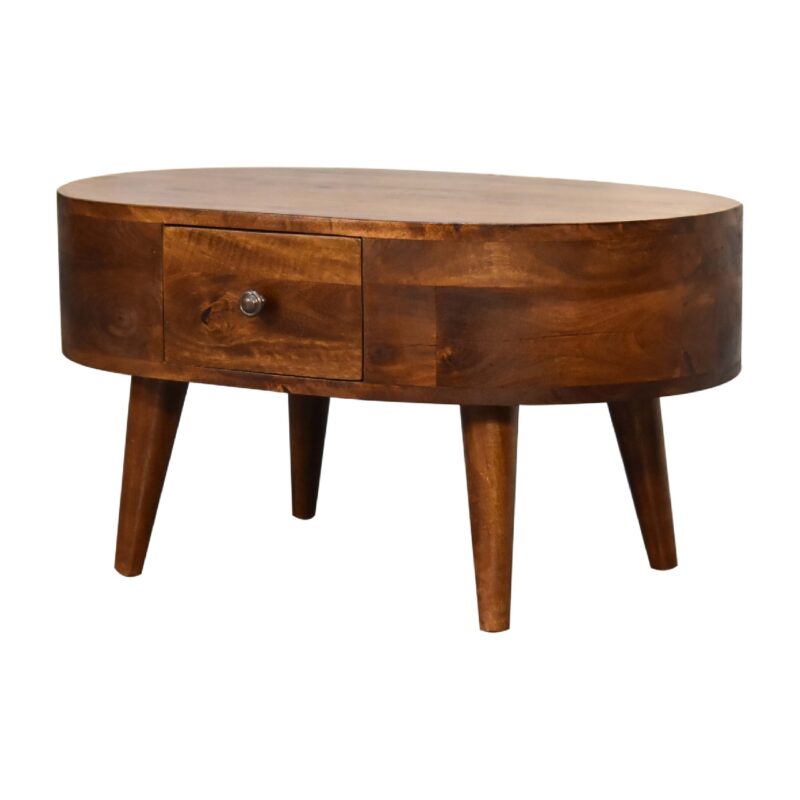
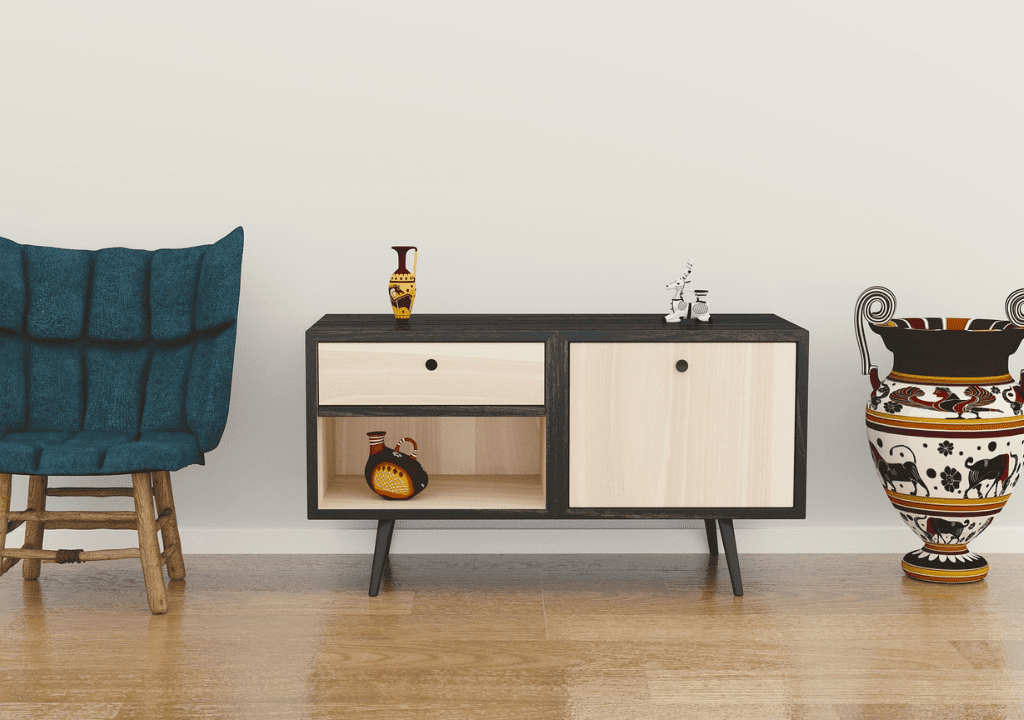
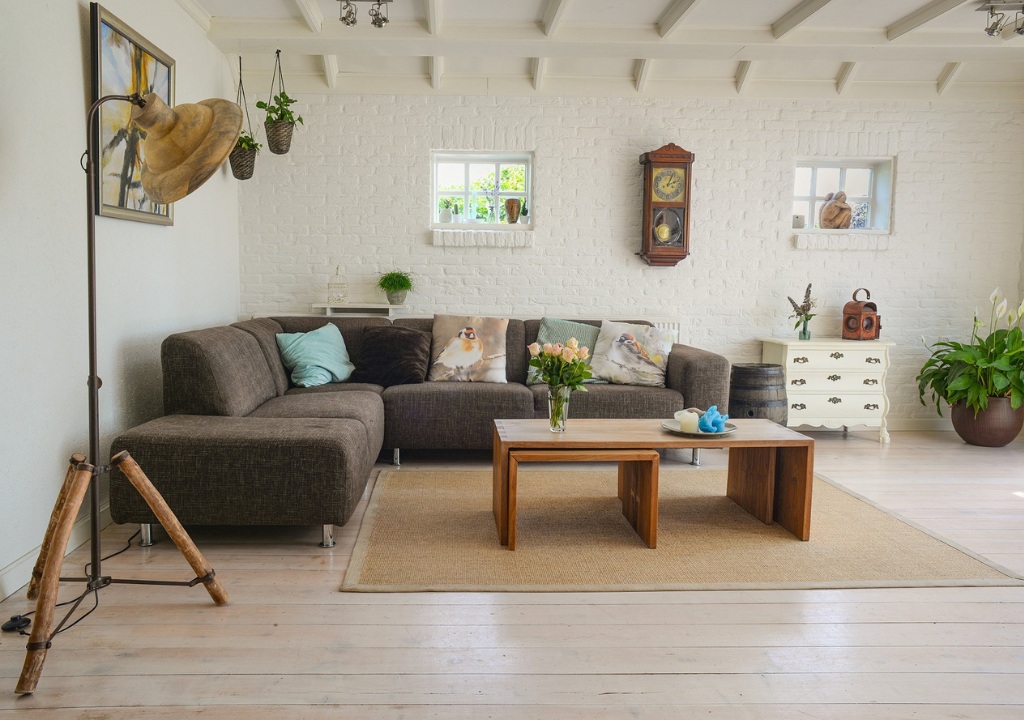
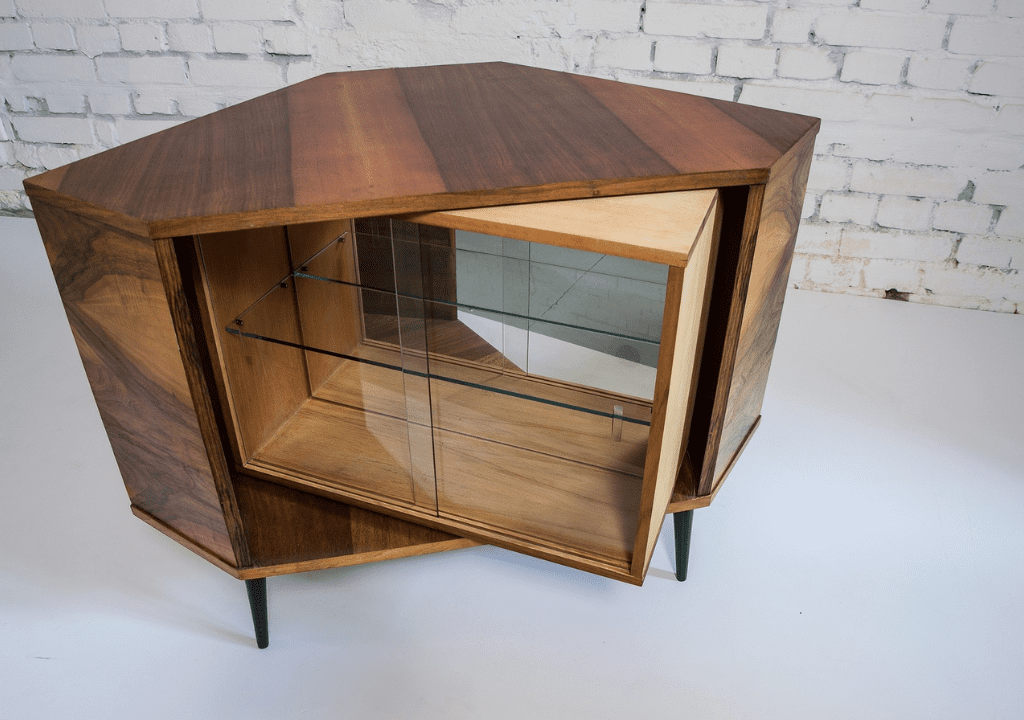
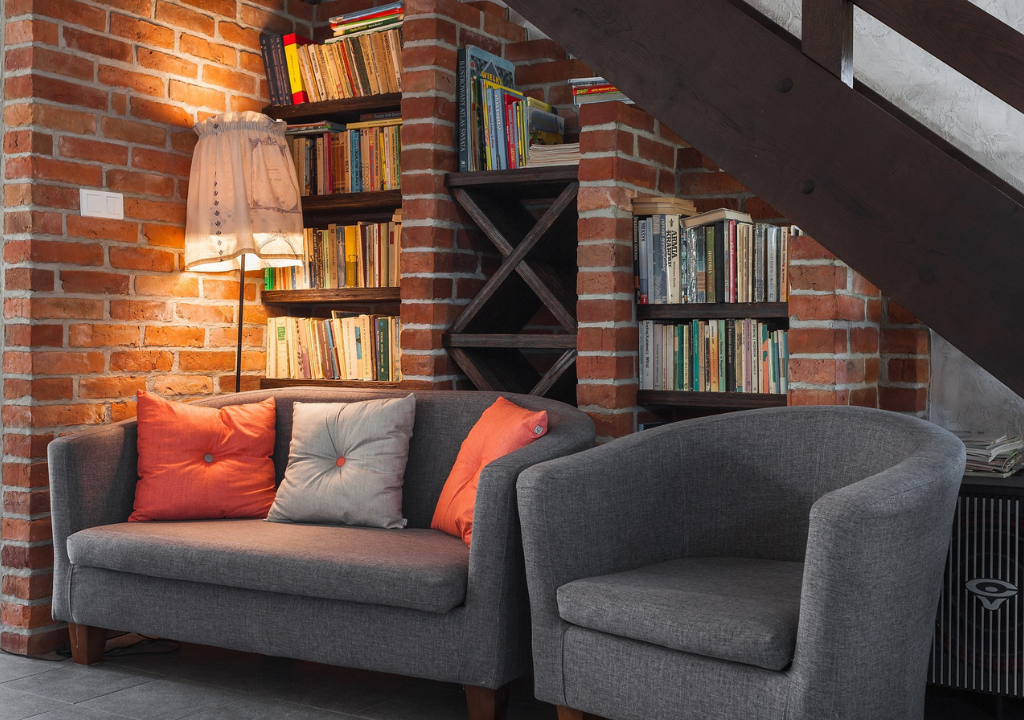
A living space benefits from a few anchor pieces. Consider a low media unit with tidy cable routes; add a compact sideboard for glassware and board games; then finish with a coffee table that balances surface area and walkways. Because consistent finishes calm a room, repeat one tone—oak, black, or matte white—across the set for a cohesive scheme.
Dining and small‑space solutions
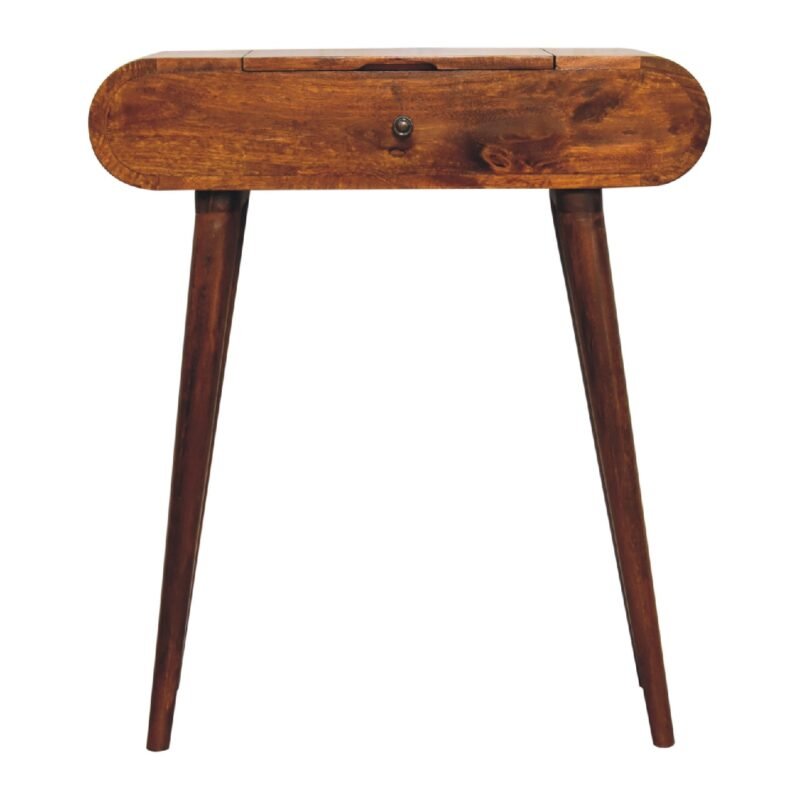
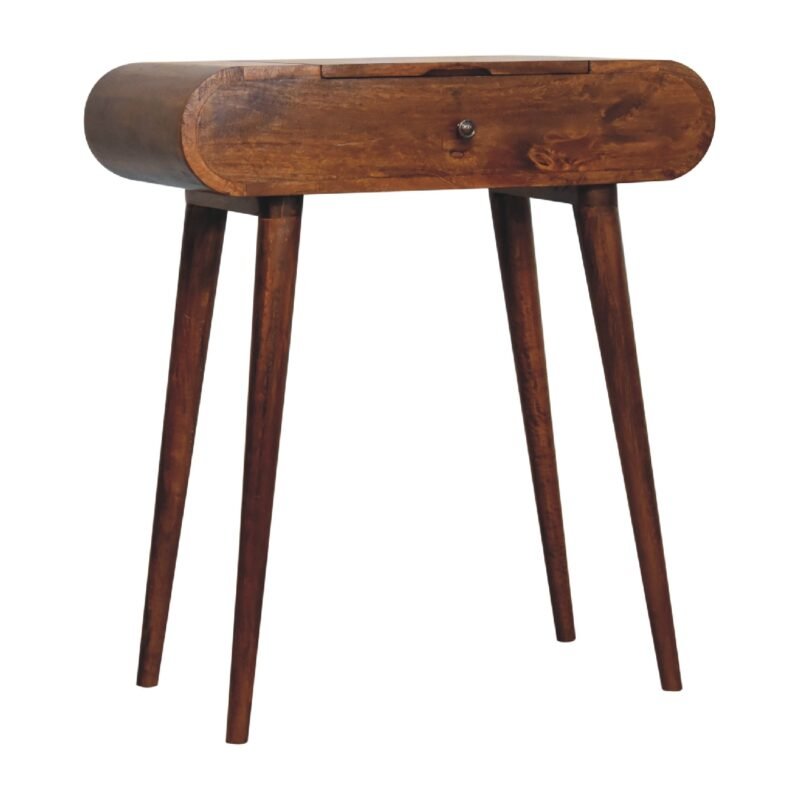
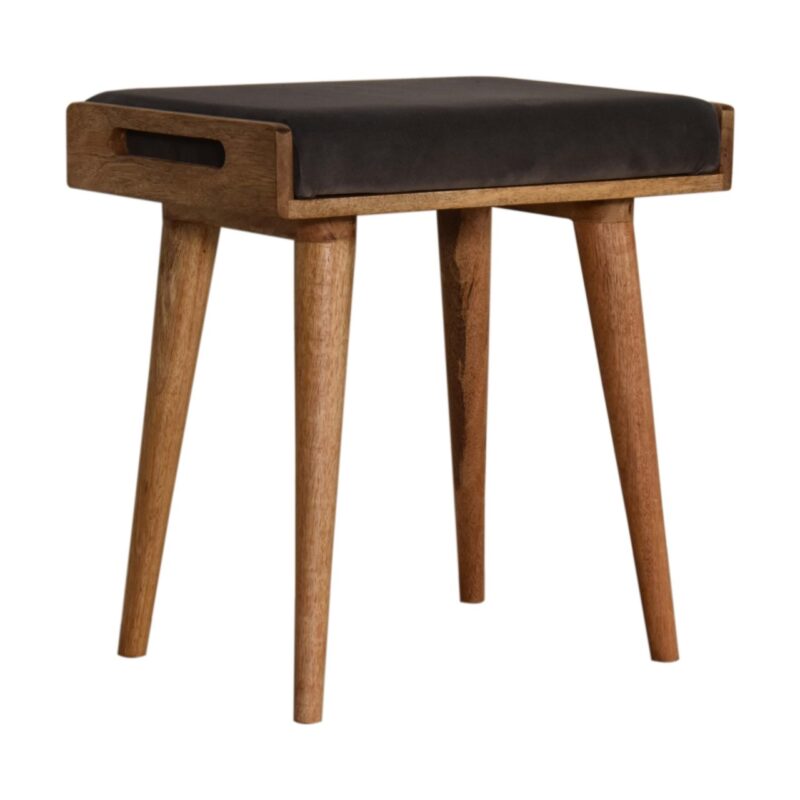
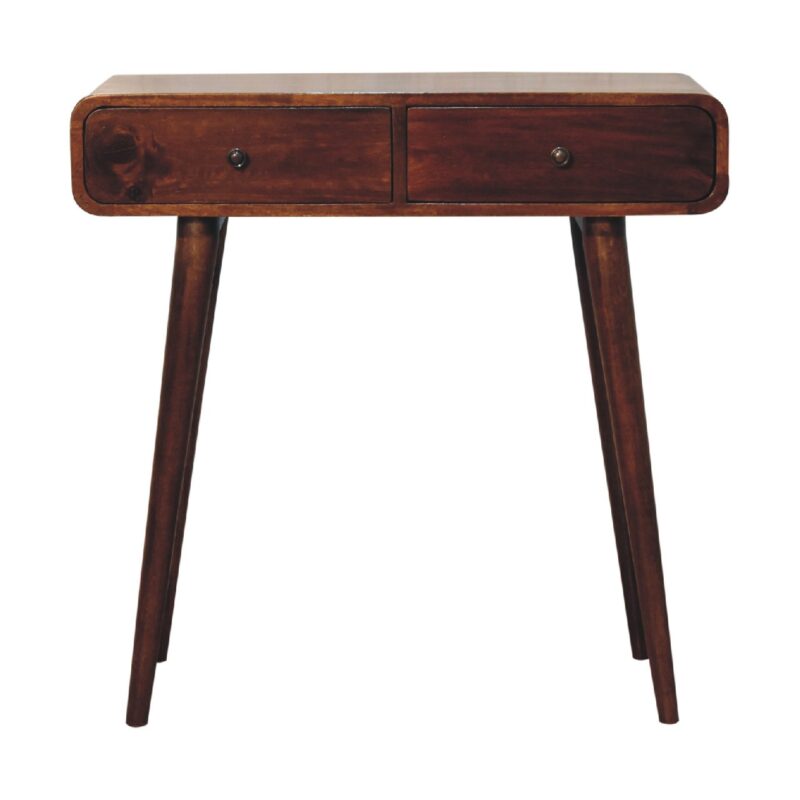
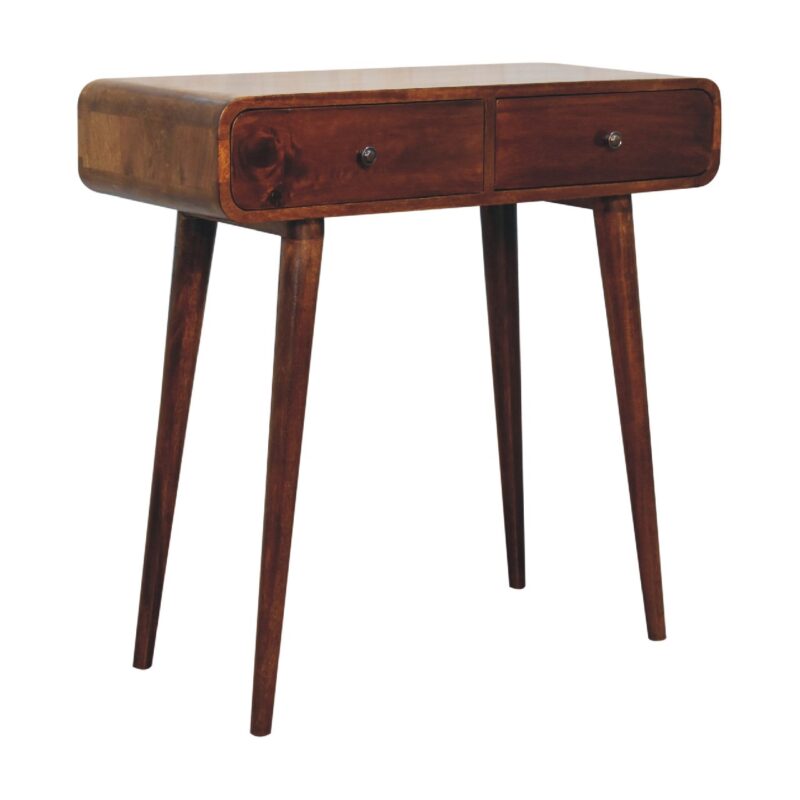
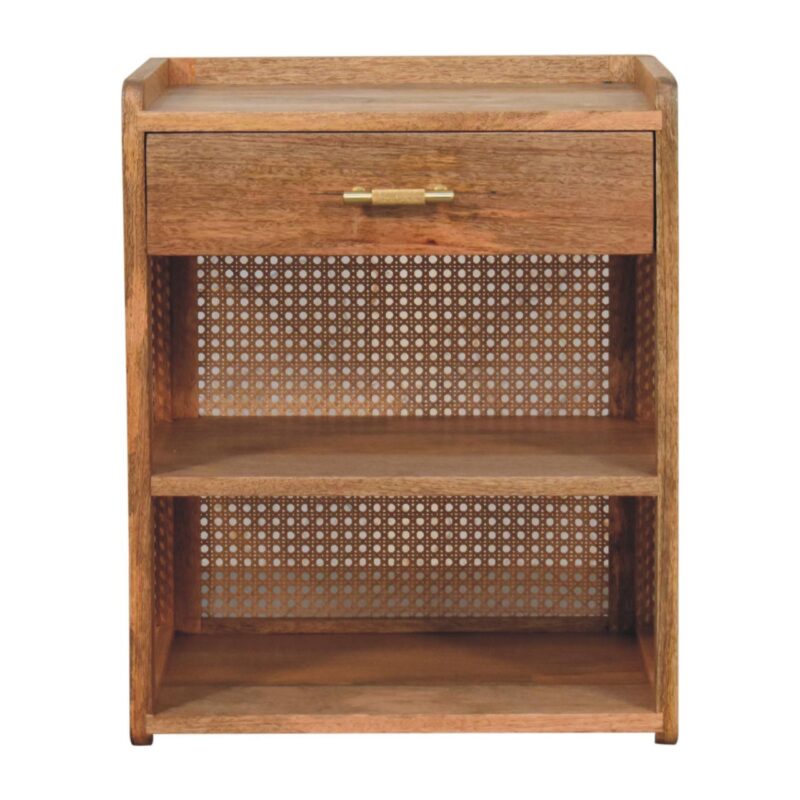
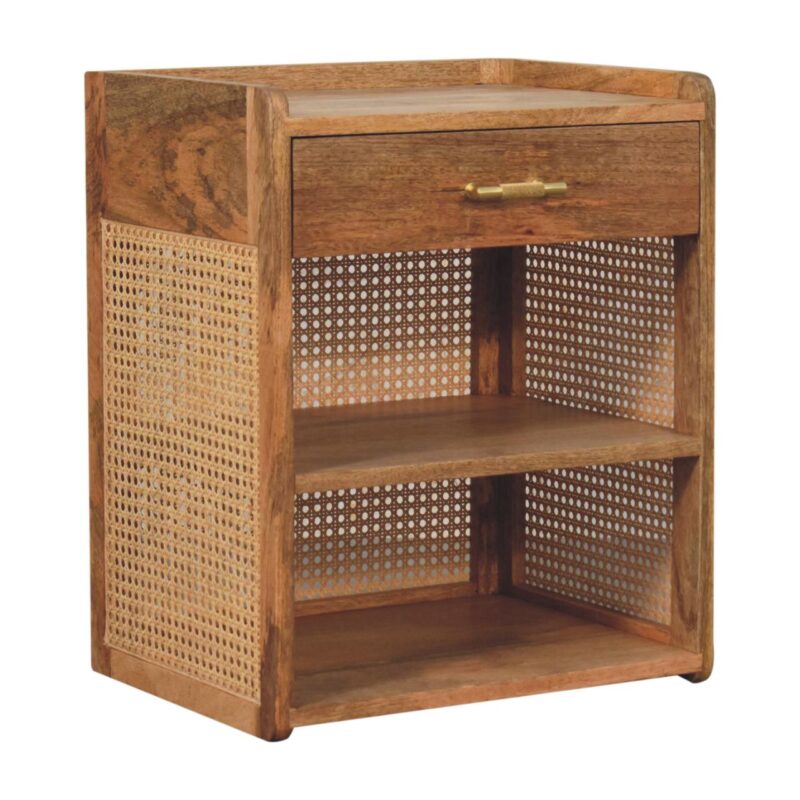
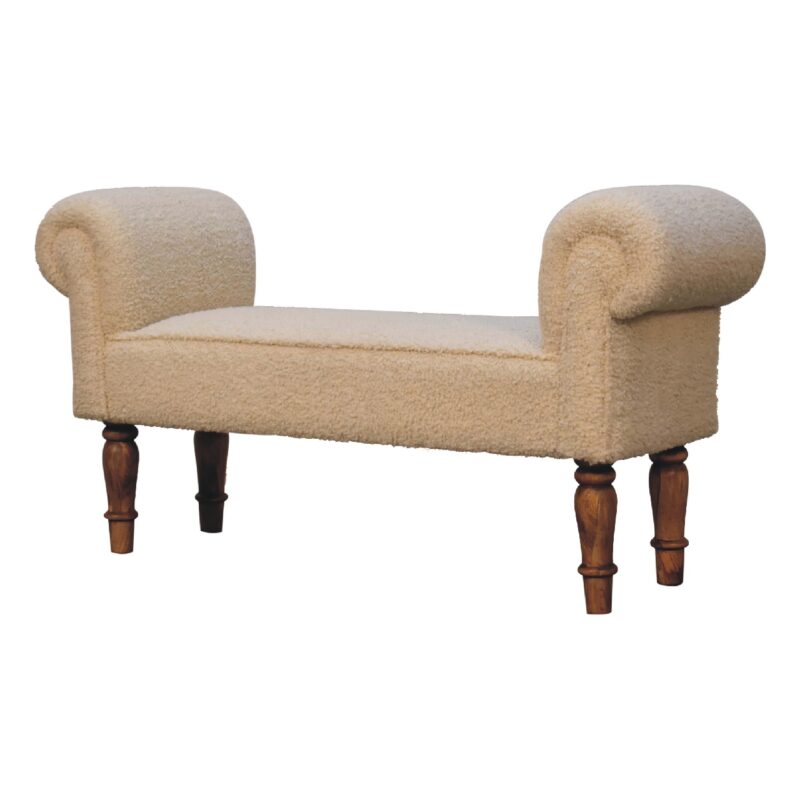
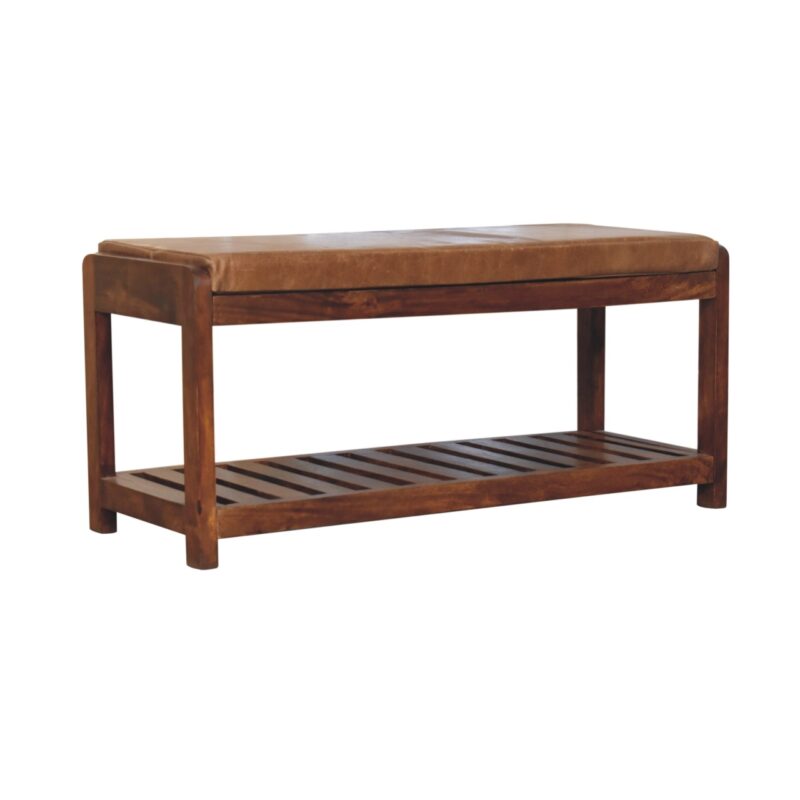
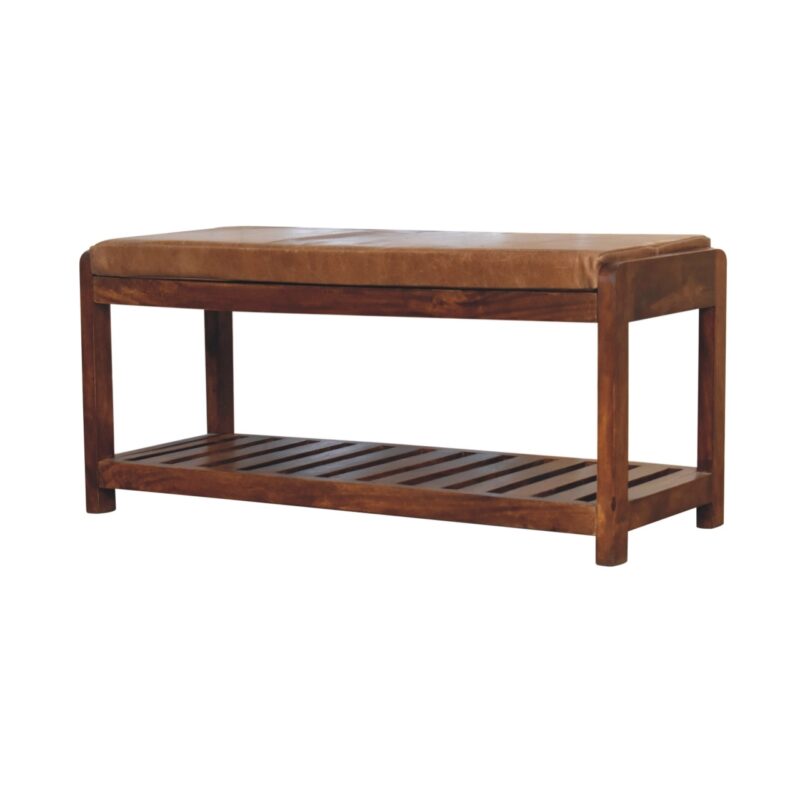
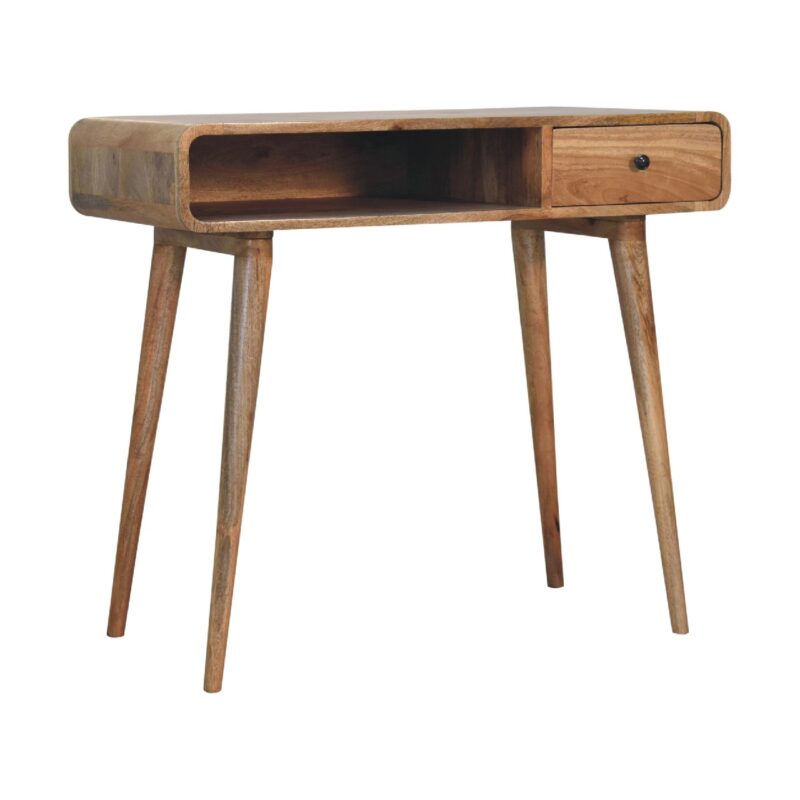
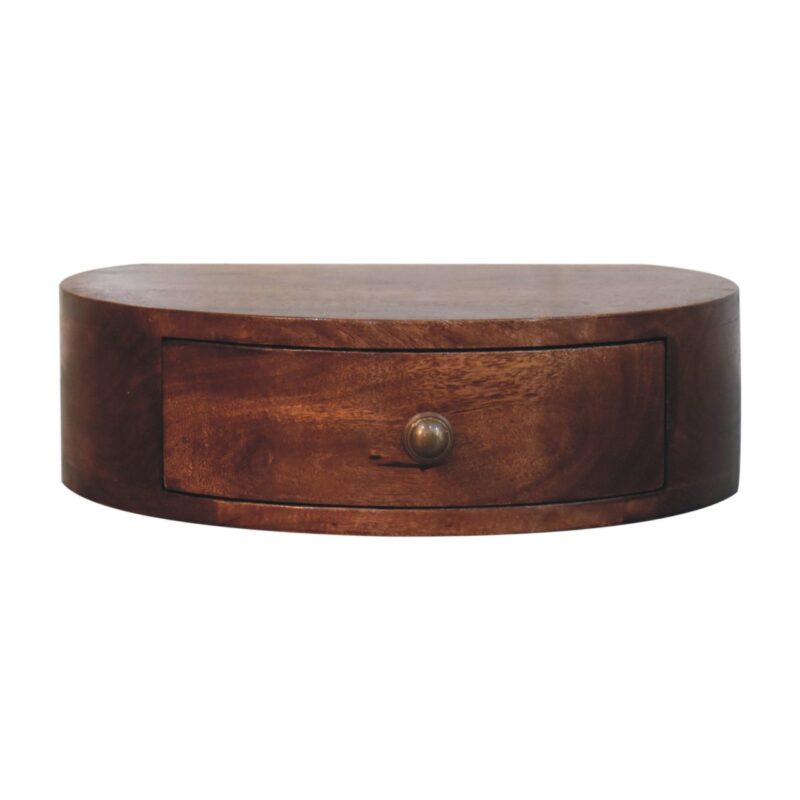
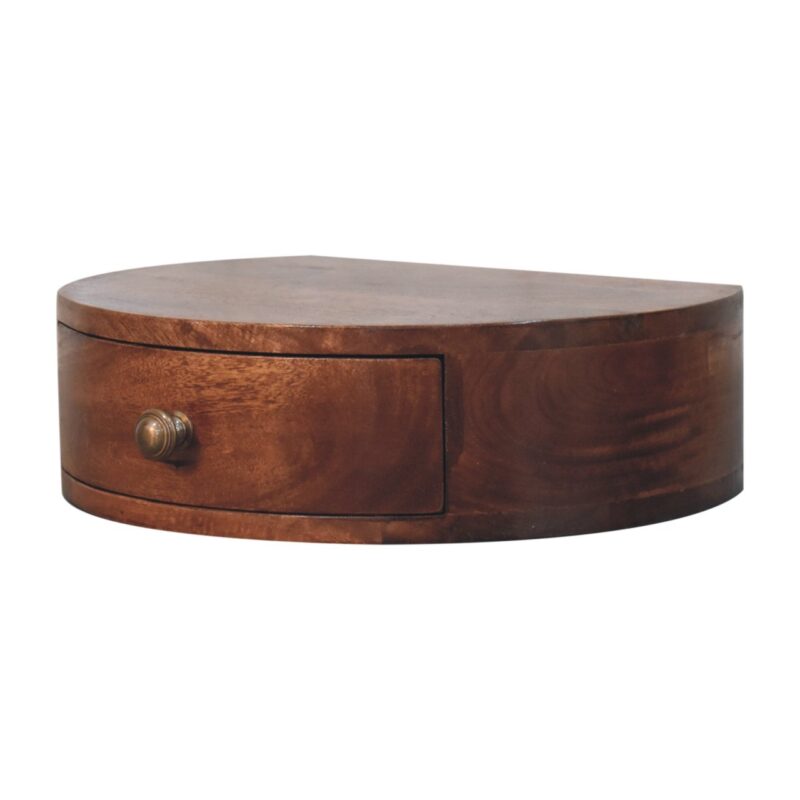
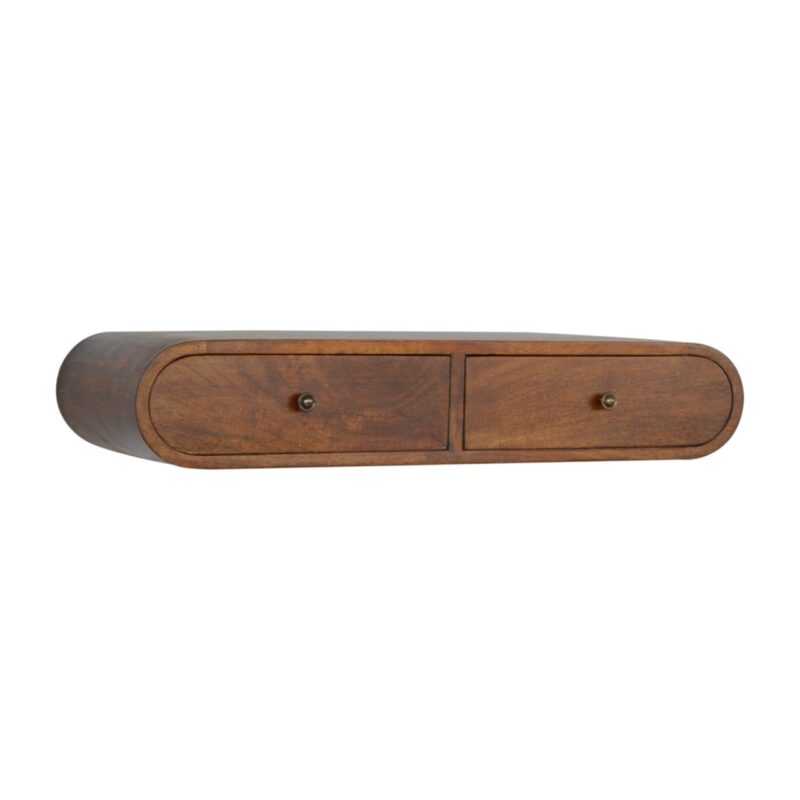
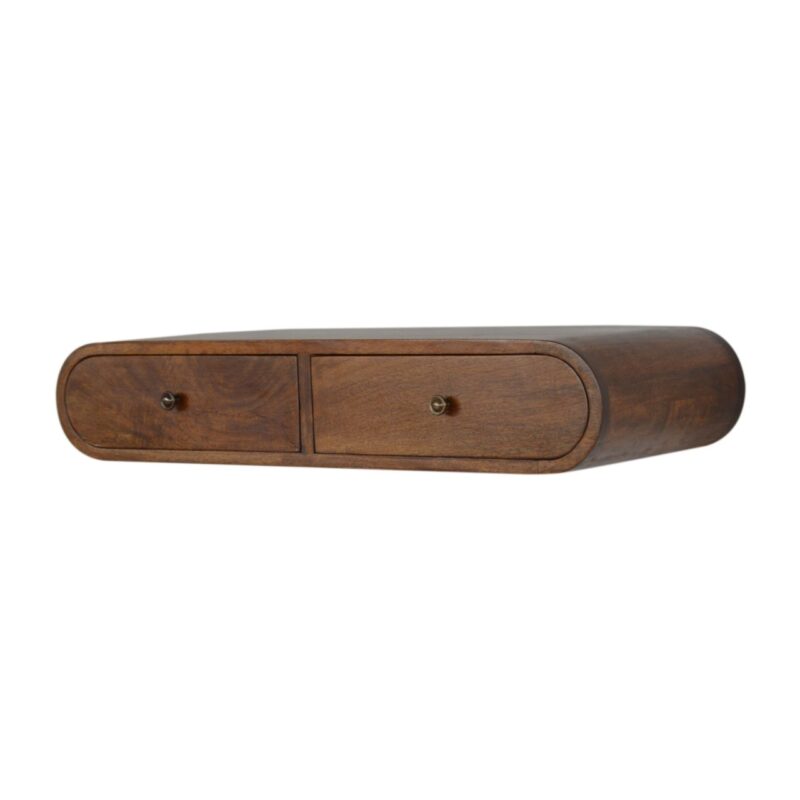
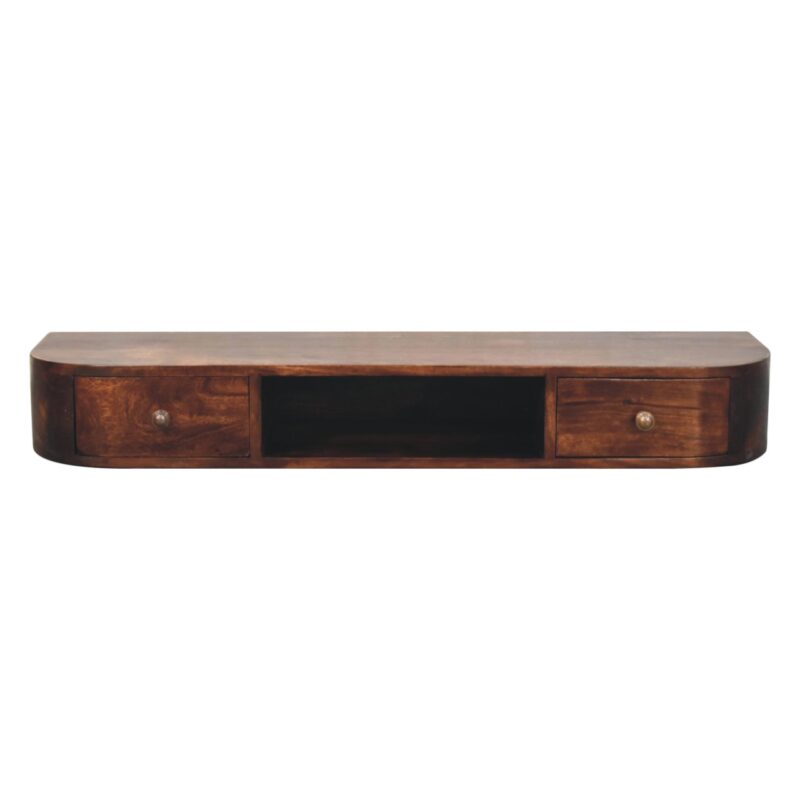
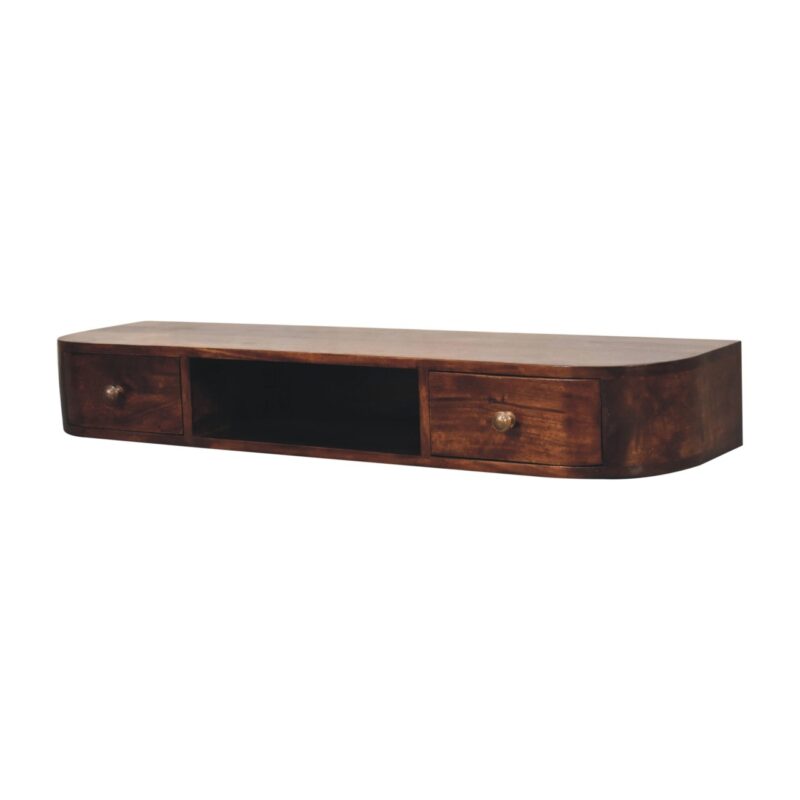
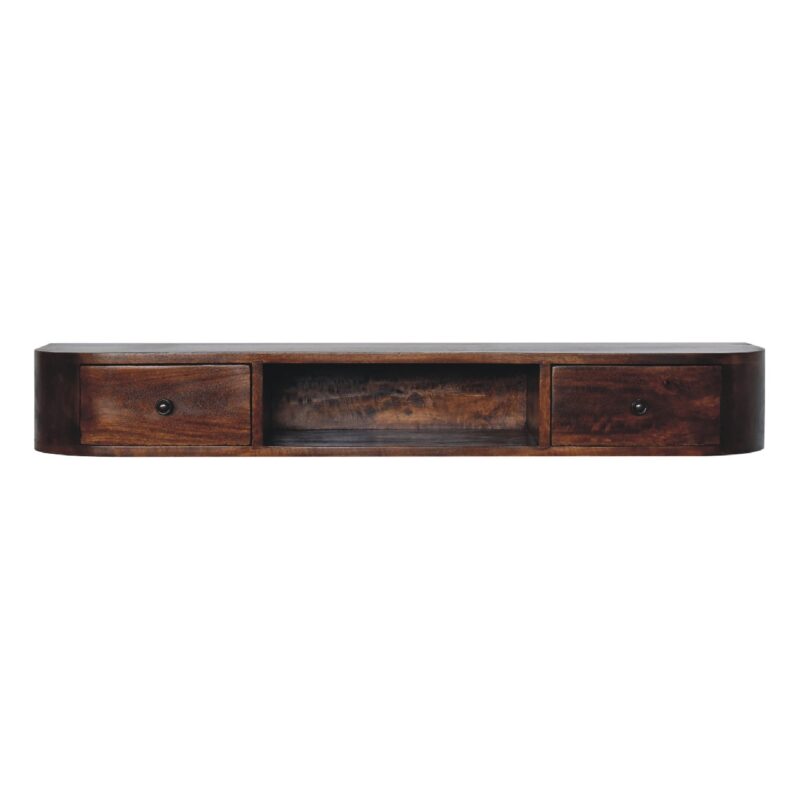
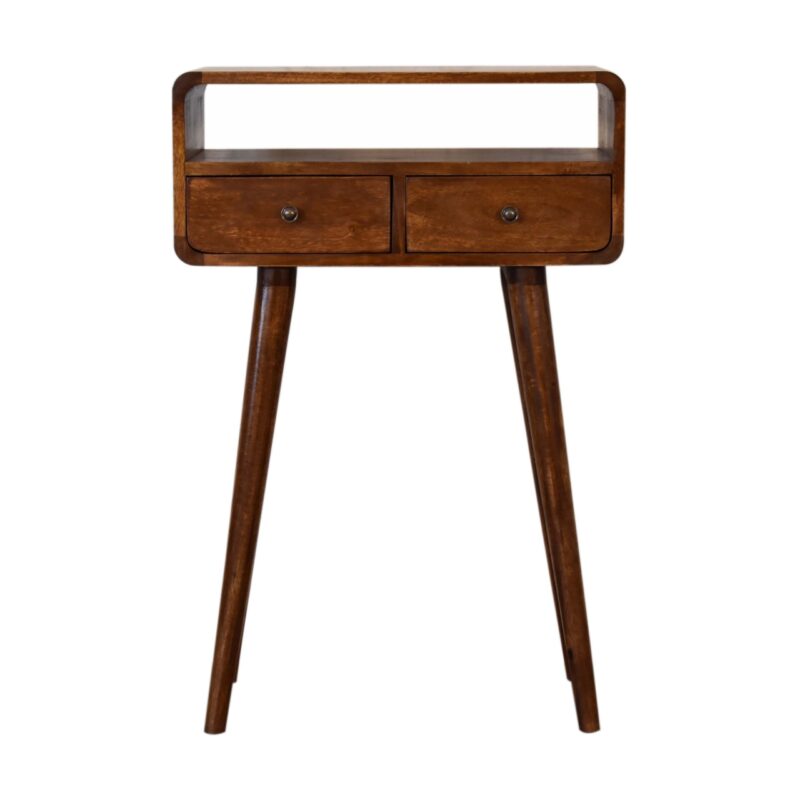
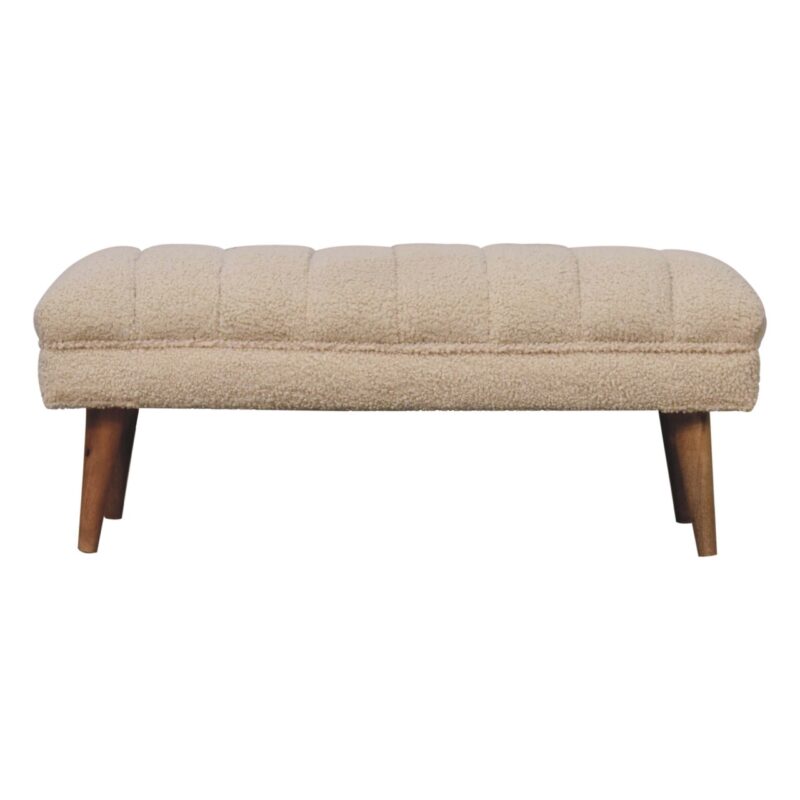
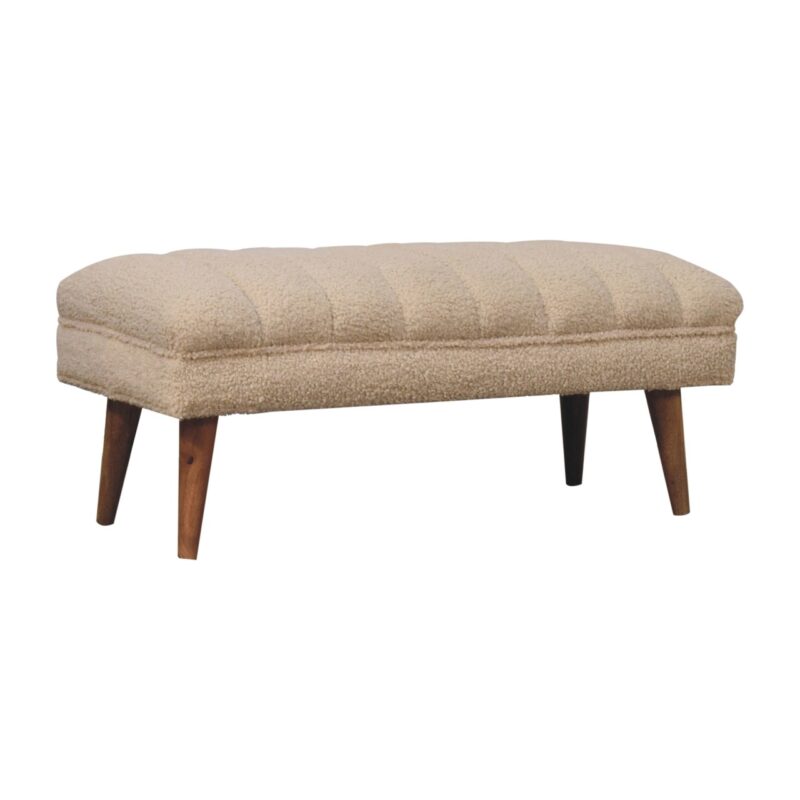
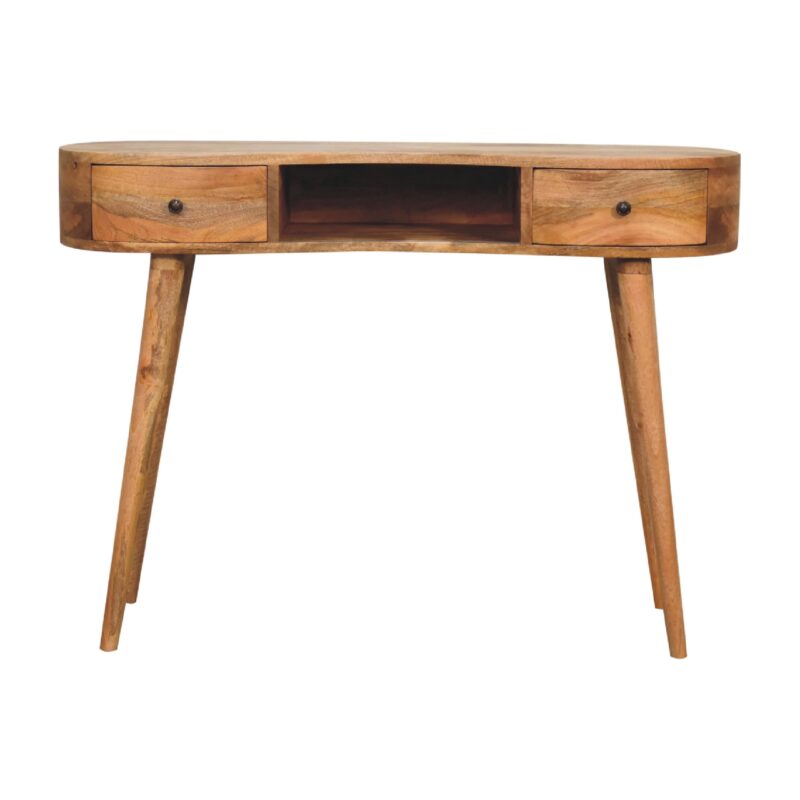
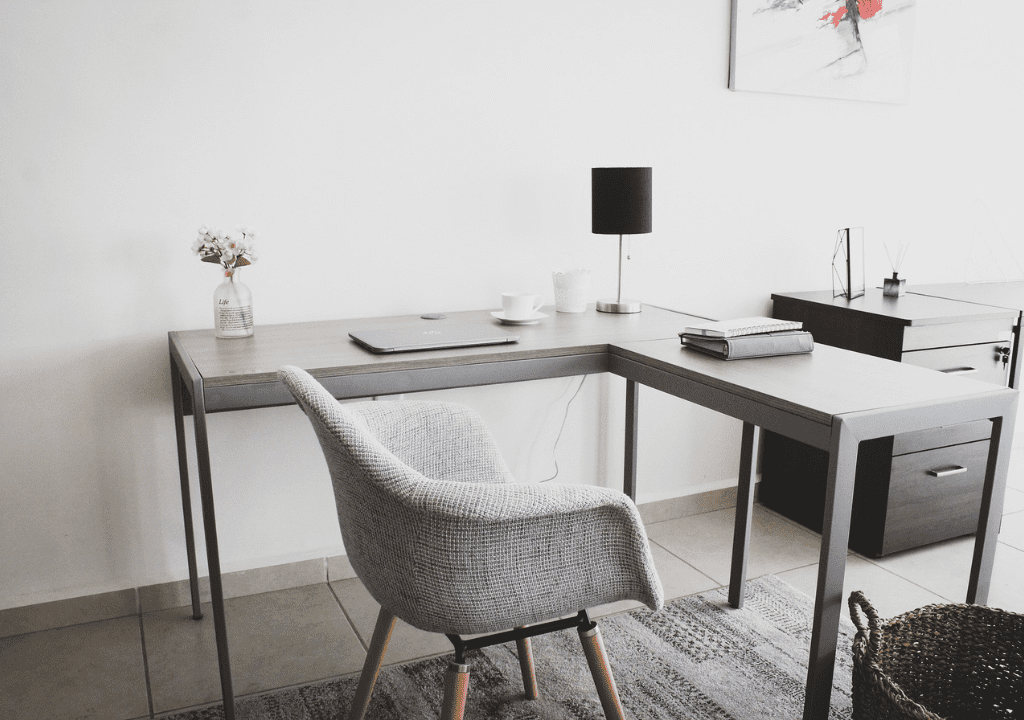
Entertaining requires smart proportions. Extendable tables in solid wood handle guests without dominating weekdays, while benches tuck neatly under the top. Additionally, a narrow console or wall shelf can double as a serving station in tight kitchens, proving that hand‑crafted furniture suits compact homes as well as open‑plan spaces.
Bedrooms with character
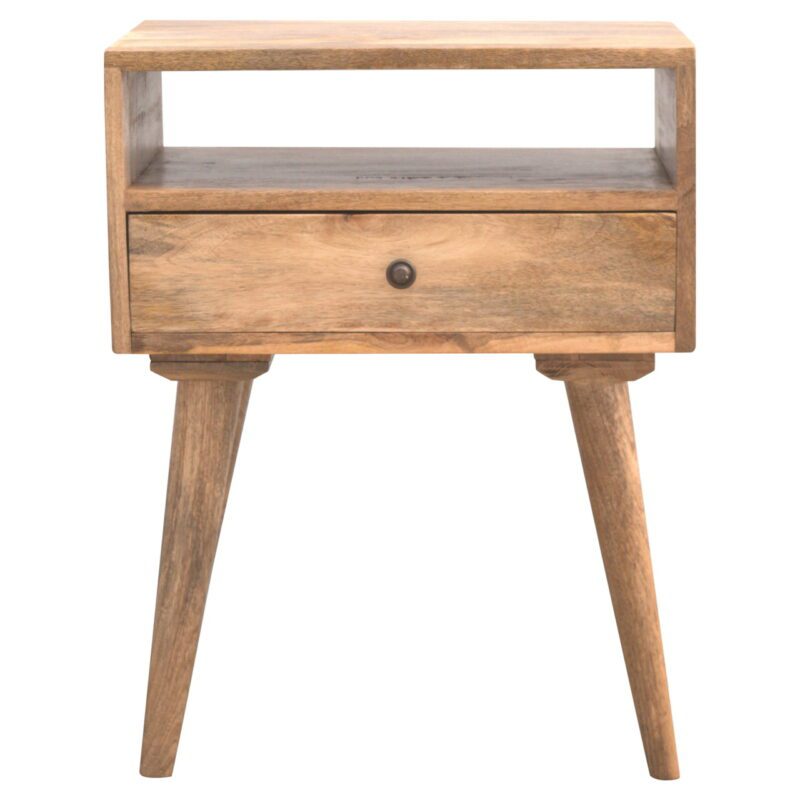
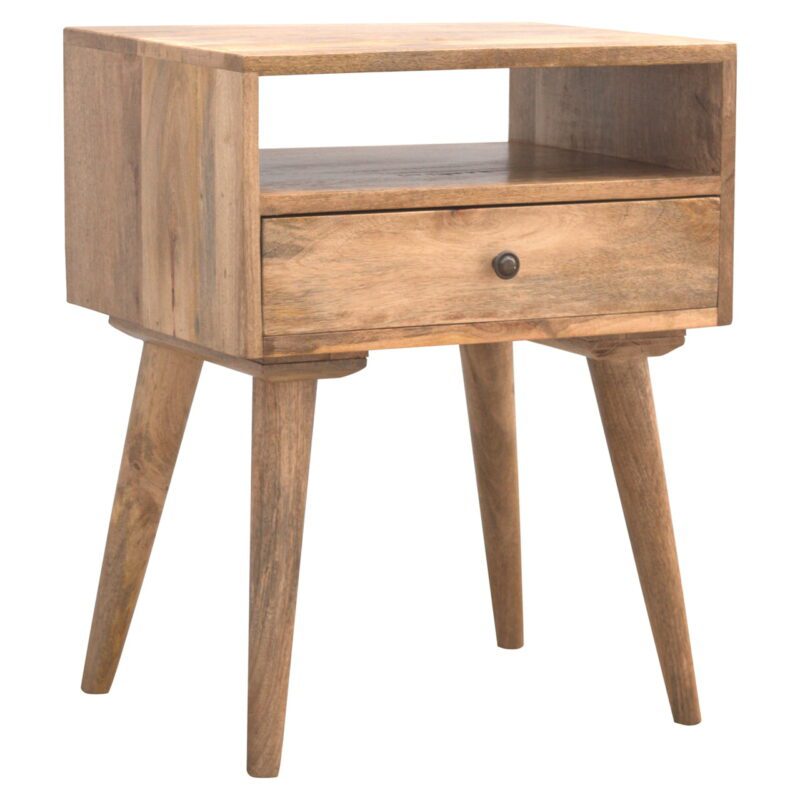
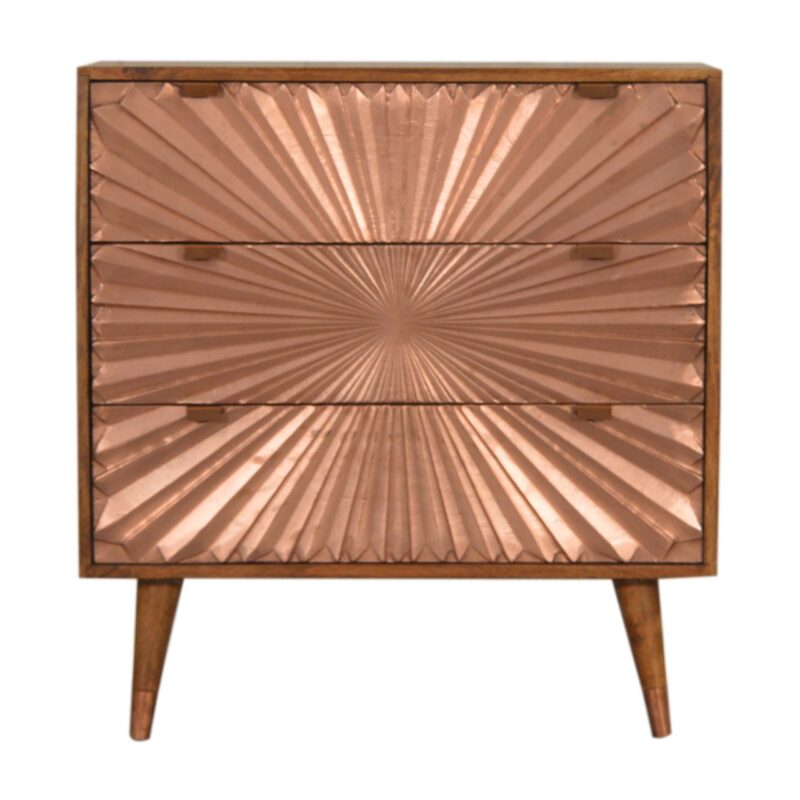
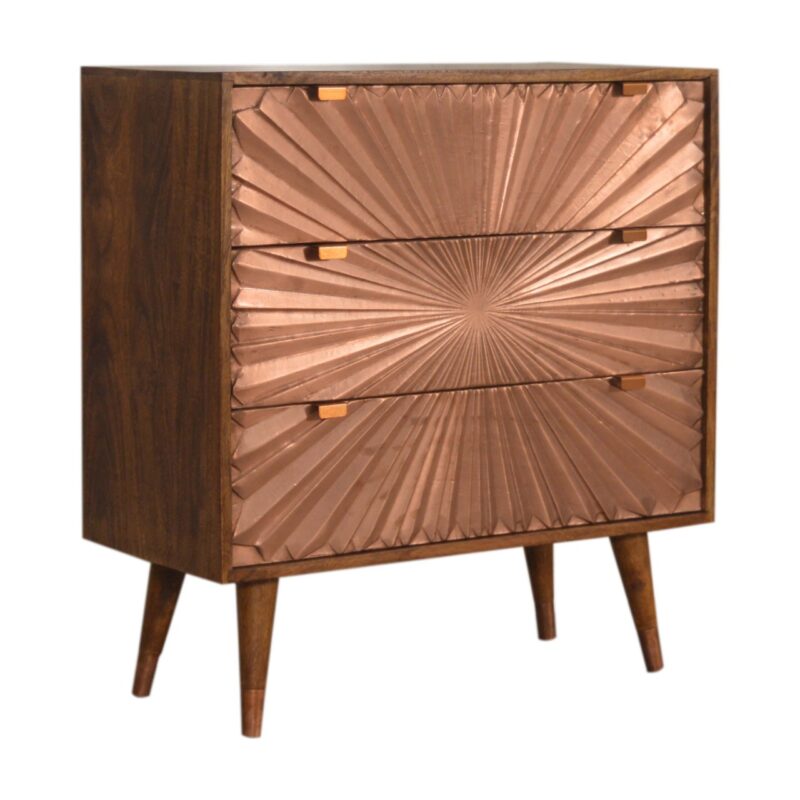
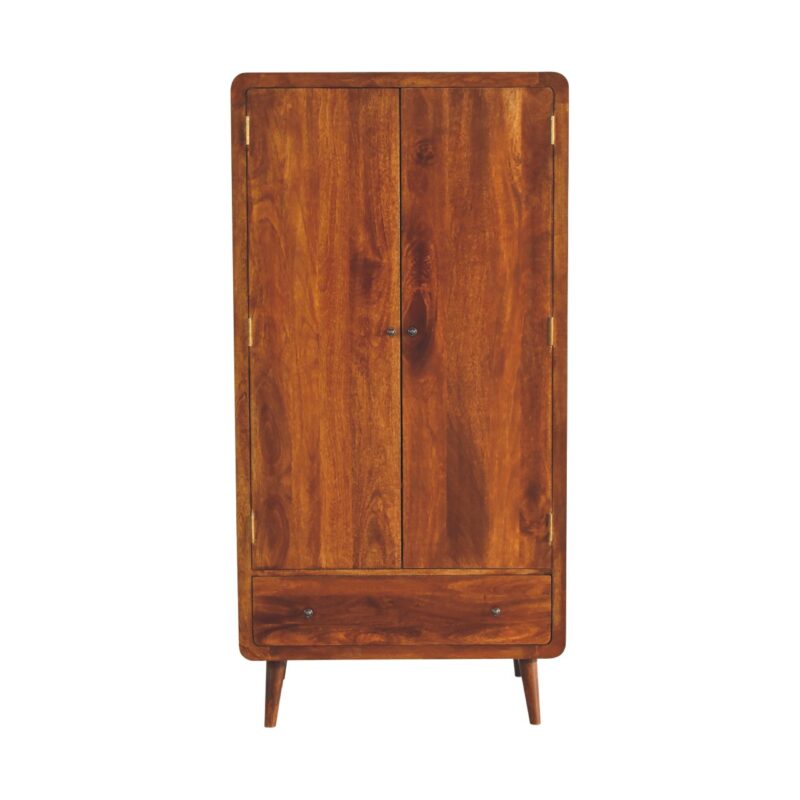
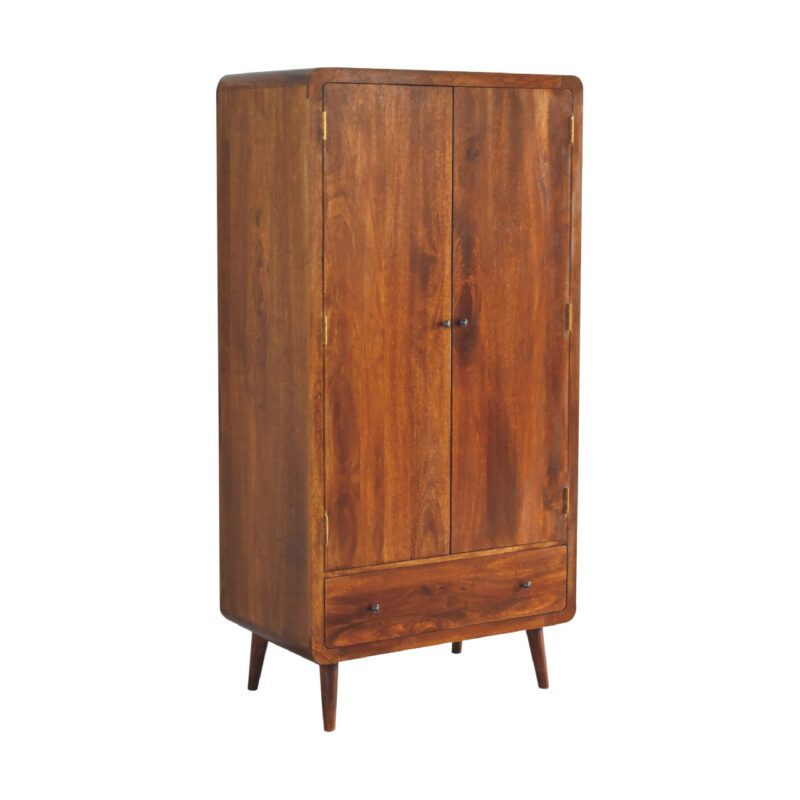
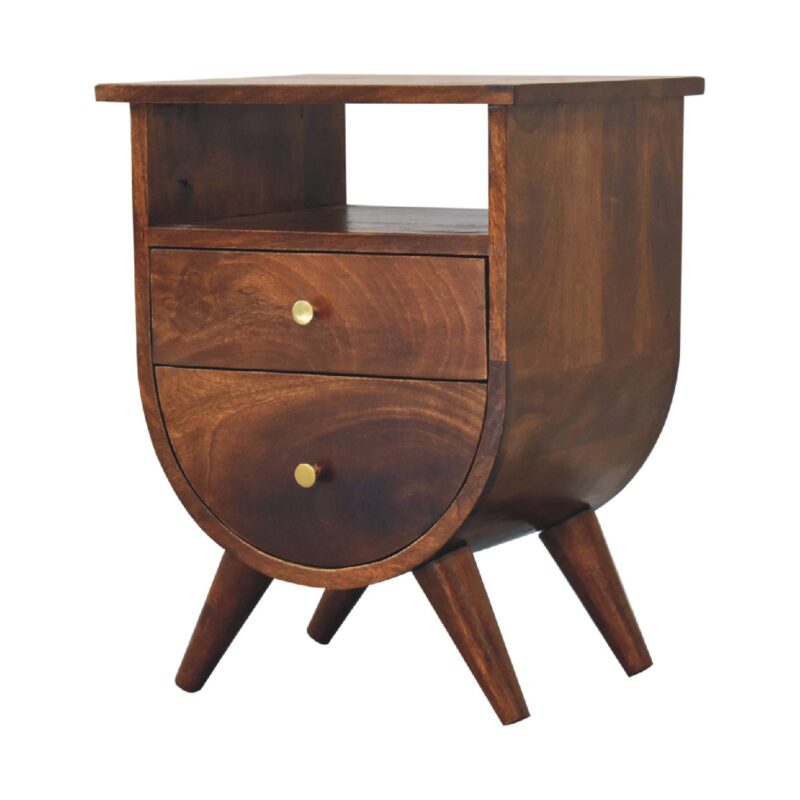
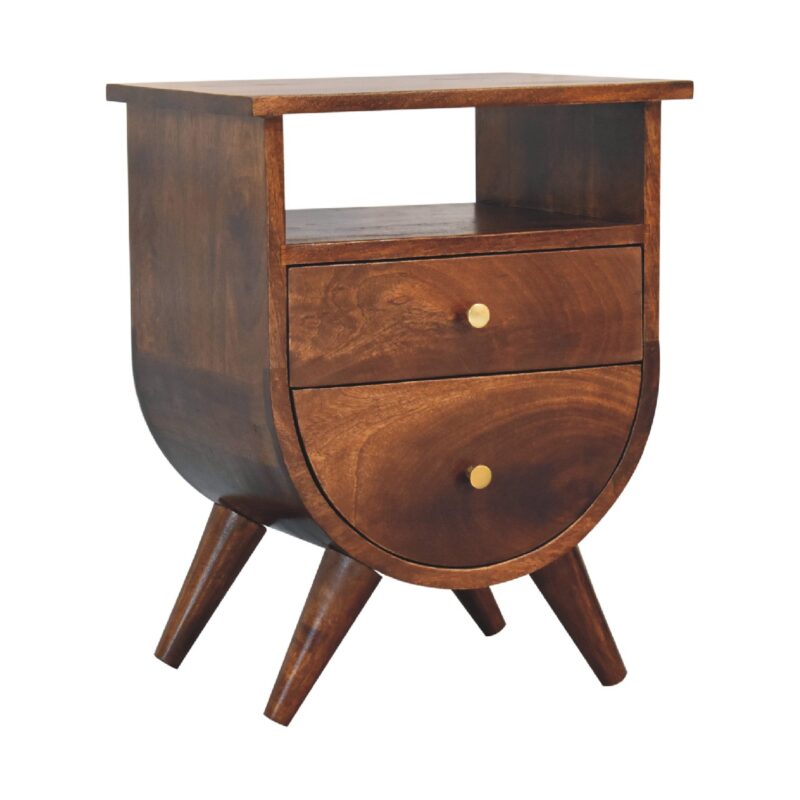
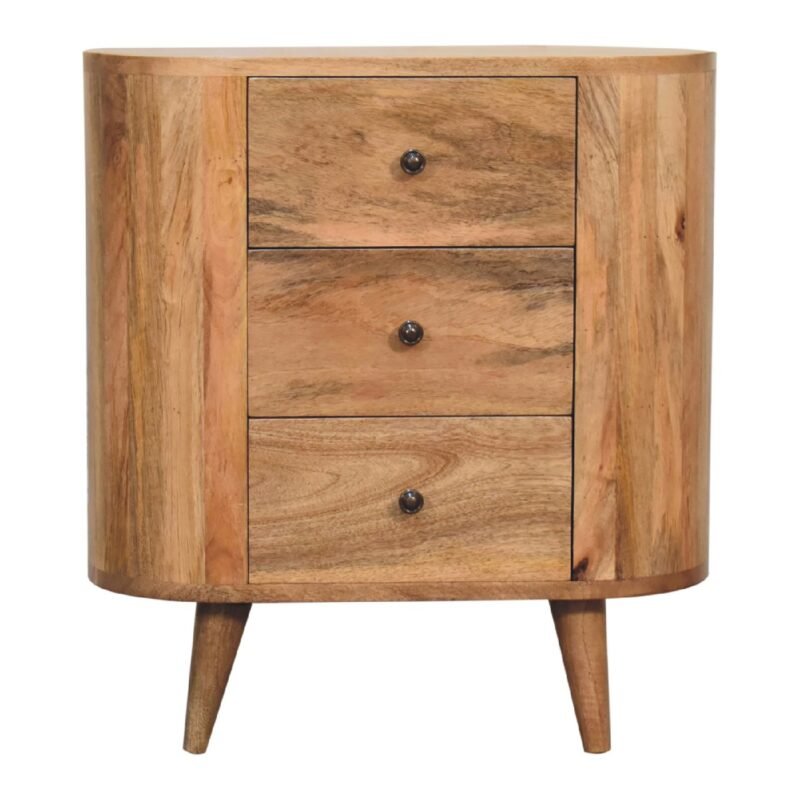
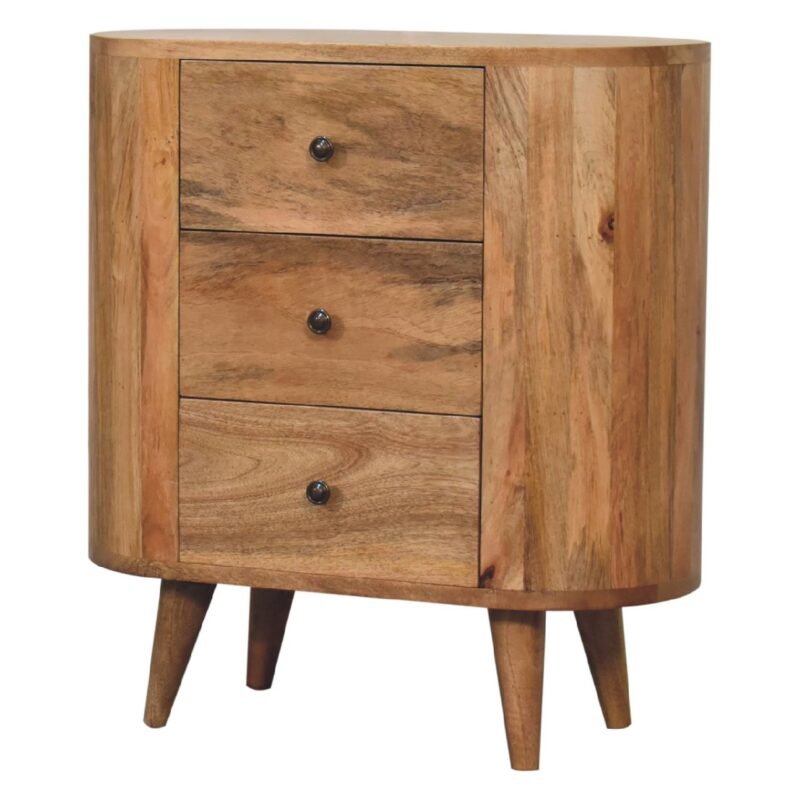
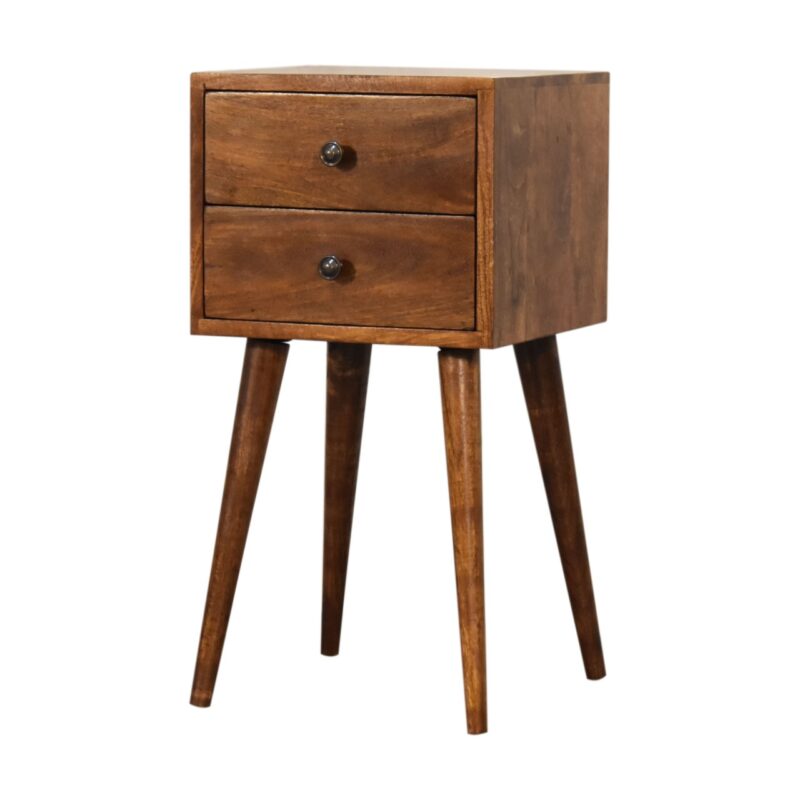
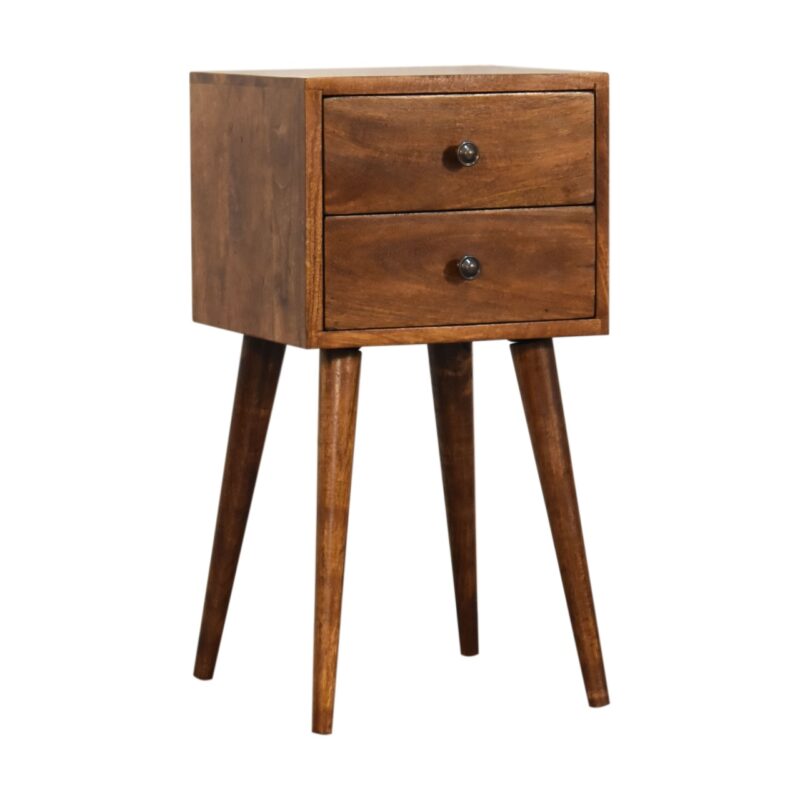
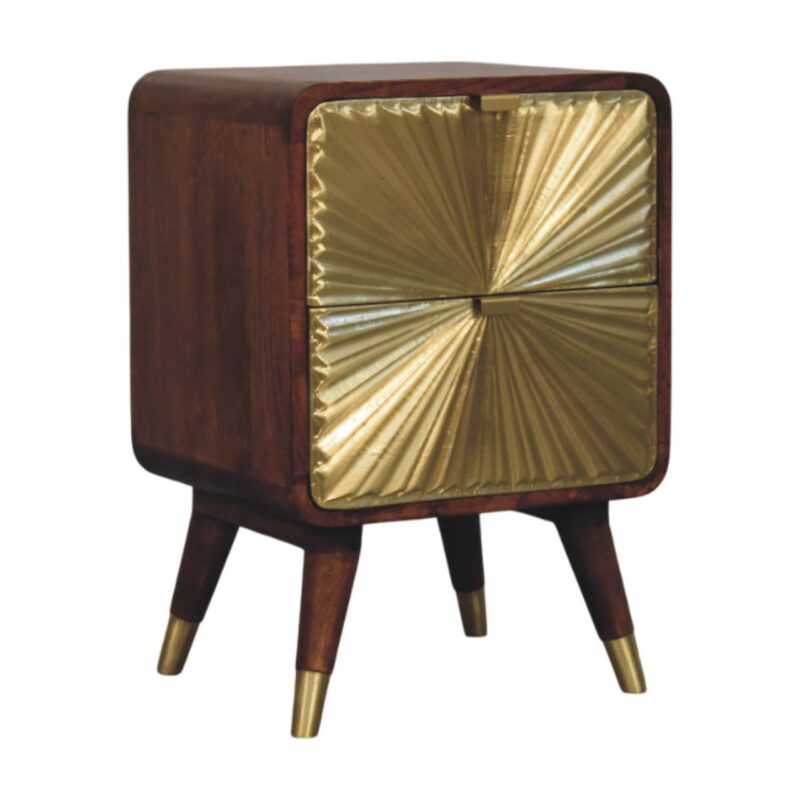
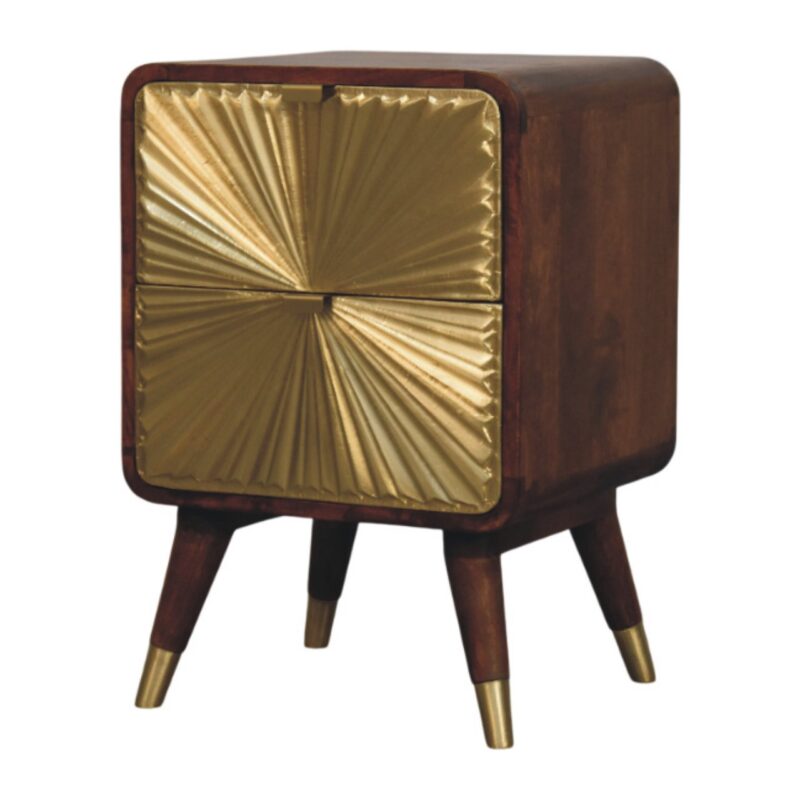
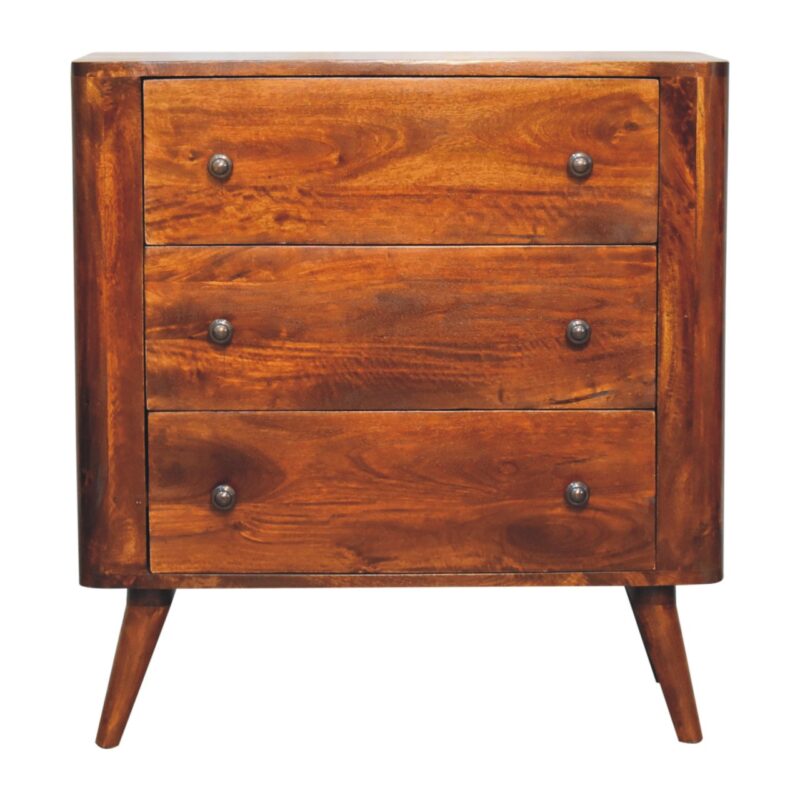
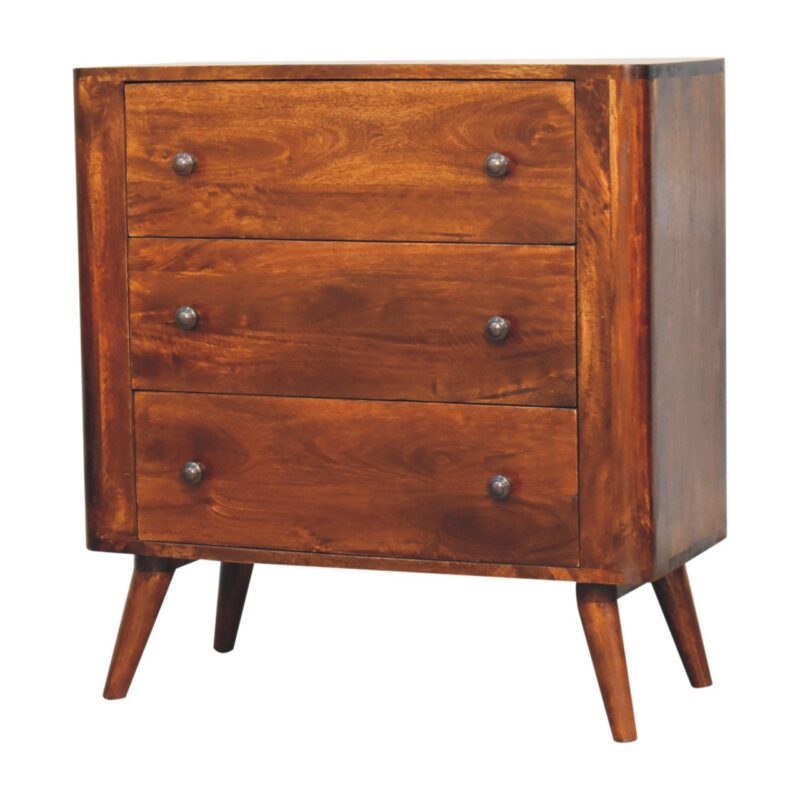
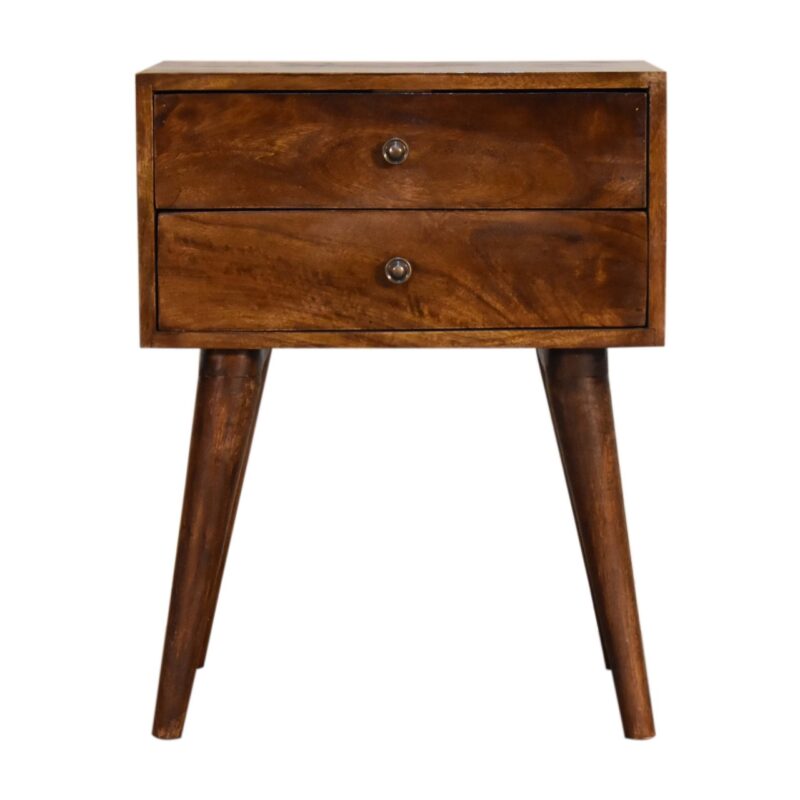
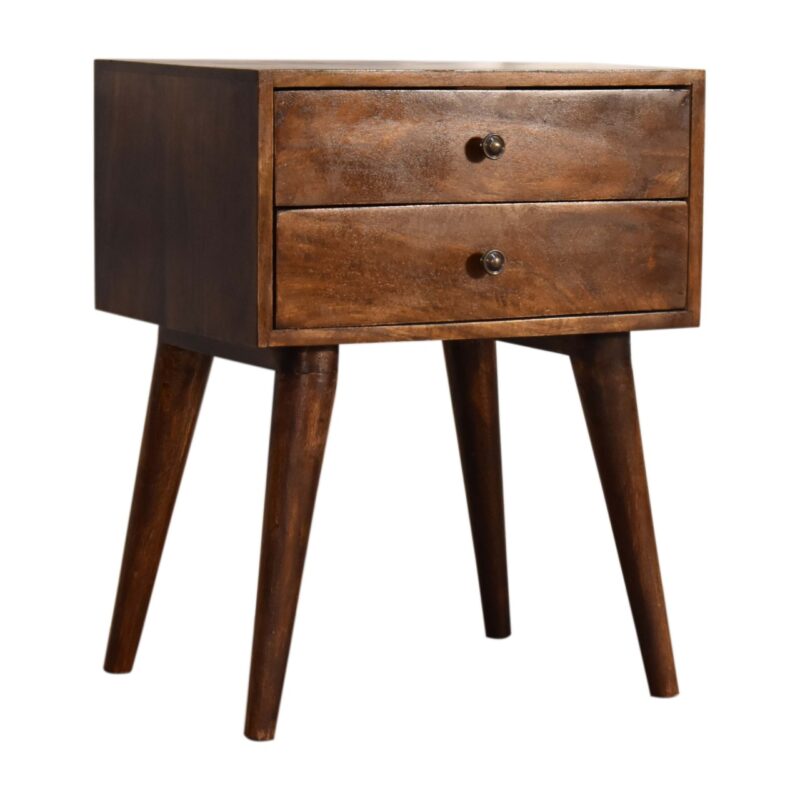
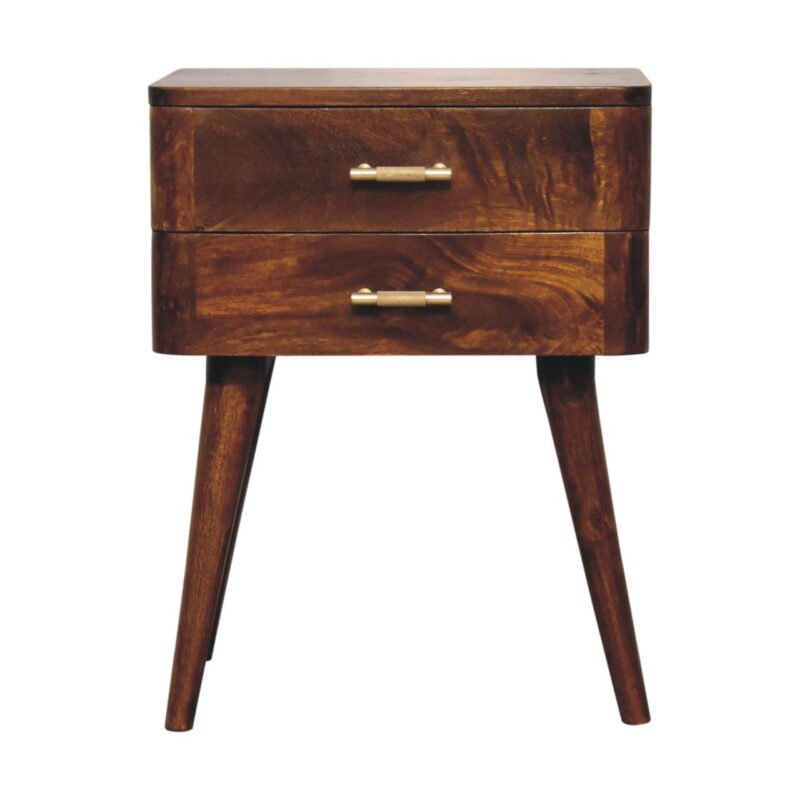
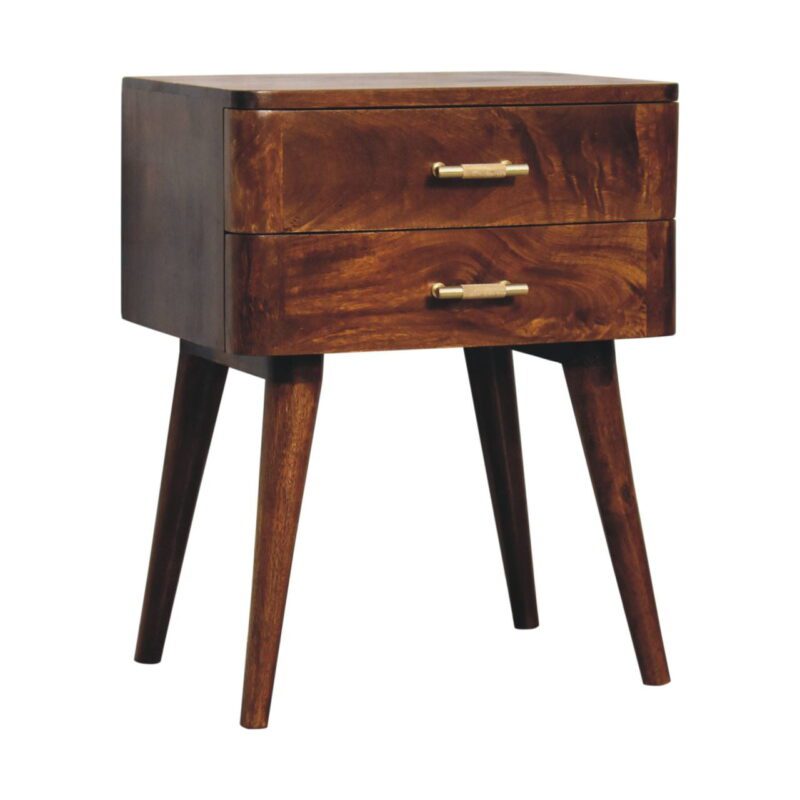
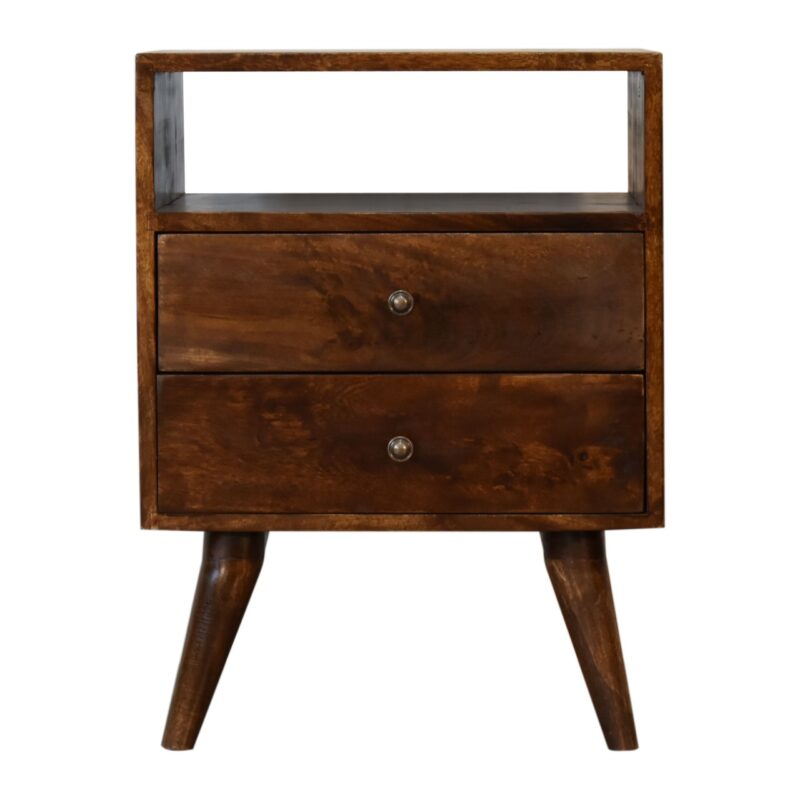
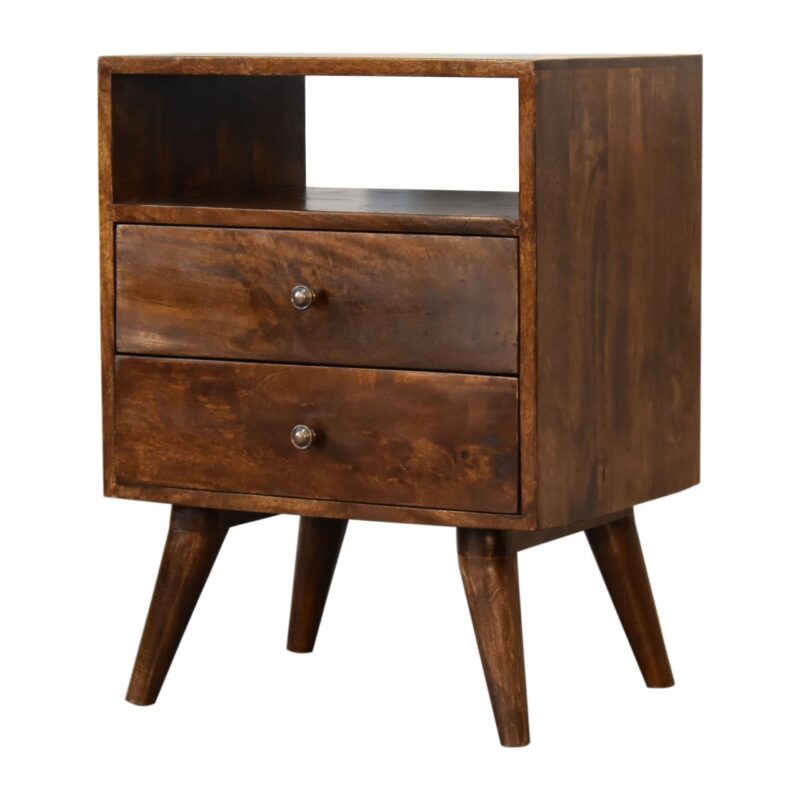
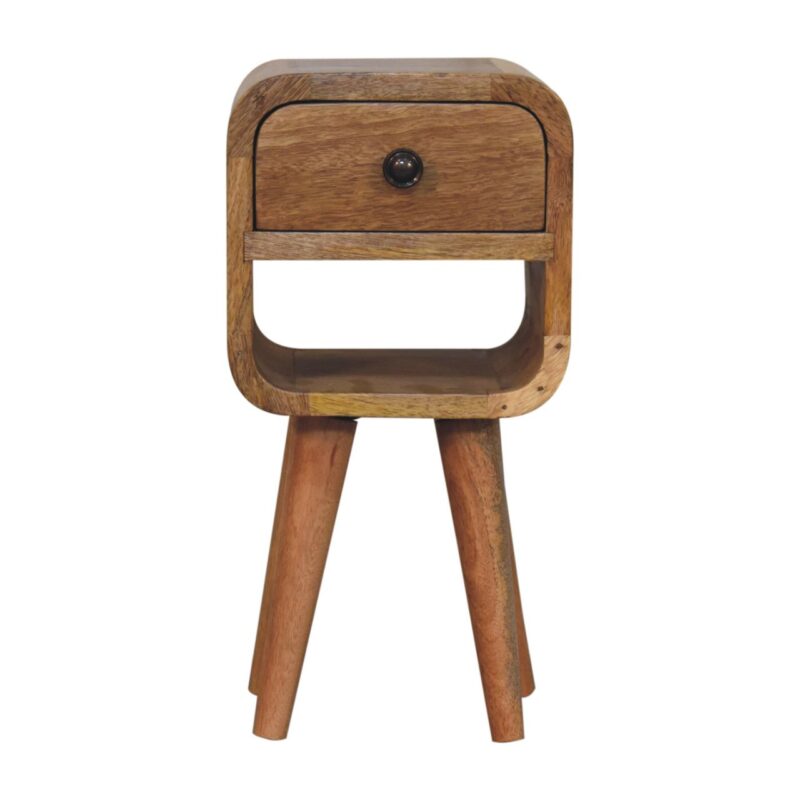
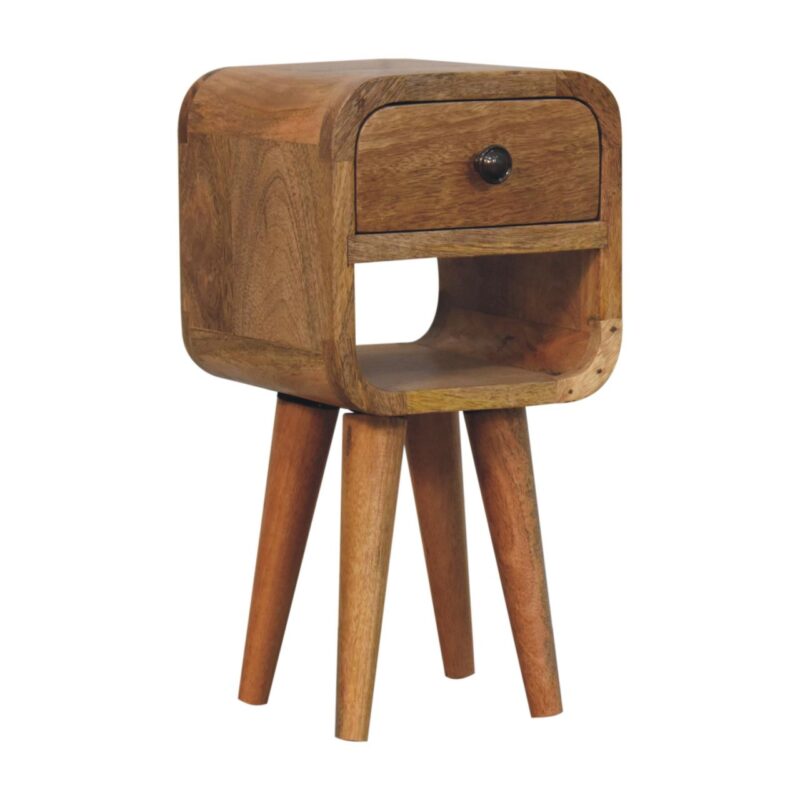
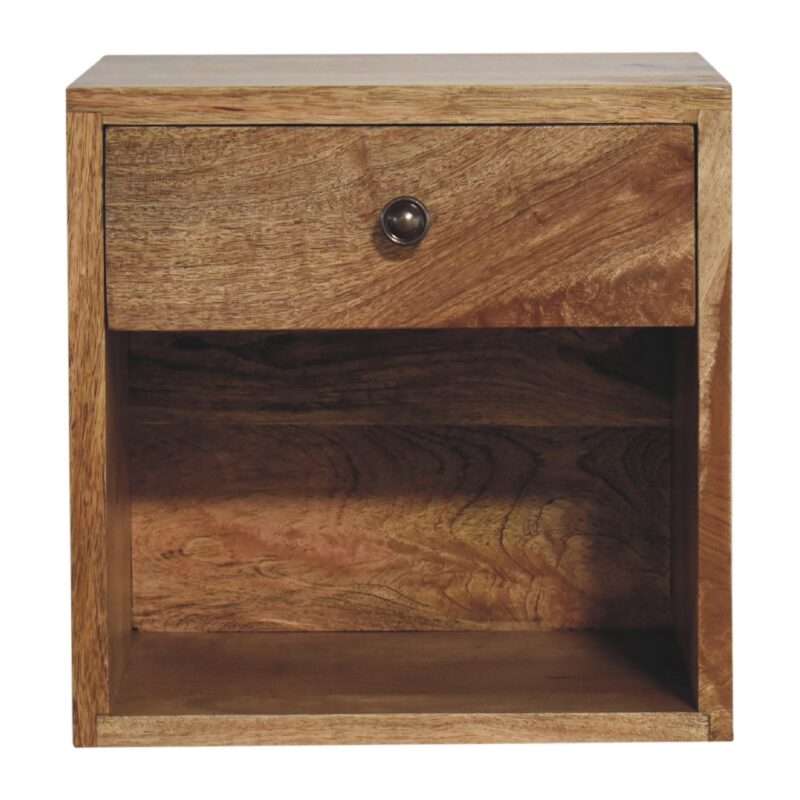
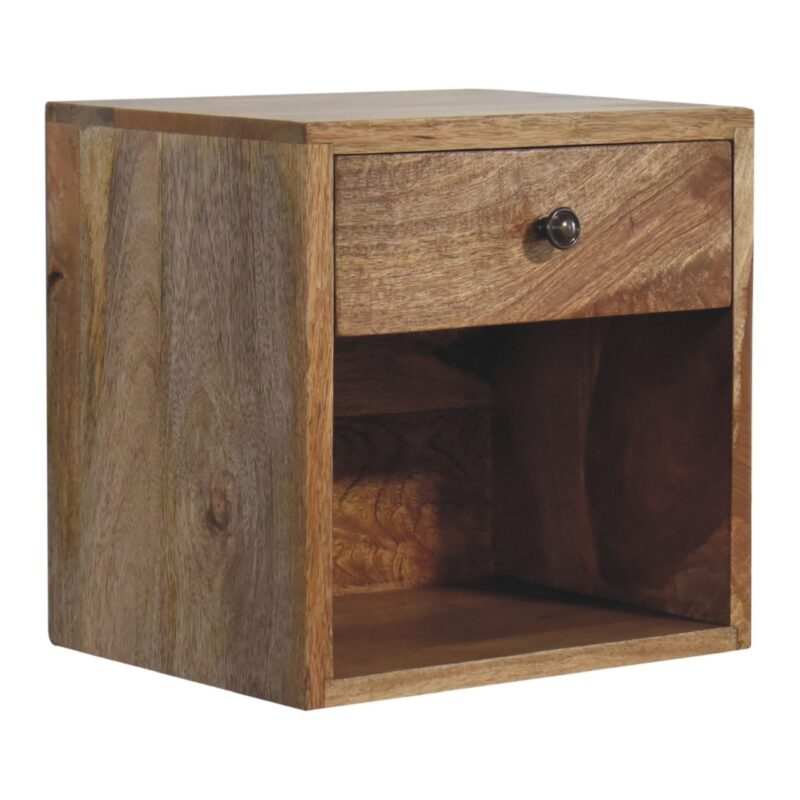
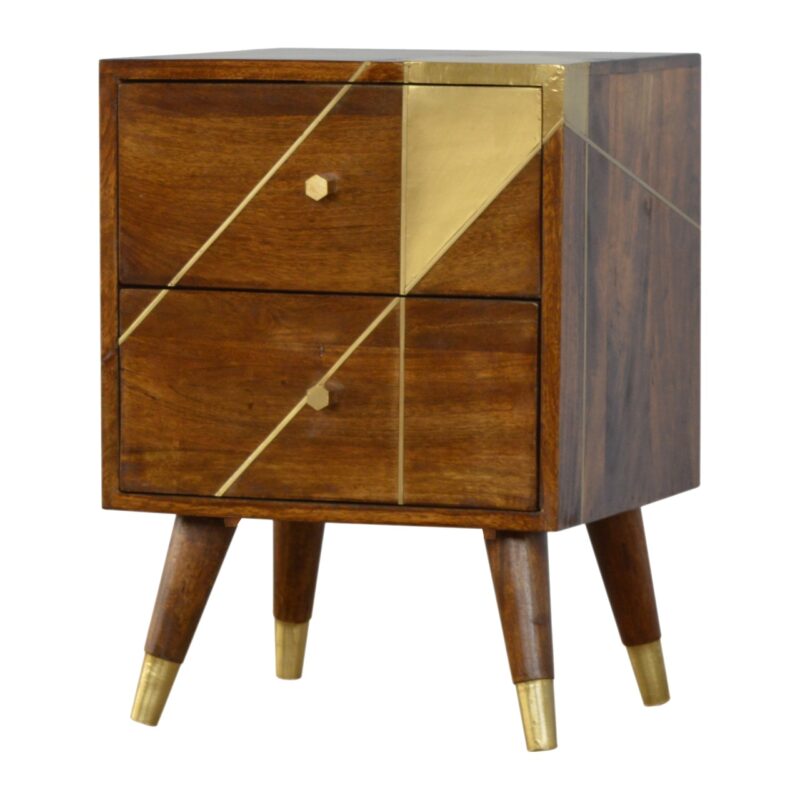
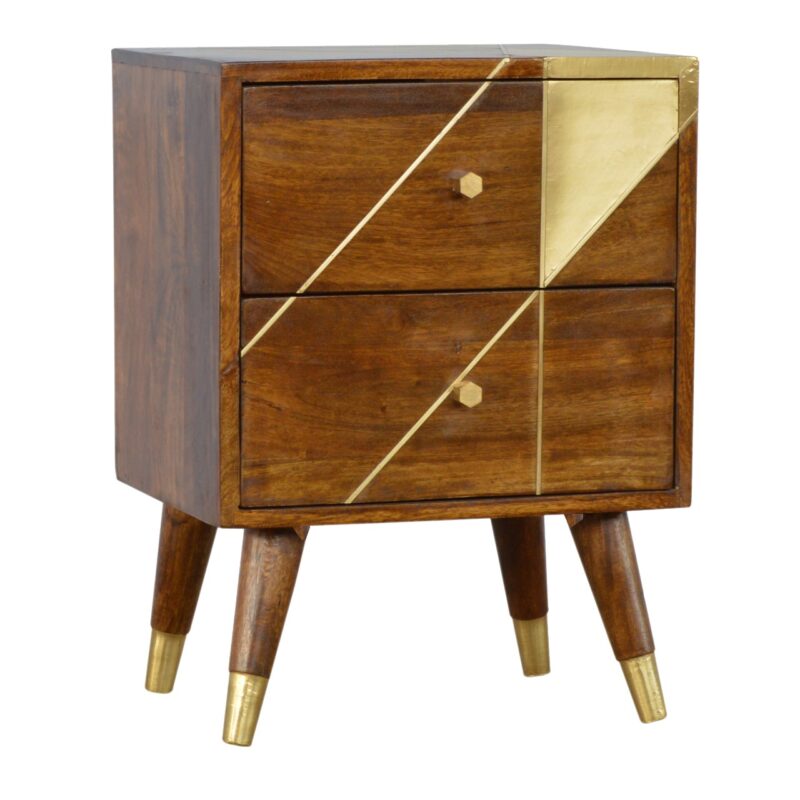
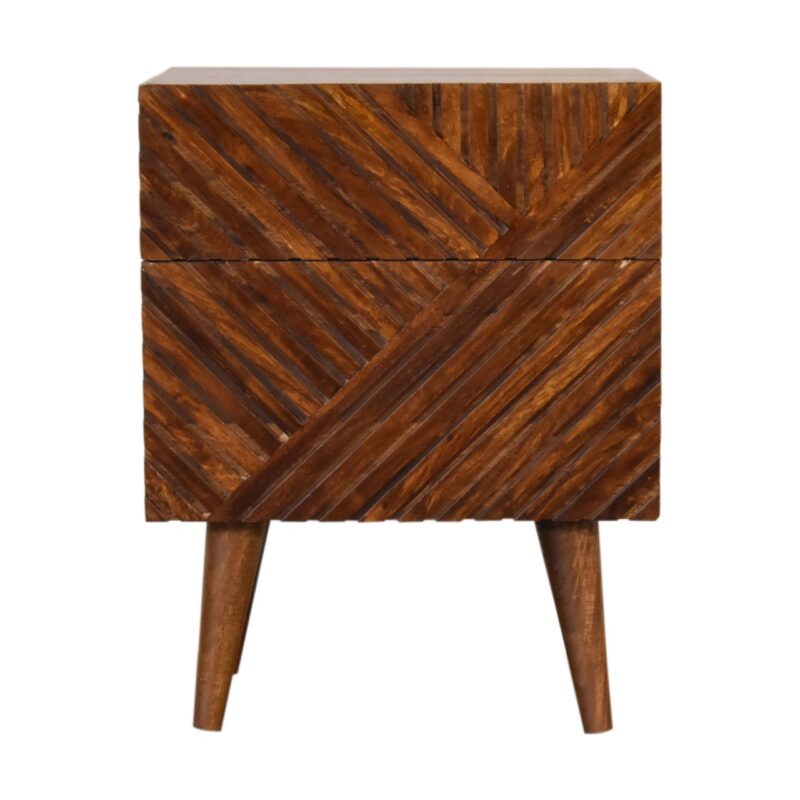
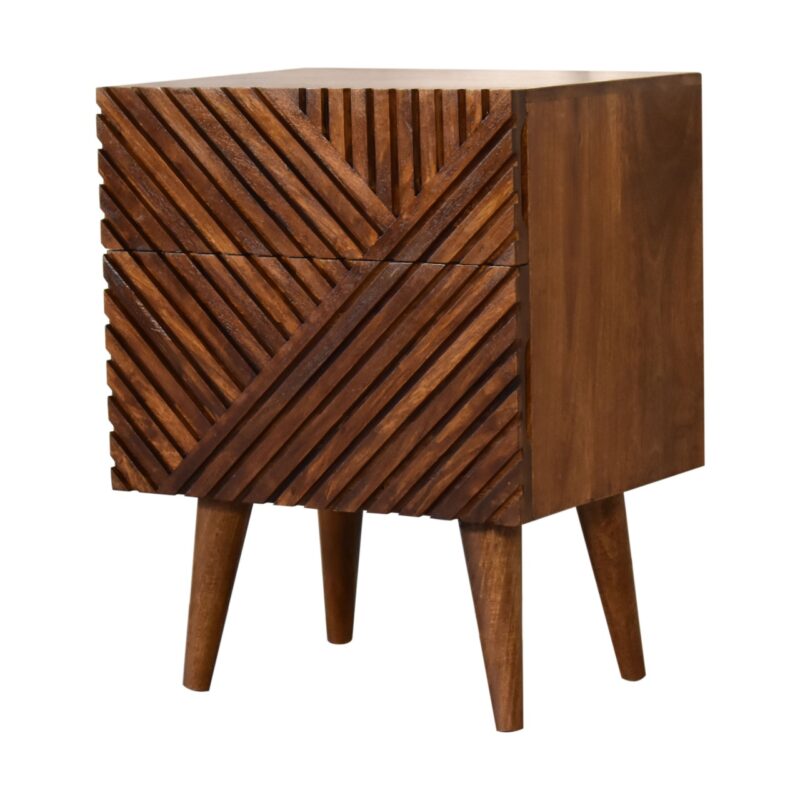
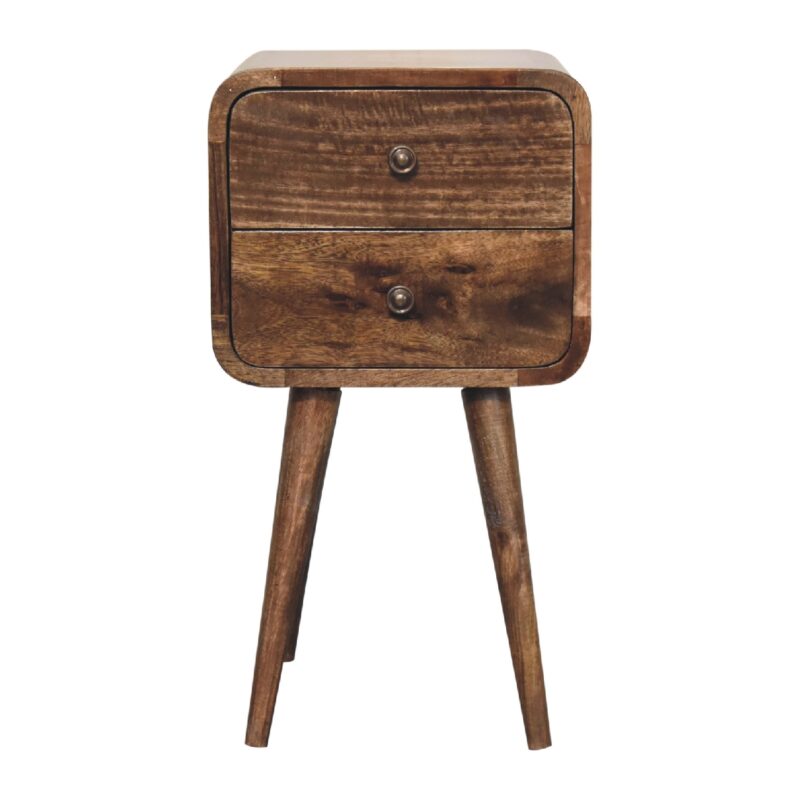
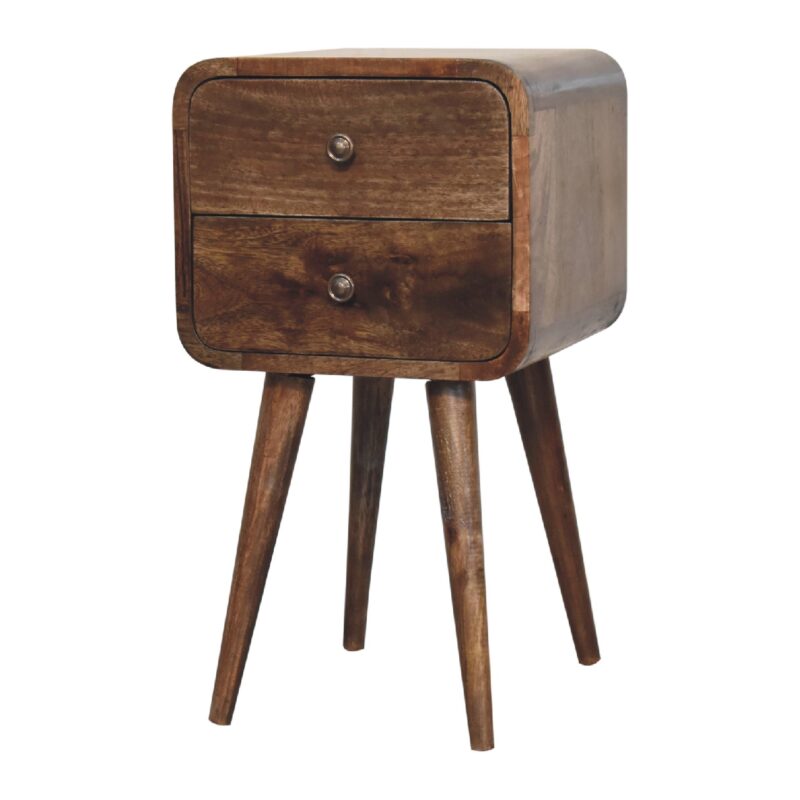
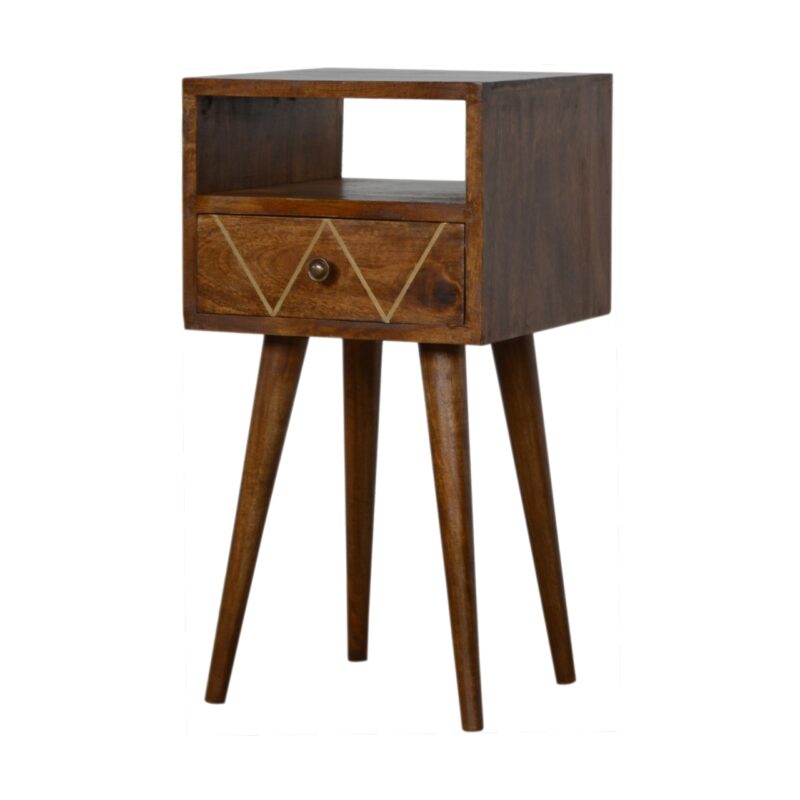
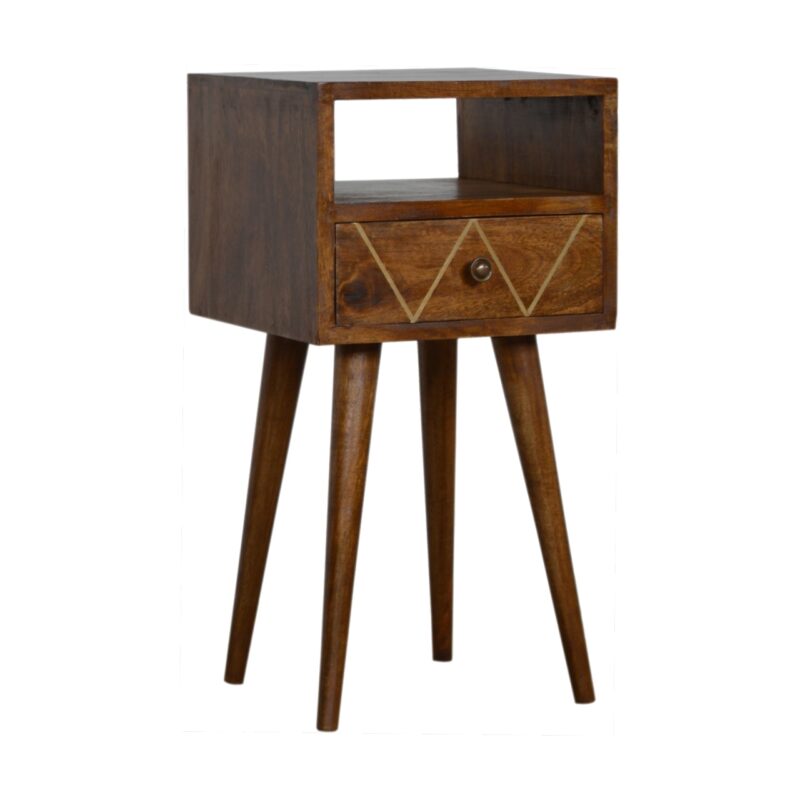
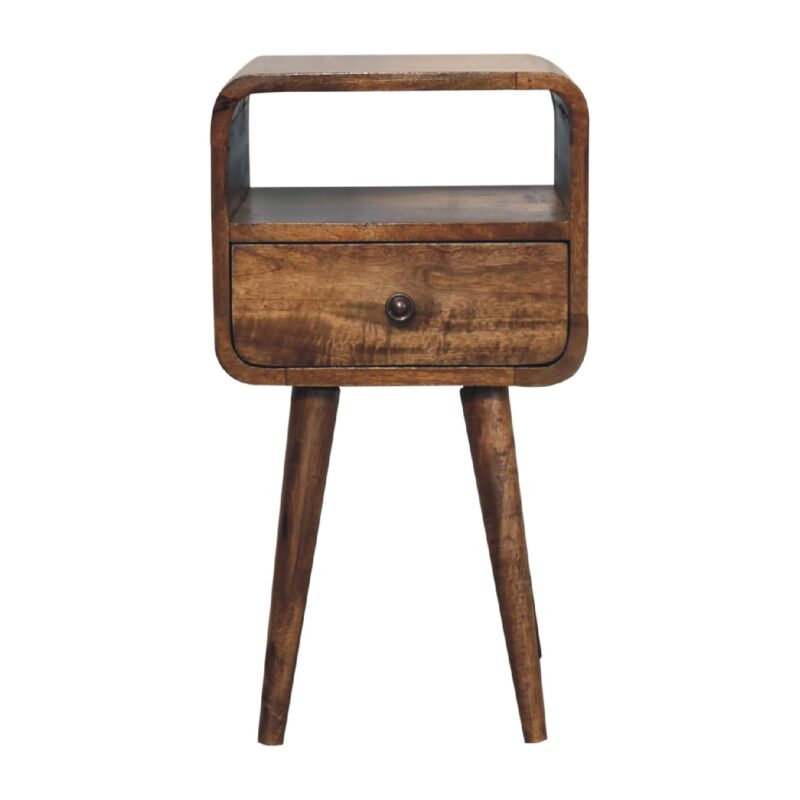
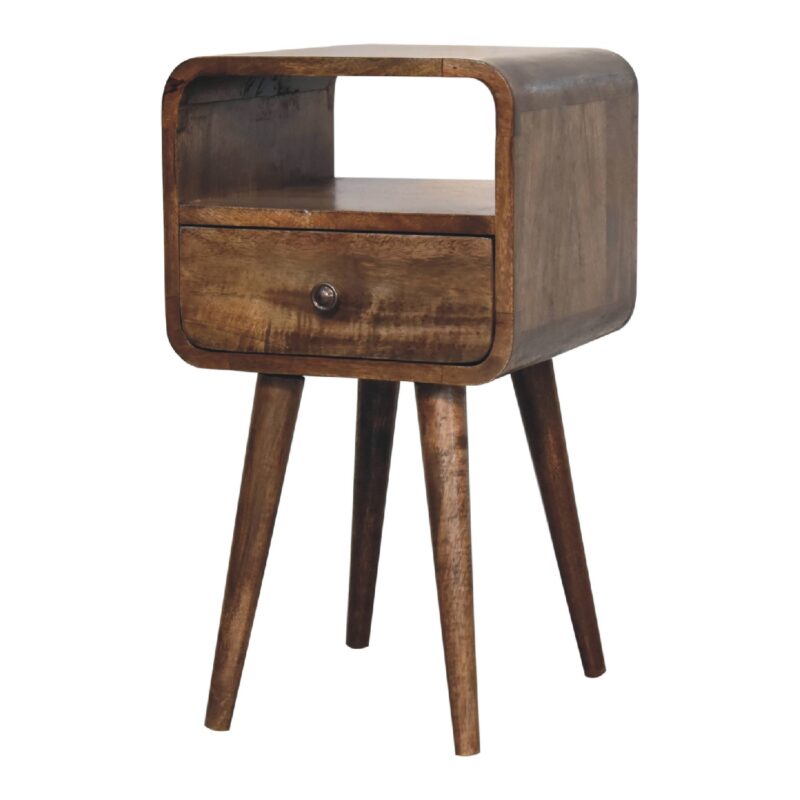
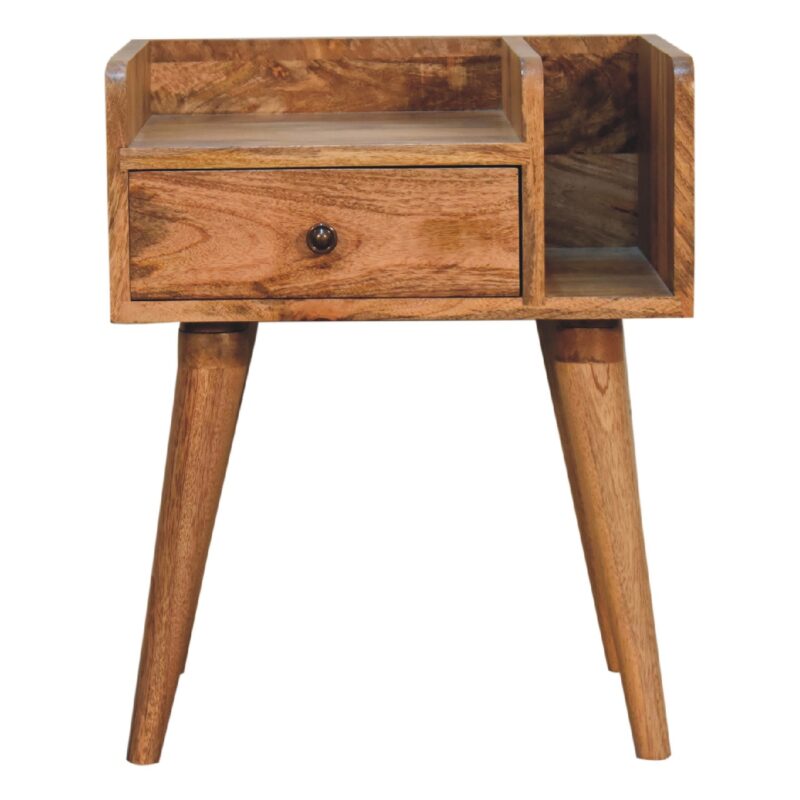
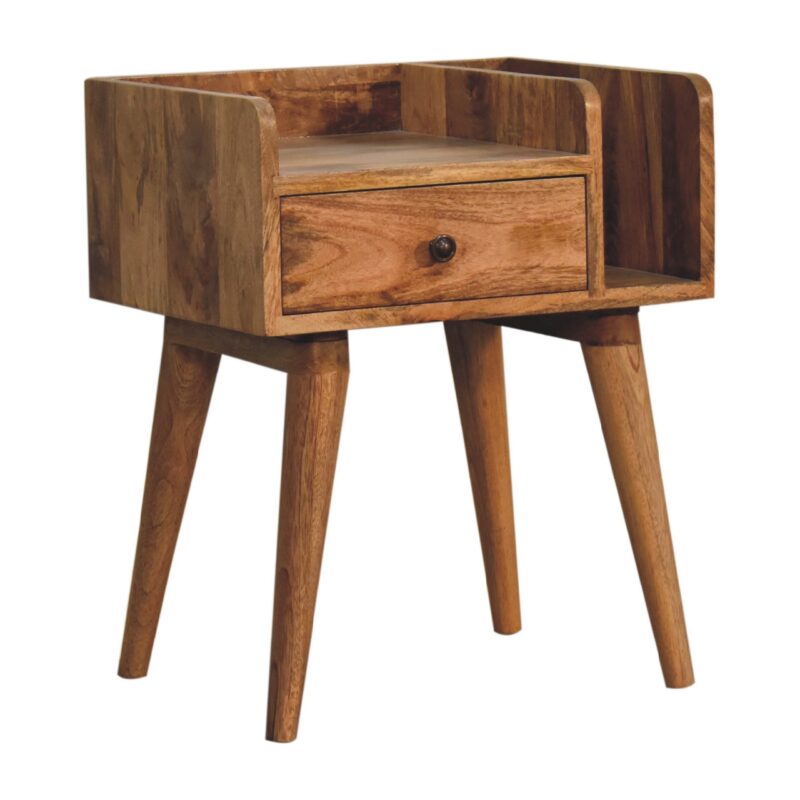
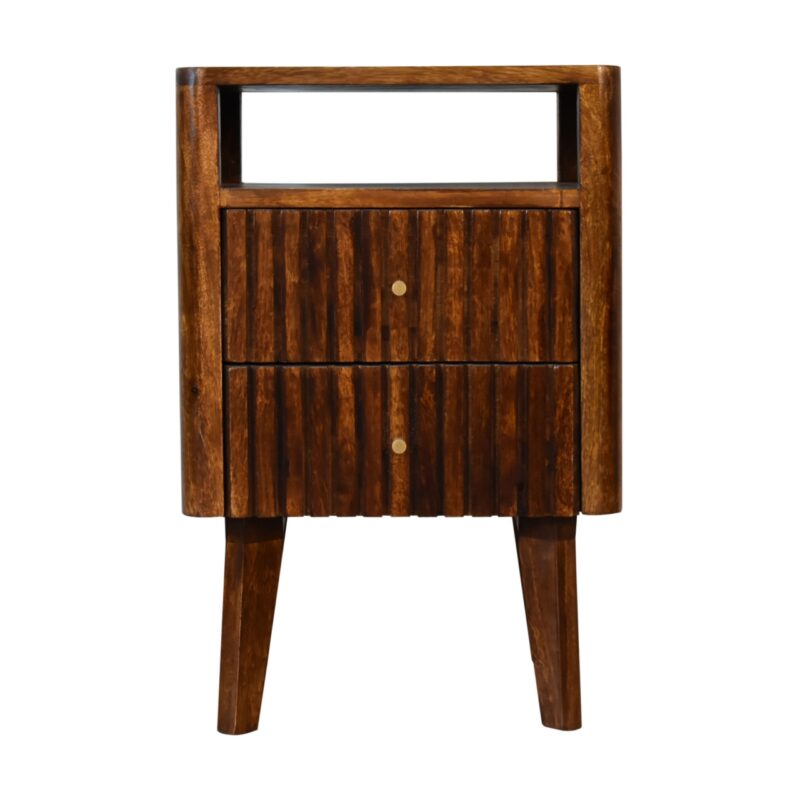
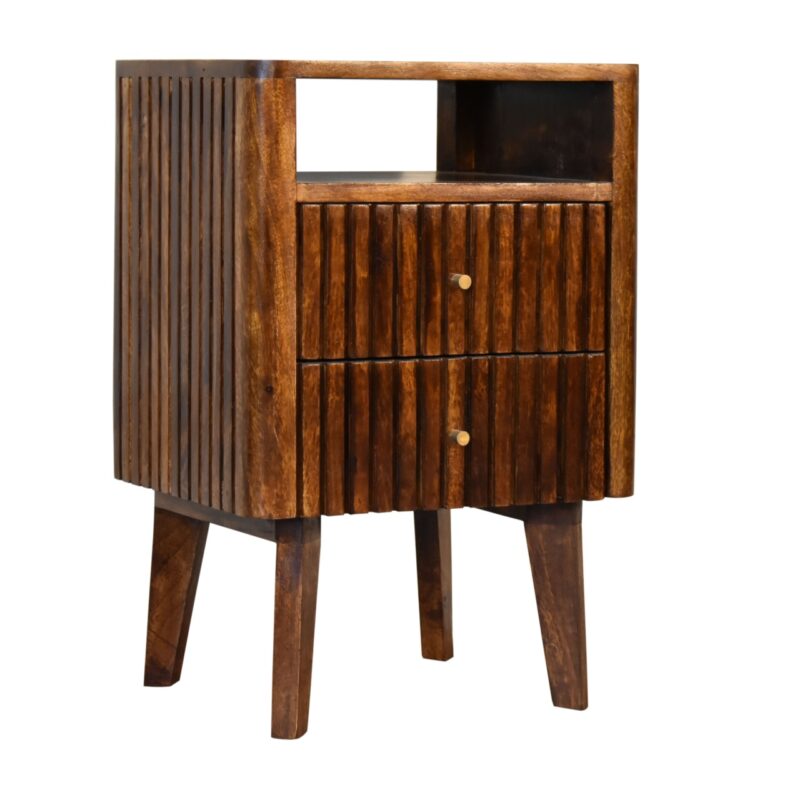
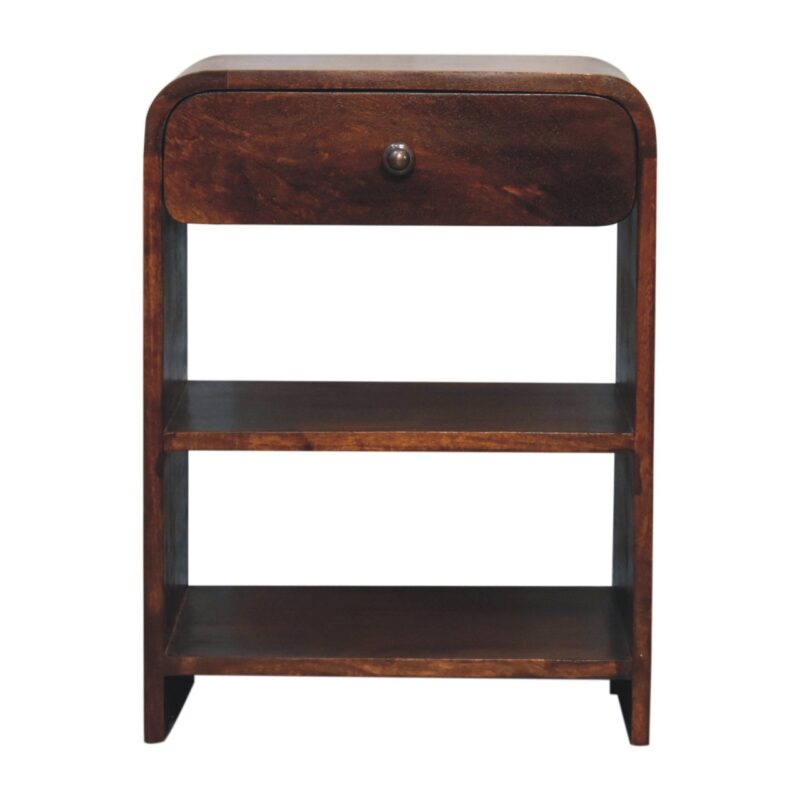
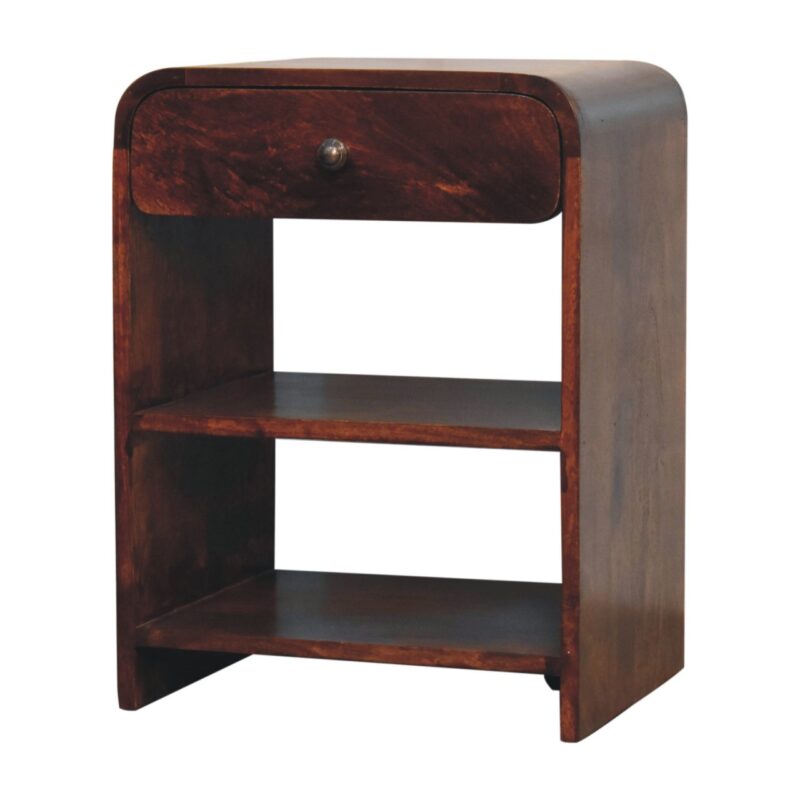
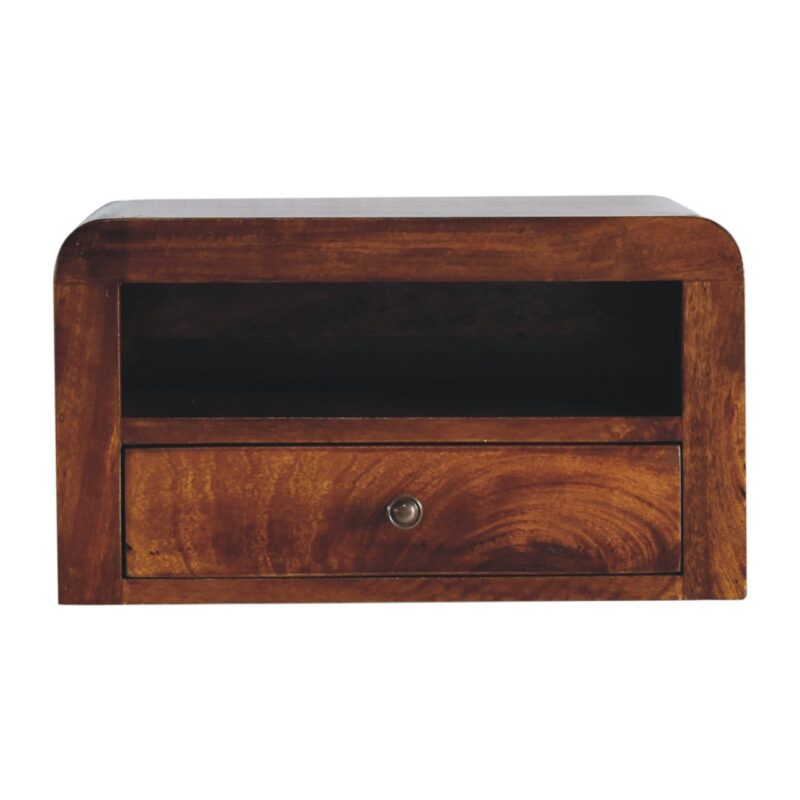
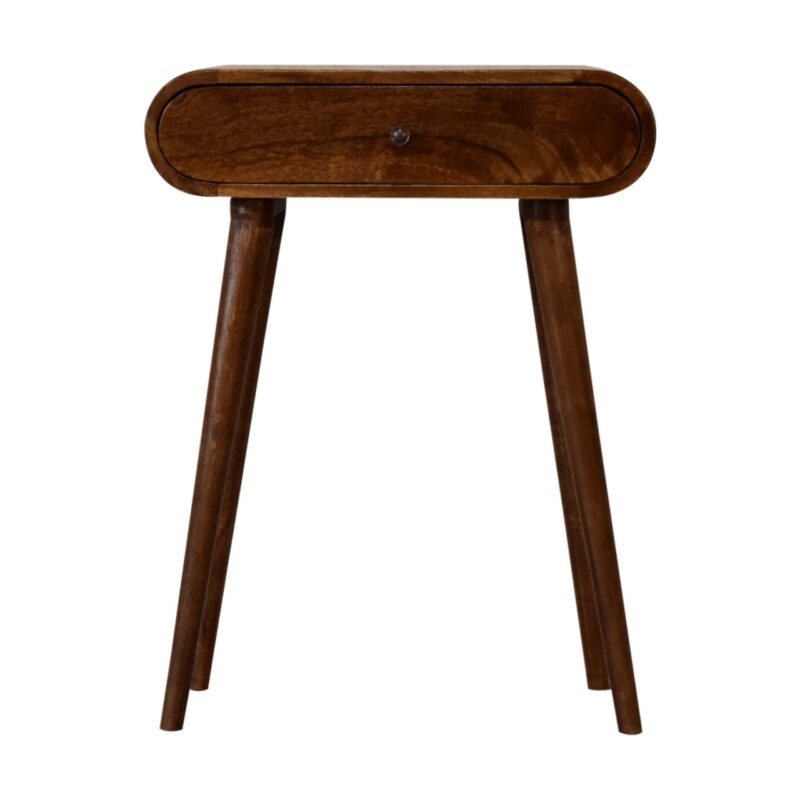
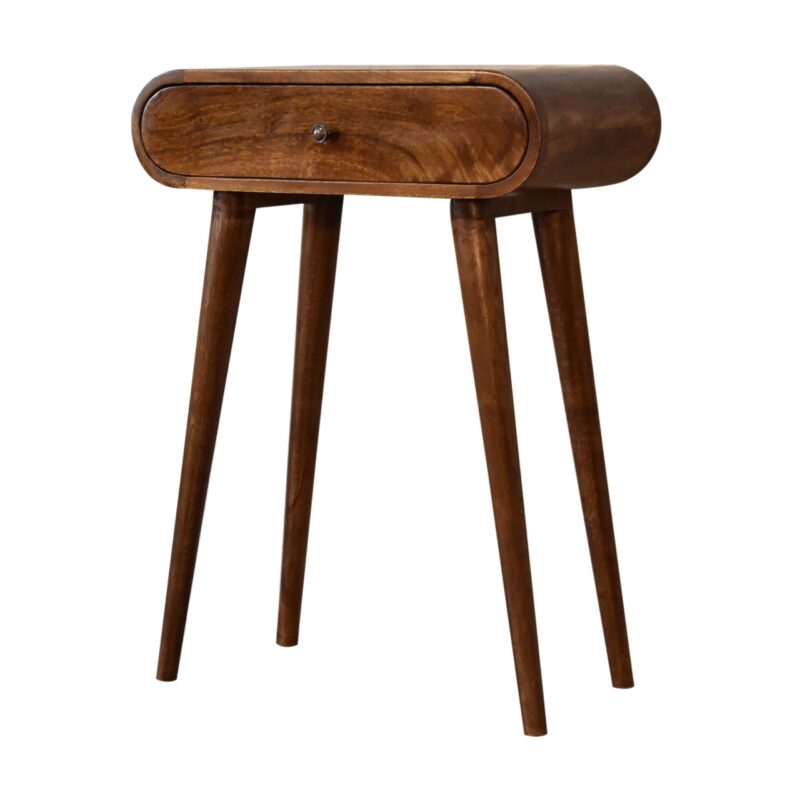
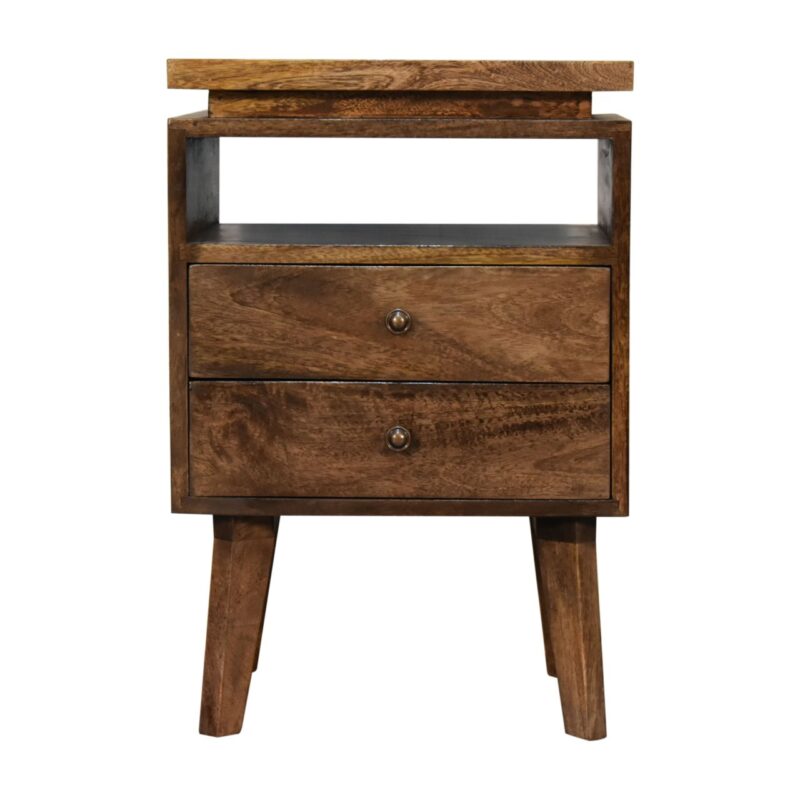
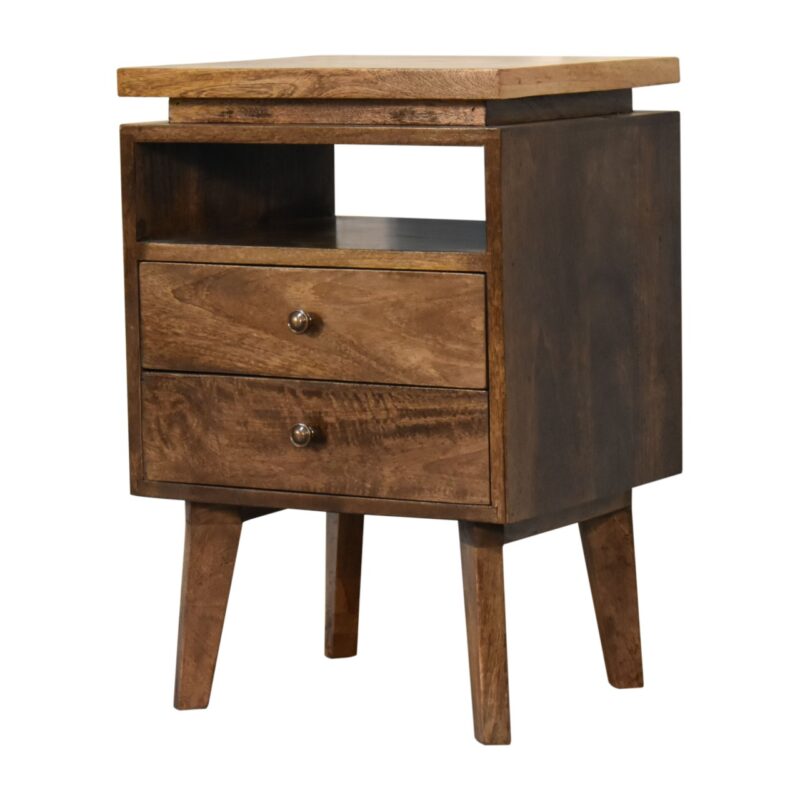
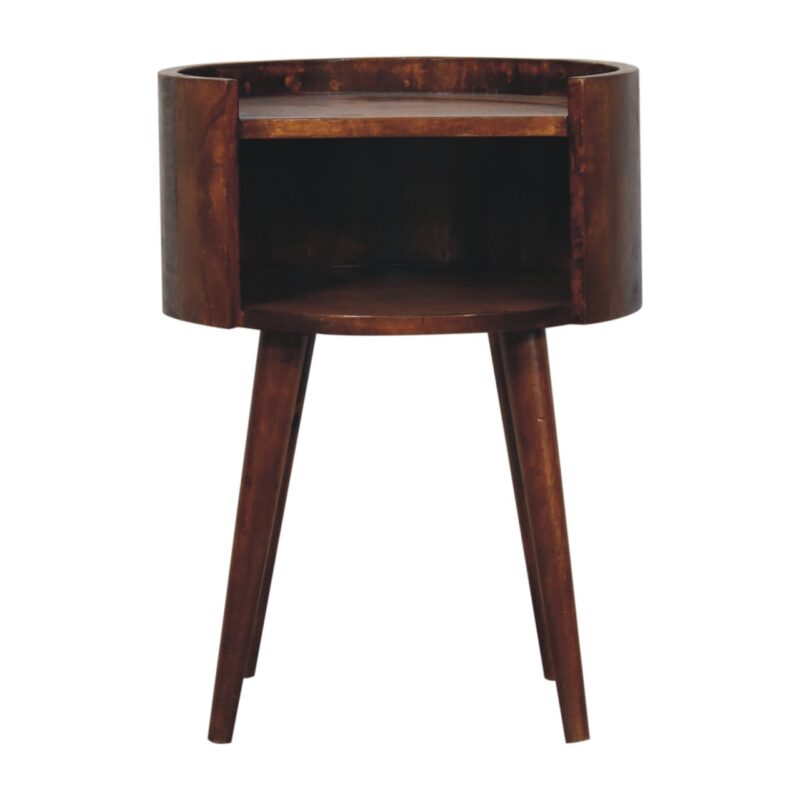
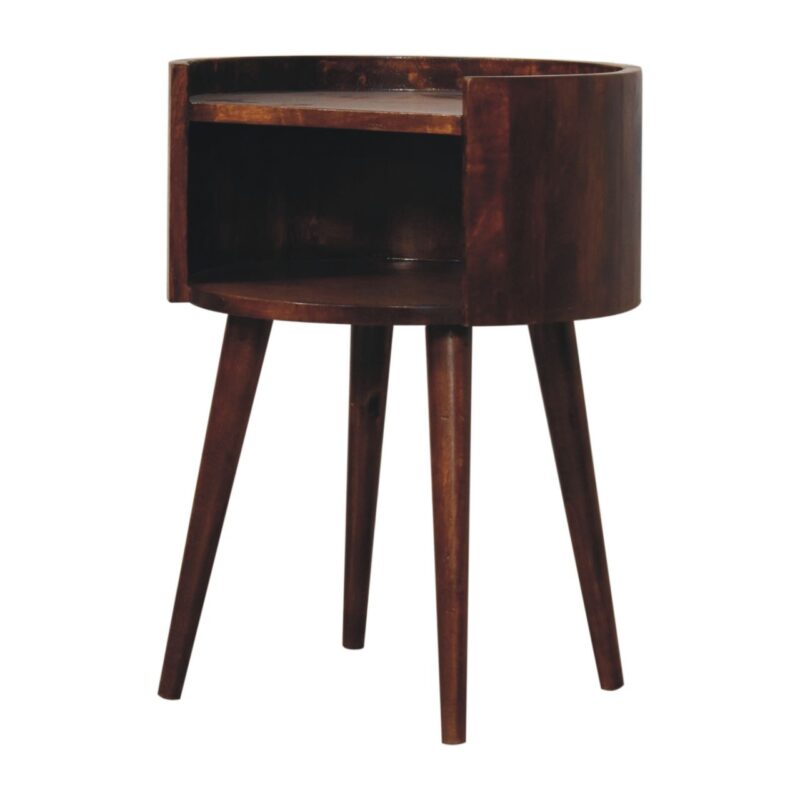
Handmade bedside cabinets, chests, and wardrobes elevate routine. Soft‑close drawers prevent nighttime noise; adjustable shelves adapt for seasons; and a calm palette supports rest. Because scale matters, choose lighter silhouettes in small rooms and ground larger spaces with deeper tones or framed fronts.
How to choose artisan pieces
Start with a simple brief: room size, storage needs, and preferred finish. Next, shortlist two or three makers or ranges that align with your budget. Finally, confirm practical details—dimensions, assembly, delivery lead times, and care requirements—so the piece arrives ready to live with for years.
Quality checks before you buy
- Run fingers along edges; sealed or rounded profiles wear better and feel refined.
- Open drawers fully; quality runners glide smoothly and return softly.
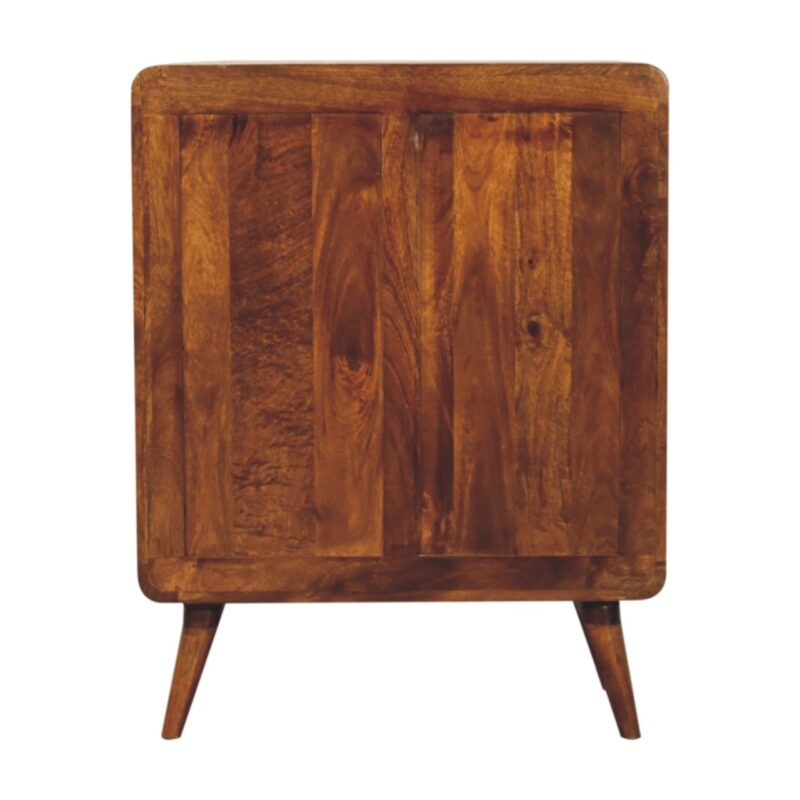
- Check underside and backs; neat work on hidden faces signals overall standards.
- Ask about repairs and finish touch‑ups; good workshops offer guidance and spares.
Handmade furniture care and longevity
With light maintenance, artisan pieces improve over time. Dust weekly with a soft cloth; wipe spills promptly; and renew oil or wax as recommended. In rooms with sunlight or radiators, allow small gaps from heat sources, and rotate decorative objects so tonal differences remain even across the top surfaces.
Sustainable choices that feel good
Because small‑batch makers often source responsibly, you’ll frequently find FSC wood, low‑VOC finishes, and recyclable packaging. Moreover, repairable construction—screwed backs, replaceable runners, and standard hardware—keeps furniture in service longer, reducing waste and future costs.
Comparison: handmade vs mass‑market
| Aspect | Handmade furniture | Mass‑market furniture |
|---|
| Build quality | Small‑batch, checked at each stage | Optimised for speed and cost |
| Custom options | Flexible sizes, finishes, hardware | Limited to fixed SKUs |
| Materials | Solid woods, sealed boards, durable edges | Mixed substrates; variable edge quality |
| Lifespan | Long with simple care and repairs | Shorter; harder to refinish |
Hand‑crafted furniture: styles that suit UK homes
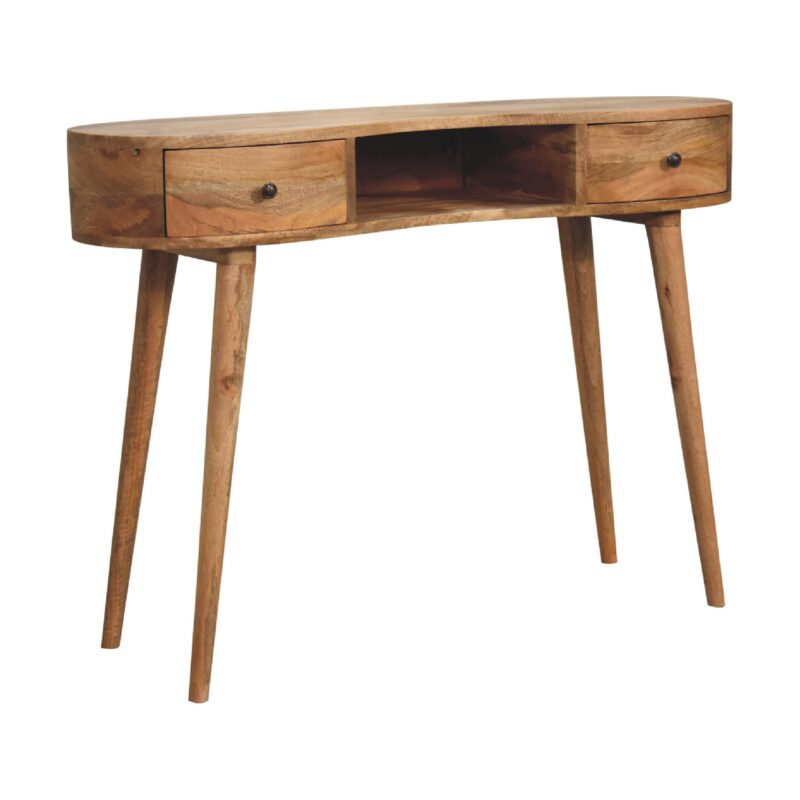
Scandi‑inspired light woods keep small rooms bright; warm modern mixes oak with graphite for depth; and monochrome minimal favours flat fronts and concealed pulls. For period properties, framed doors sit naturally beside original mouldings, while sleek slabs create striking contrast in newer builds.
Buying framework: quick scoring table
| Criterion | Weight | Your score |
|---|
| Right size & storage | 5 | __ |
| Finish & hardware quality | 4 | __ |
| Craftsmanship & joinery | 4 | __ |
| Maintenance needs | 3 | __ |
| Delivery & aftercare | 3 | __ |
Styling tips for handmade furniture
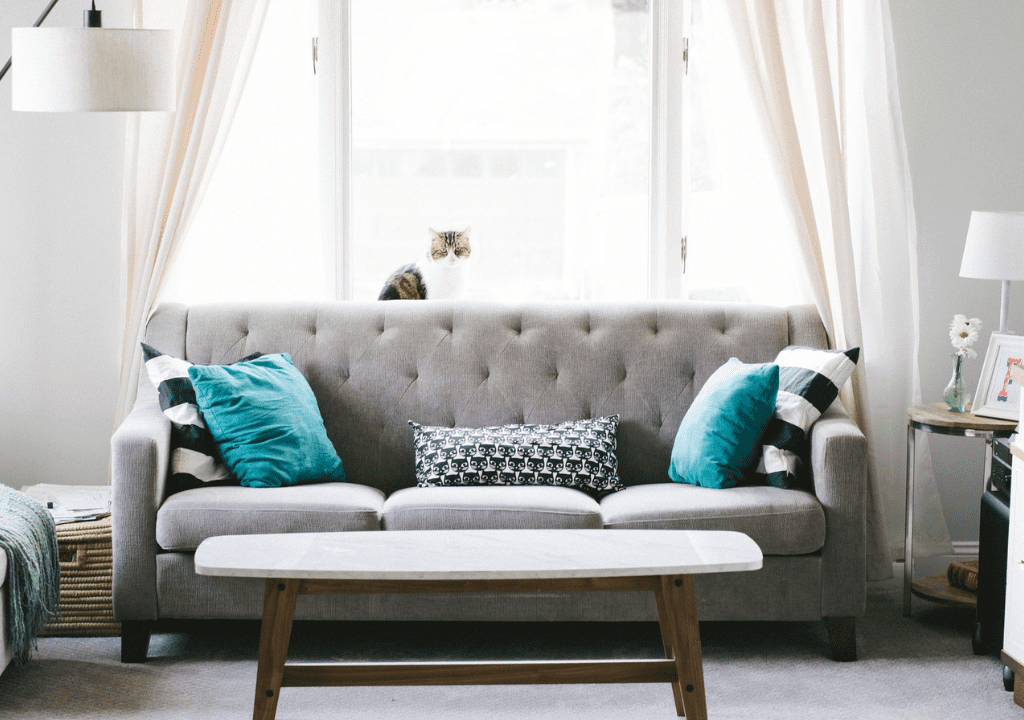
Because artisan pieces already provide texture, keep surroundings simple. Repeat a material—wood, linen, stone—in at least two places for harmony. Add task lighting with warm bulbs for evening depth, and use a single tray or bowl to corral small items so surfaces stay calm.
When handmade furniture is the best value
Value isn’t just price; it’s lifespan, repairability, and how a piece elevates daily life. If a cabinet fixes storage frustrations or a bench unlocks seating at a compact table, the return arrives every day. Furthermore, thoughtful design supports resale potential should plans change later.
Bring artisan character home
In summary, handmade furniture combines design, function, and longevity in a way that suits modern UK living. Because small‑batch craftsmanship prioritises detail, these pieces look considered, work smoothly, and feel good to own. Explore finishes, confirm sizes, and choose the layout that solves real needs—then enjoy furniture with a story that lasts.