
Inspiration

Creating Memories Around a Bespoke Handmade Dining Table

More than just a surface for meals, a handmade dining table serves as the true heart of the family home. It is where homework is conquered, festive feasts are shared, and late-night conversations unfold over cups of tea. Unlike mass-produced furniture that can feel cold and impersonal, a handcrafted table brings a sense of grounded warmth and permanence to your dining room. In this guide, you will explore why investing in artisan quality transforms your dining experience, how to choose a size that encourages conversation, and the unique characteristics that make a handmade piece a central character in your family's daily life.

The Social Impact of a Handmade Dining Table
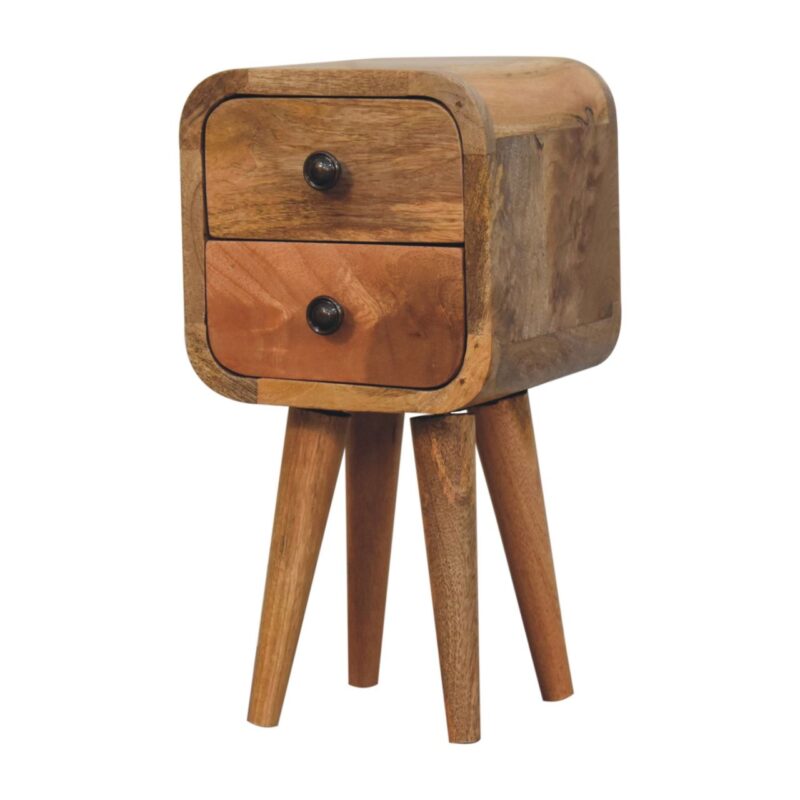
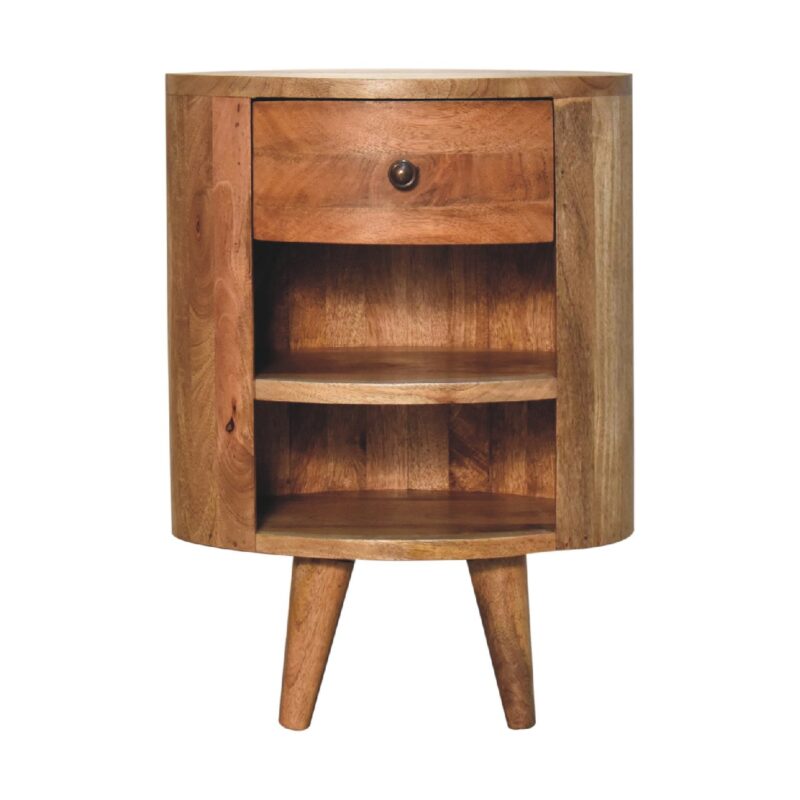
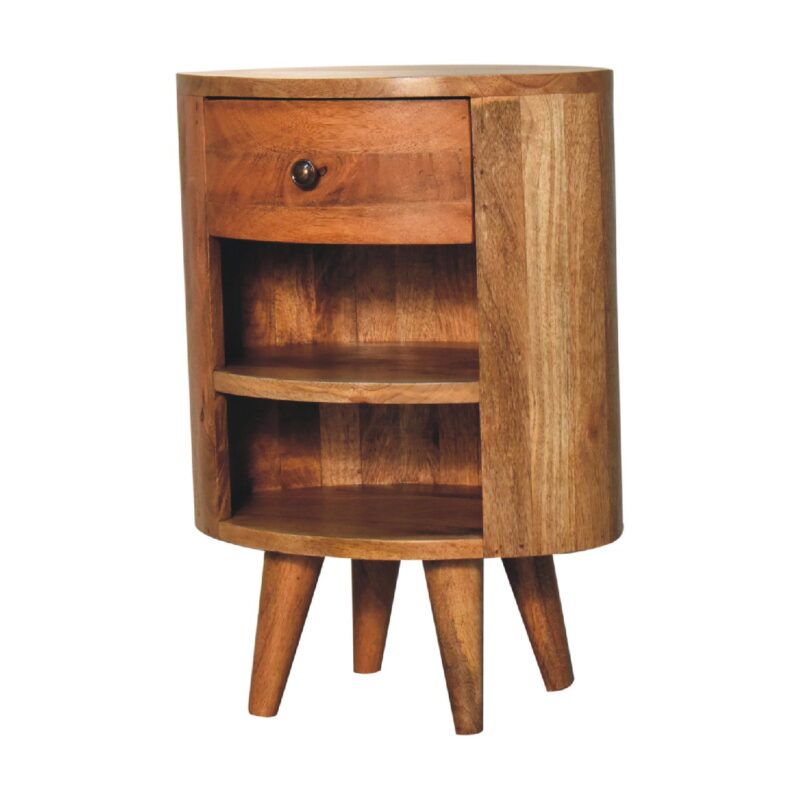
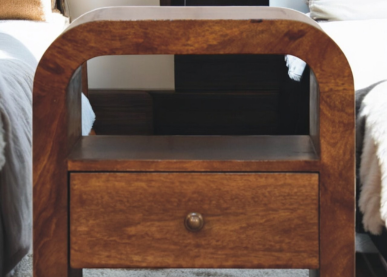
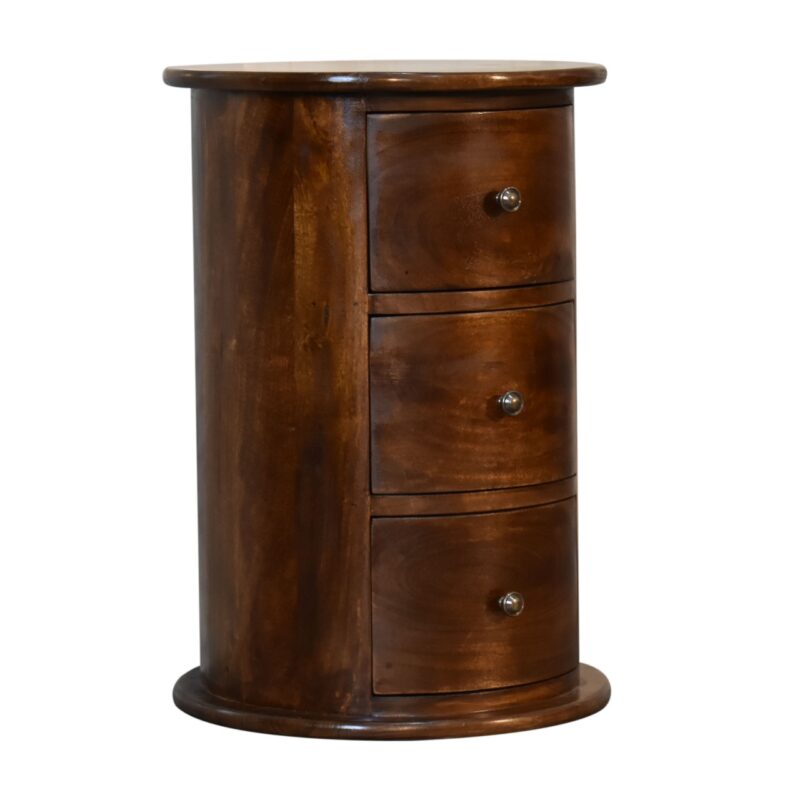
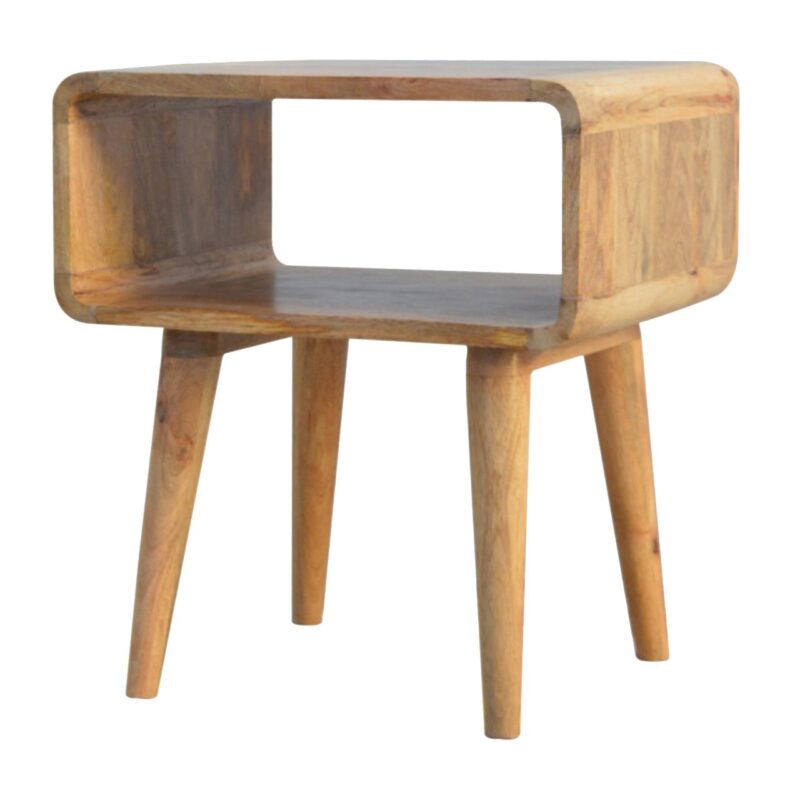
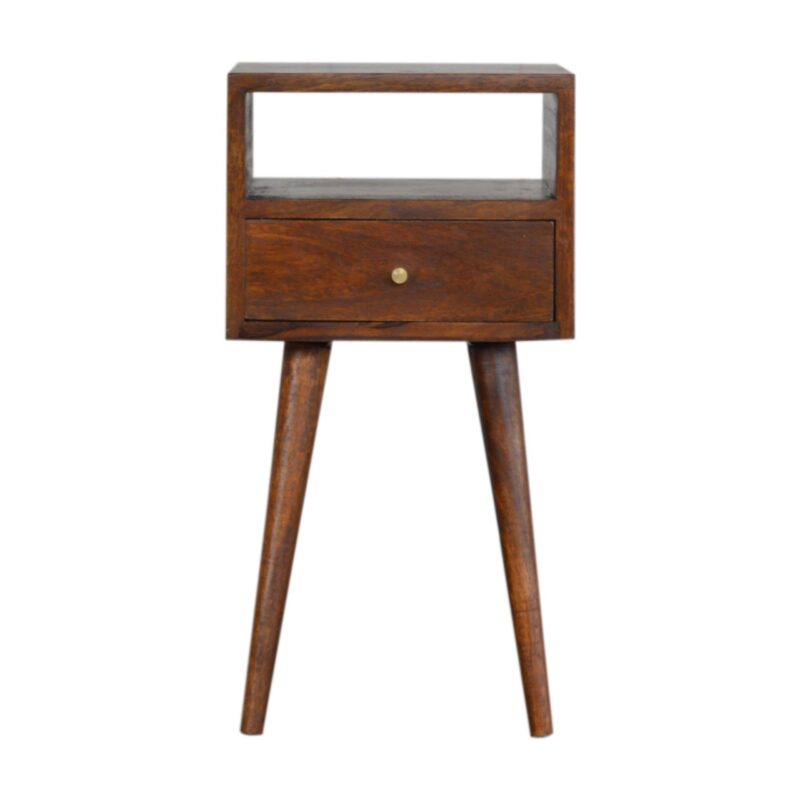
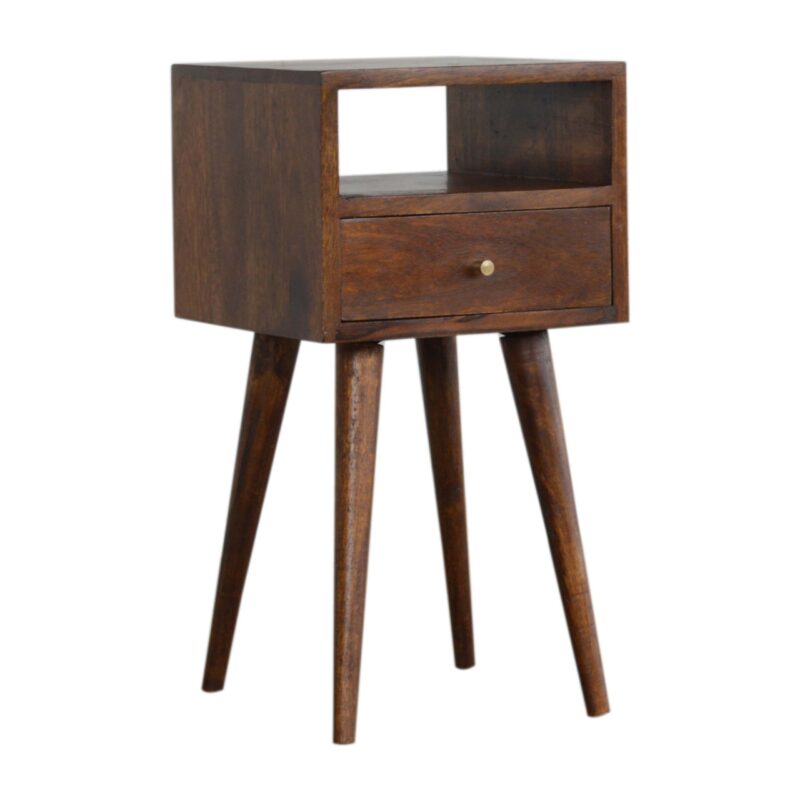
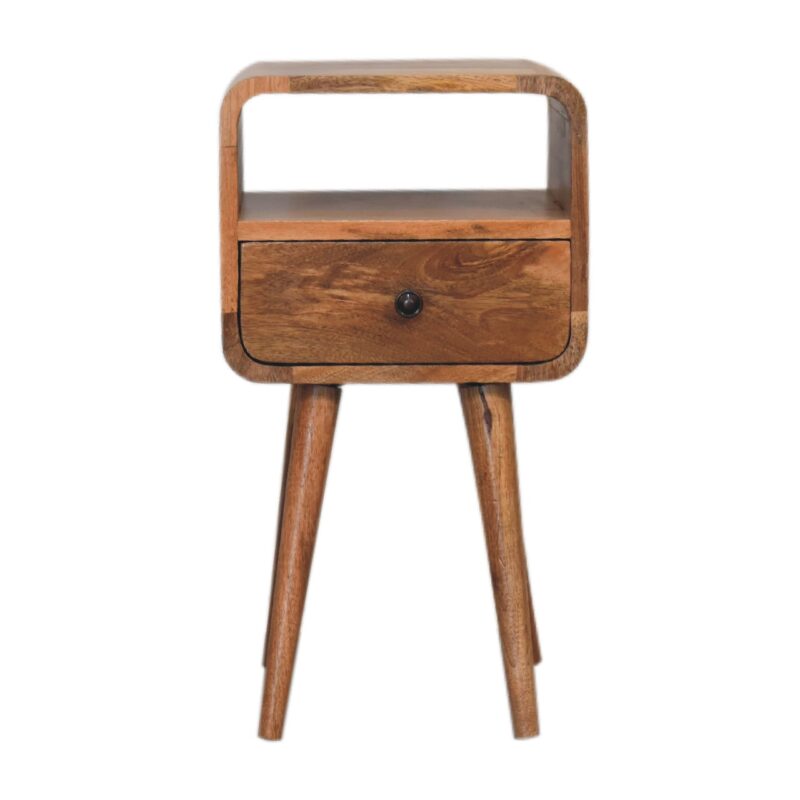
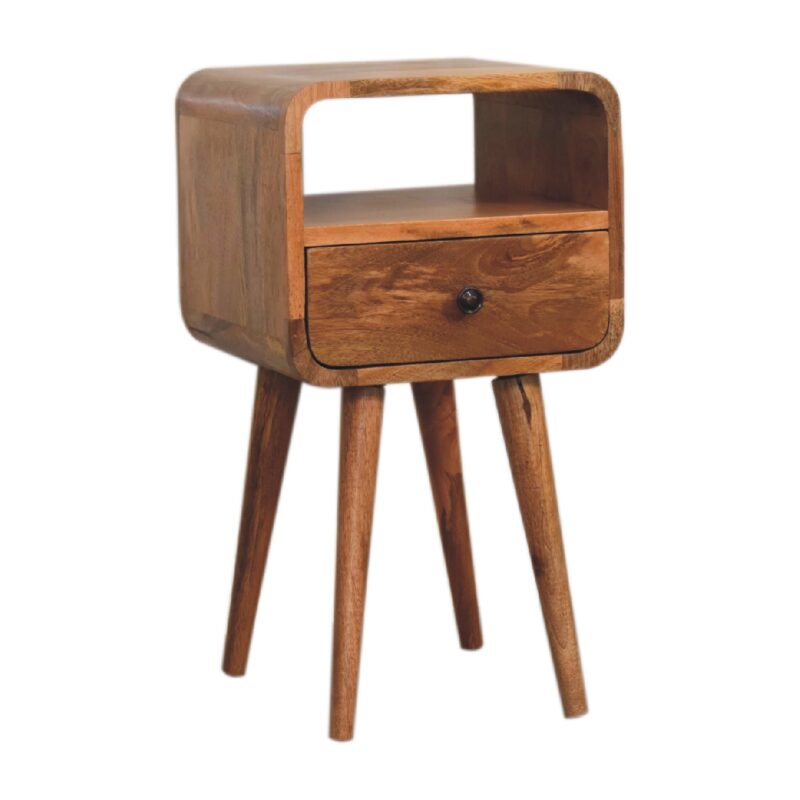
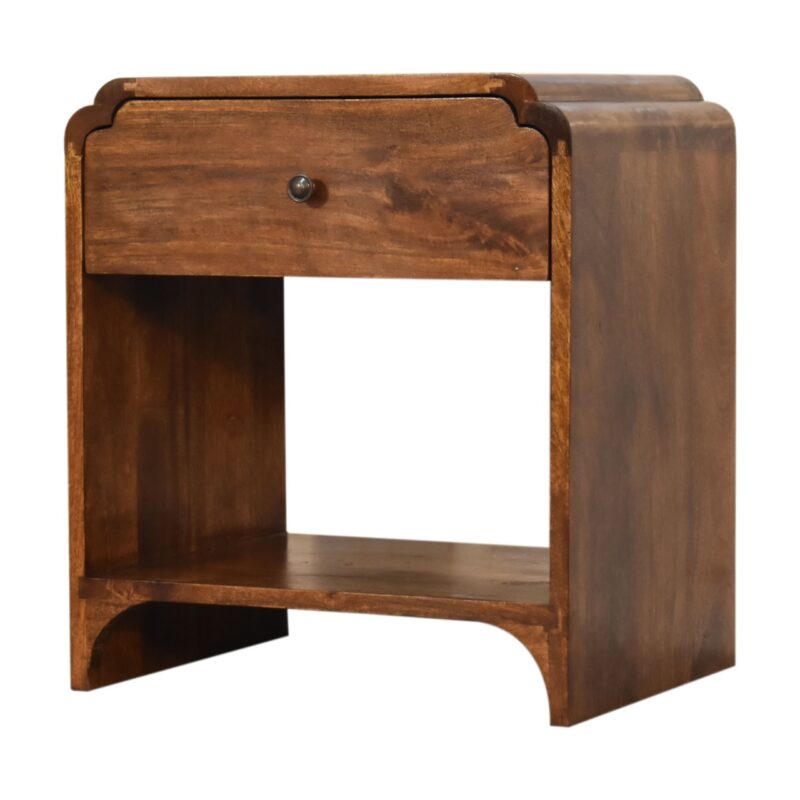
The design of your dining furniture directly influences how people interact within the space. A robust, solid wood table invites people to linger longer after the meal is finished. The tactile nature of hand-planed timber feels pleasant to the touch, subconsciously encouraging guests to relax and settle in. Furthermore, because handmade tables are often built to specific dimensions, you can ensure adequate elbow room for everyone, eliminating the cramped feeling often associated with standard-size factory tables. This comfort is crucial for turning a quick dinner into a meaningful social event, echoing the cozy atmosphere created by bespoke bedside furniture in your sleeping quarters.

Designing for Conversation and Comfort

  • Shape matters: Round tables improve eye contact for smaller groups, while rectangular artisan tables suit larger families.
  • Leg placement: Custom designs can position legs at the corners or use a central pedestal to maximise legroom for guests.
  • Surface texture: A matte, oiled finish feels warmer and less formal than high-gloss lacquer, promoting a relaxed atmosphere.
  • Acoustics: Solid wood absorbs sound better than glass or metal, helping to reduce the noise of clattering cutlery.

Durability for Daily Family Life

A family dining table must withstand a barrage of daily stressors—from hot serving dishes to children's craft projects. A handmade dining table is typically constructed from thick, solid timber that can take a beating and still look fantastic. In fact, many owners find that the minor dents and scratches accumulated over years of use add to the table's story and patina, rather than ruining its look. This resilience is a key advantage over veneered alternatives, which cannot be sanded down or repaired once the surface is breached.

Why Artisan Tables Survive Generations

  1. Renewable surface: Solid wood can be sanded back and re-oiled every few years to look brand new.
  2. Stronger joints: Traditional mortise and tenon joints resist the wobbling that develops in bolt-together furniture.
  3. Heat resistance: Natural timber (when properly treated) handles heat fluctuations better than synthetic laminates which may peel.
  4. Weight and stability: The sheer mass of a handmade table ensures it doesn't slide around when bumped, providing a safe platform.

Customising Your Handmade Dining Table
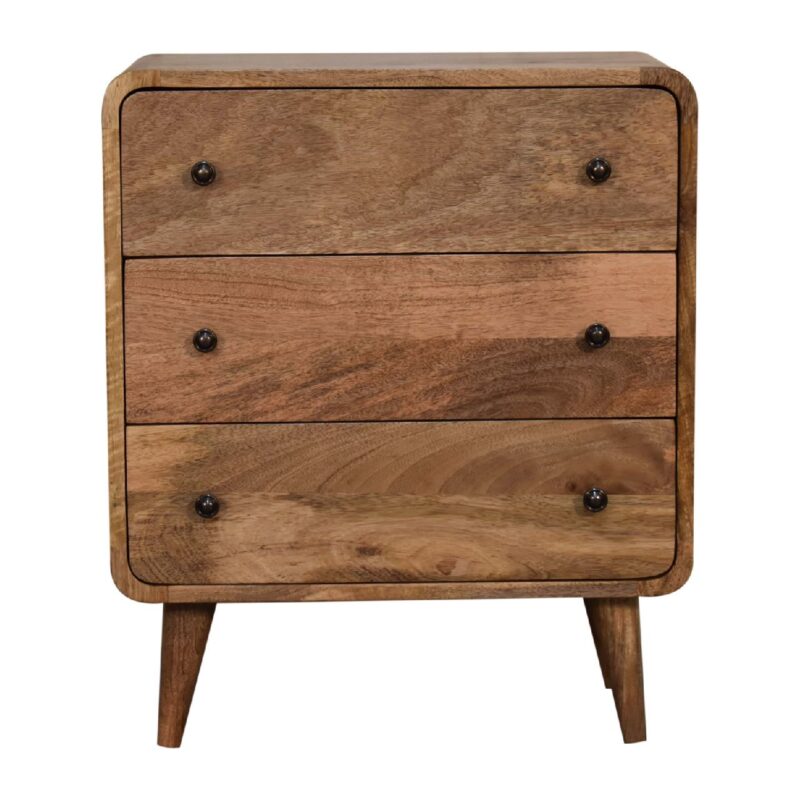
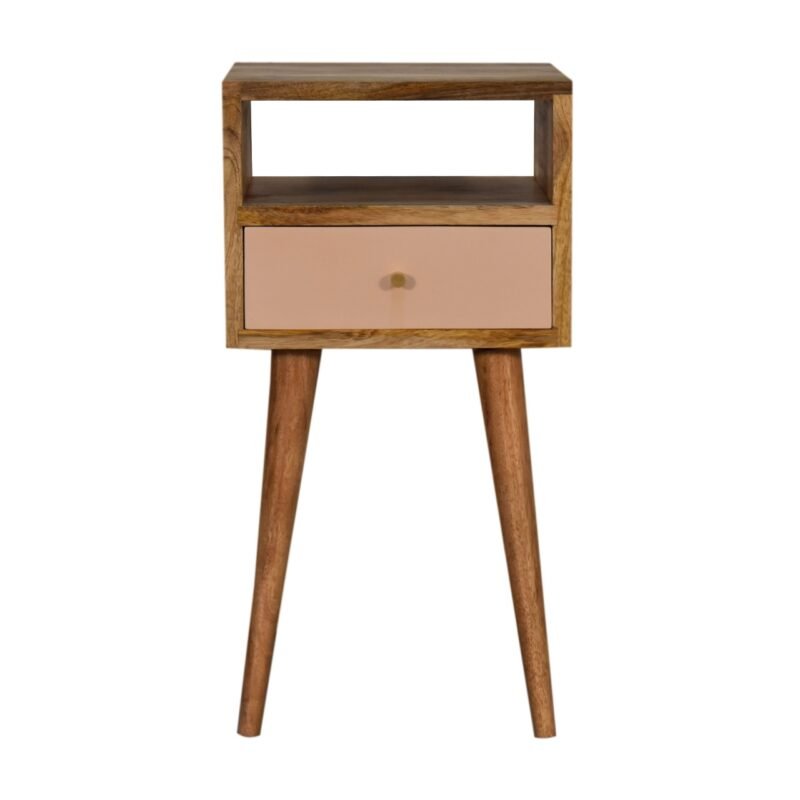
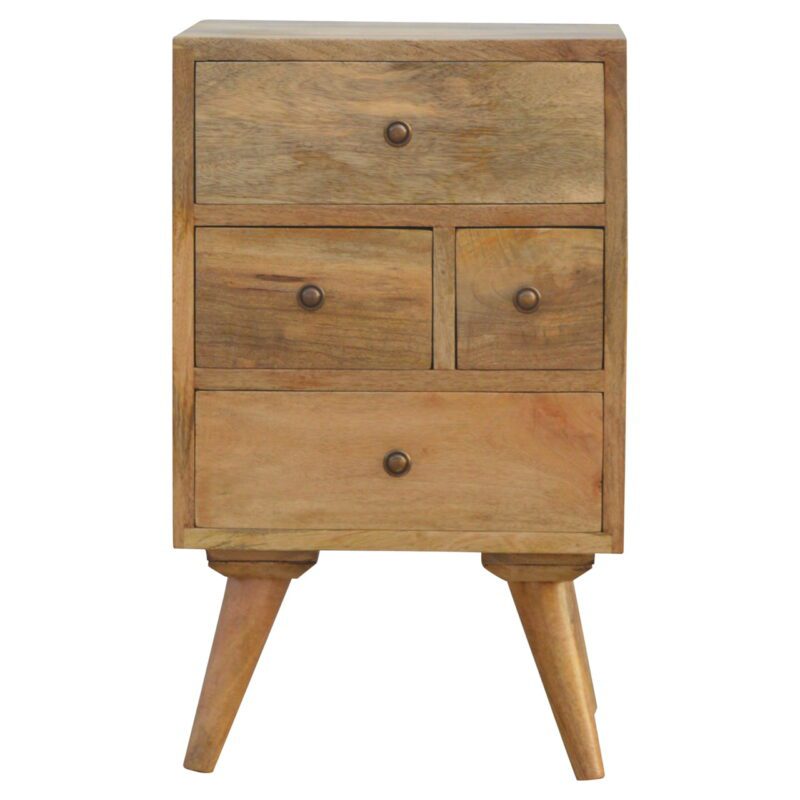
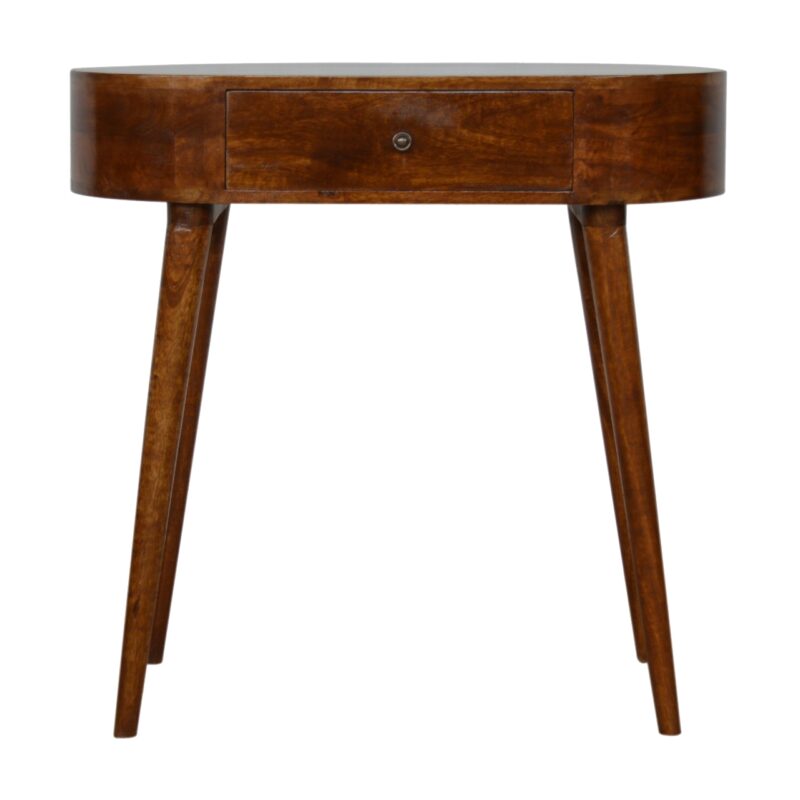
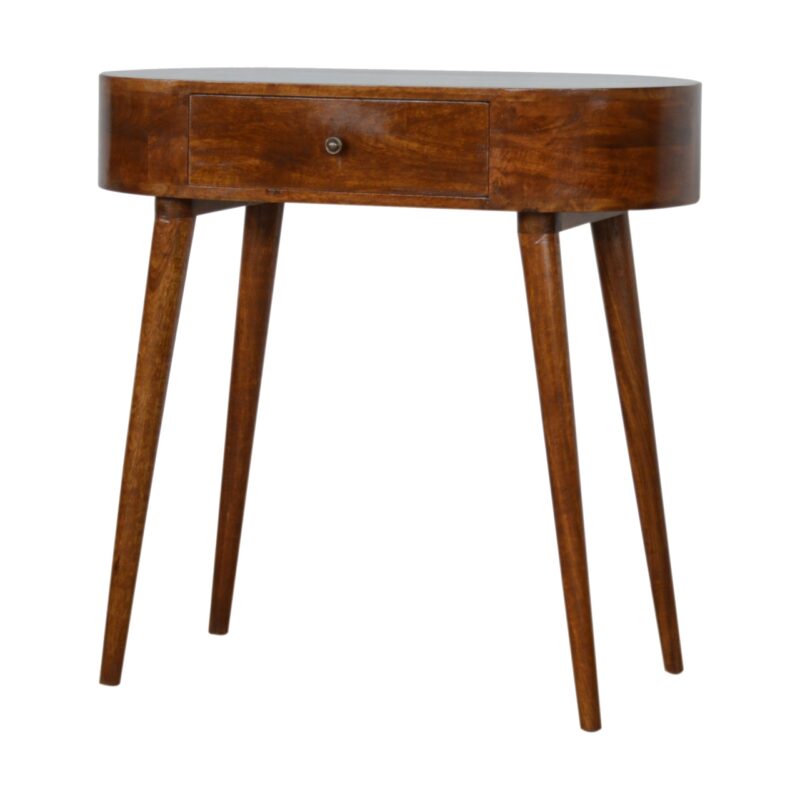
One of the greatest joys of commissioning or choosing a handmade piece is the ability to tailor it to your specific room aesthetic. Whether you have a modern open-plan kitchen or a separate formal dining room, the table can be adapted to fit. You might choose a live-edge slab for a dramatic, natural statement, or a clean-lined oak top for a minimalist Scandi vibe that pairs perfectly with matching hallway tables. The finish can also be customised—from whitewashed oils that keep the wood looking raw and pale, to rich, dark stains that add drama and sophistication.

Features to Consider for Your Bespoke Piece

When selecting your table, consider these functional customisations:

  • Extendable leaves: Ask for a mechanism that allows the table to grow for Christmas dinner but stay compact daily.
  • Bench seating: Matching handmade benches can save space by tucking under the table when not in use.
  • Breadboard ends: A traditional joinery technique that keeps the main boards flat while allowing for seasonal movement.
  • Timber choice: Select a wood hardness (Janka rating) that matches your family's lifestyle intensity.

Dining Table Material Comparison

The material of your dining table defines its longevity and maintenance needs. While glass or veneer tables are common in high-street stores, they lack the endurance of solid wood. The table below compares a handmade dining table made of solid timber against other common market options.

Choosing the Best Material for Hosting

MaterialDurability / RepairabilityTactile FeelFamily Friendliness
Solid Wood (Handmade)Excellent - Can be sanded/refinishedWarm, organic, softBest - Ages with character, highly robust
Wood VeneerLow - Chips expose cheap coreSmooth but often artificialMedium - Risk of permanent water damage
GlassHigh (Scratch resistant) but fragileCold, hard, noisyLow - Fingerprint magnet, sharp corners
Marble / StoneHigh - Prone to staining (acid/wine)Cold, solid, heavyMedium - Porous nature requires care

Gather Round Quality

A handmade dining table is an investment in the future of your family's social life, providing a reliable and beautiful stage for life's most important moments. By choosing artisan craftsmanship, you secure a piece of furniture that offers unmatched durability, unique character, and the ability to be restored rather than replaced. BoxenSpace creates stunning heritage-quality furnishings tailored to the needs of UK homes, blending functional resilience with timeless design. Explore our collection today to find the centrepiece that will host your Sunday roasts, birthday parties, and quiet morning coffees for generations to come.

How useful was this post?

Click on a star to rate it!

0/5 (0 reviews)

No votes so far! Be the first to rate this post.

See All Categories

Leave a Reply

Your email address will not be published. Required fields are marked *