Blog
Creating the Perfect Home Office: Comfort, Style & Productivity
The boundary between living space and workspace has never been more blurred. For digital nomads, freelancers, and e-commerce entrepreneurs, the home office is the command centre of their business. However, simply placing a laptop on a dining table is rarely a sustainable solution. To maintain focus and avoid fatigue, your environment needs to be purposefully designed. A well-curated home office balances ergonomic functionality with aesthetic appeal, ensuring that your workspace inspires creativity rather than stifling it. Investing in high-quality furniture is not just about interior design; it is an investment in your own efficiency and professional growth.
Choosing the Right Desk for Deep Focus
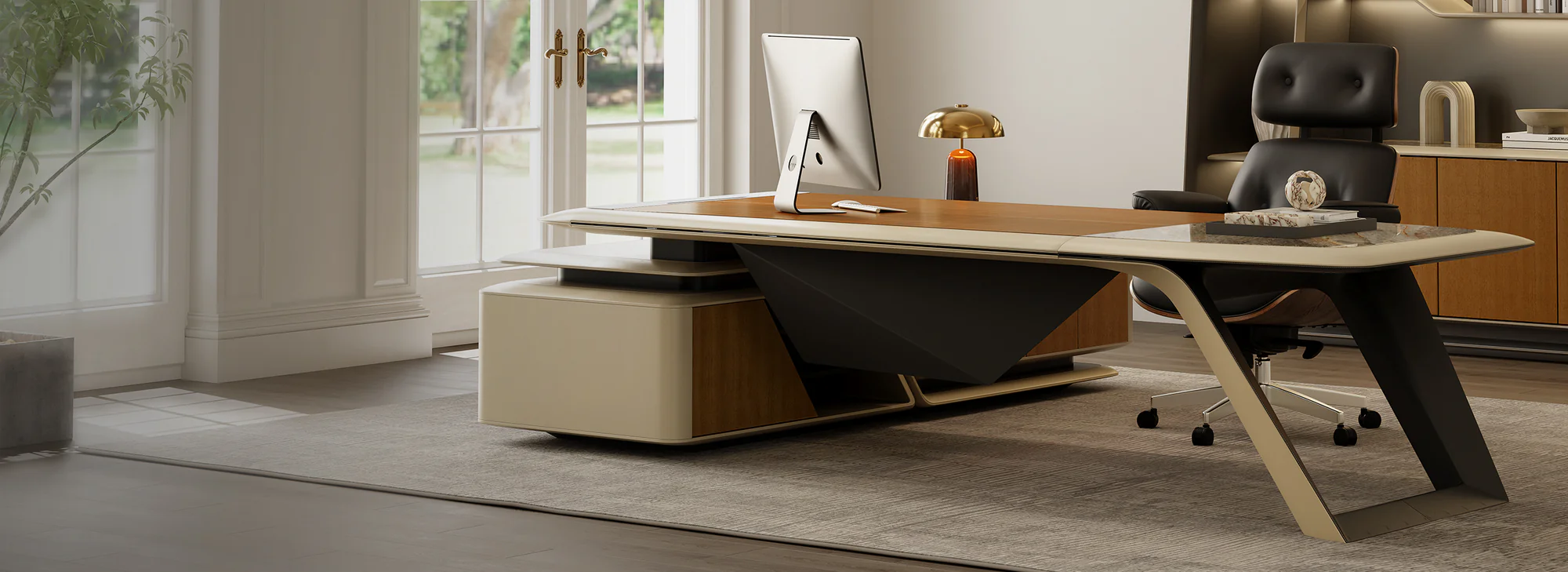
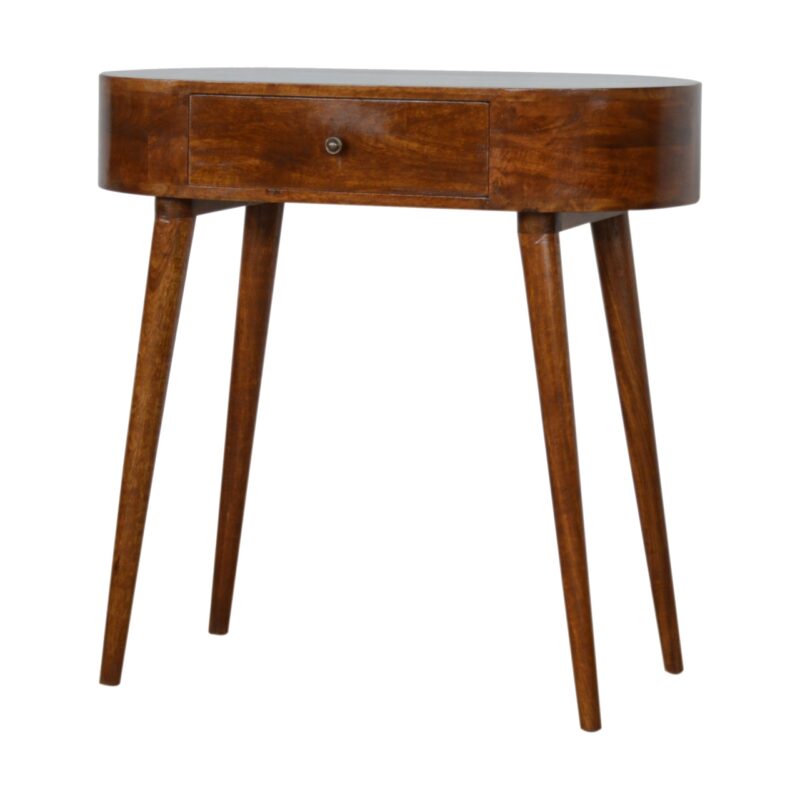
Your desk is the anchor of your home office, shaping how comfortably and efficiently you can work. An undersized surface quickly fills with notebooks, chargers, and coffee cups, forcing you to shuffle items around instead of focusing on the task at hand. A well-proportioned desk gives room for dual monitors, a keyboard at the correct height, and space for handwritten notes, without feeling cramped. By treating the desk as a tool rather than a decorative afterthought, you create a stable base for deep, distraction-free work.
Key Desk Considerations
- Surface depth: Enough space to keep screens at a healthy viewing distance without sacrificing room for notebooks.
- Width and layout: Space for both tech equipment and a clear writing zone, so you are not constantly rearranging items.
- Height and ergonomics: Allows your elbows to rest at roughly a right angle, reducing strain on shoulders and wrists.
- Finish and durability: A hard-wearing surface that resists scratches from laptops, mugs, and stationery.
- Cable routing: Discreet openings or channels to guide wires away from sightlines and off the floor.

Ergonomic Seating for Long Workdays
A well-designed chair is one of the most important investments for anyone who spends hours at a desk. Poor seating quietly drains your energy, leading to stiff shoulders, lower-back pain, and the constant urge to change position. An ergonomic chair supports the natural curve of your spine, encourages healthy posture, and allows micro-adjustments throughout the day. When your body is properly supported, it is far easier to stay focused on creative or analytical work instead of being distracted by discomfort.
Chair Features That Matter
- Adjustable height: Ensures your feet rest flat on the floor while your knees form a comfortable angle.
- Lumbar support: Maintains the natural S-shape of the spine and prevents slouching during long sessions.
- Seat cushioning: Firm but forgiving padding that does not collapse after a few months of daily use.
- Armrests: Positioned so your forearms can rest lightly without lifting your shoulders.
- Mobility and swivel: Smooth casters and rotation so you can reach shelves and drawers without awkward twisting.
Storage That Keeps You in Flow
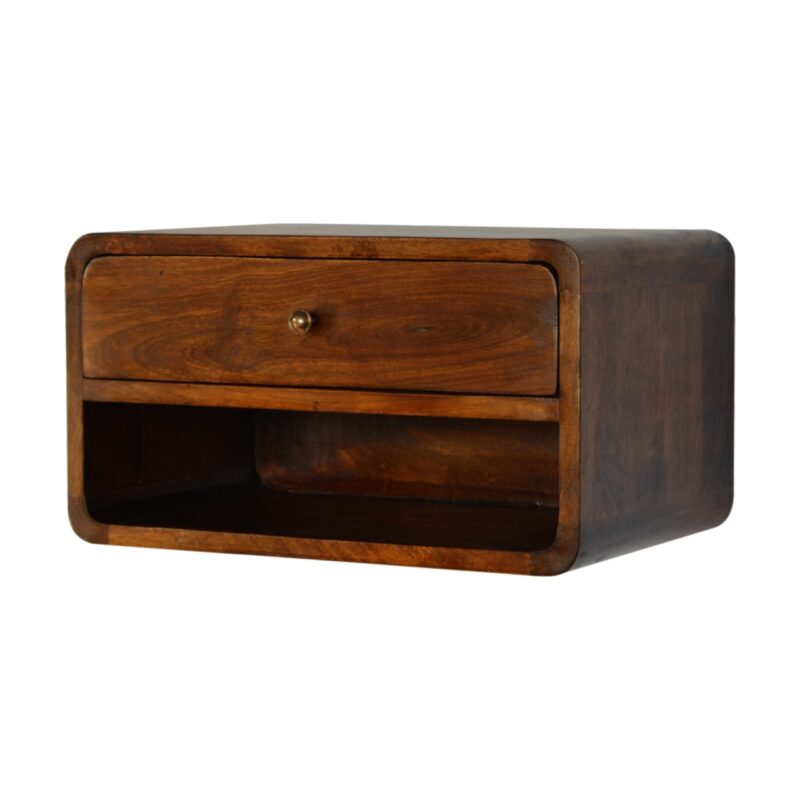
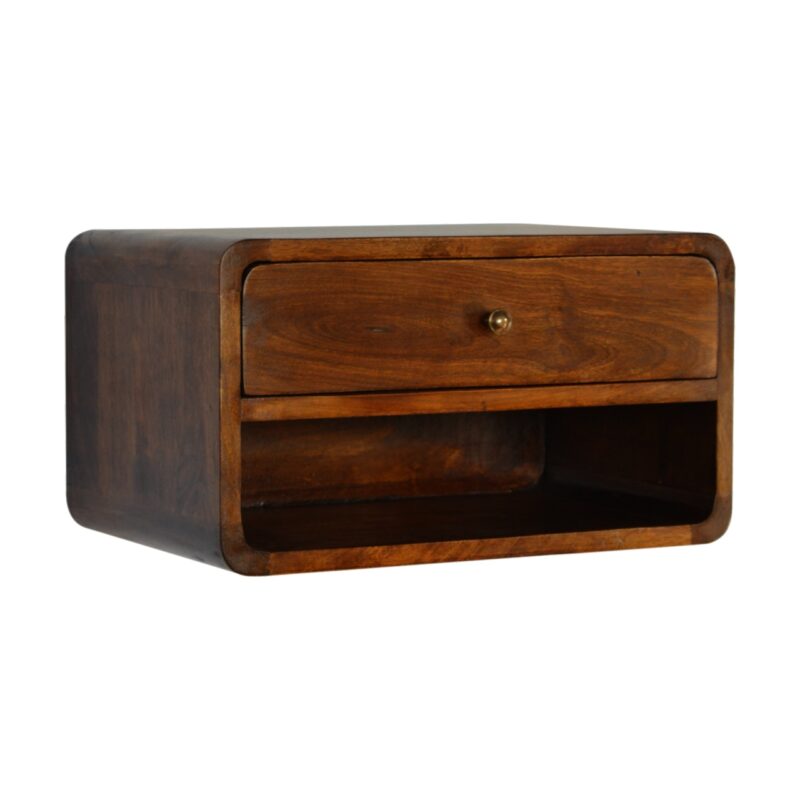
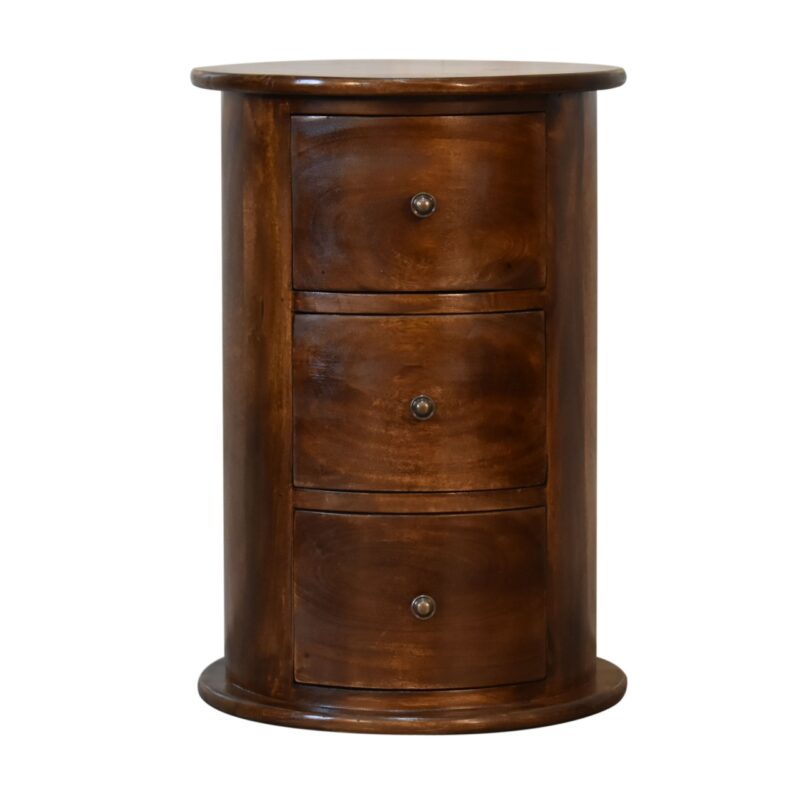
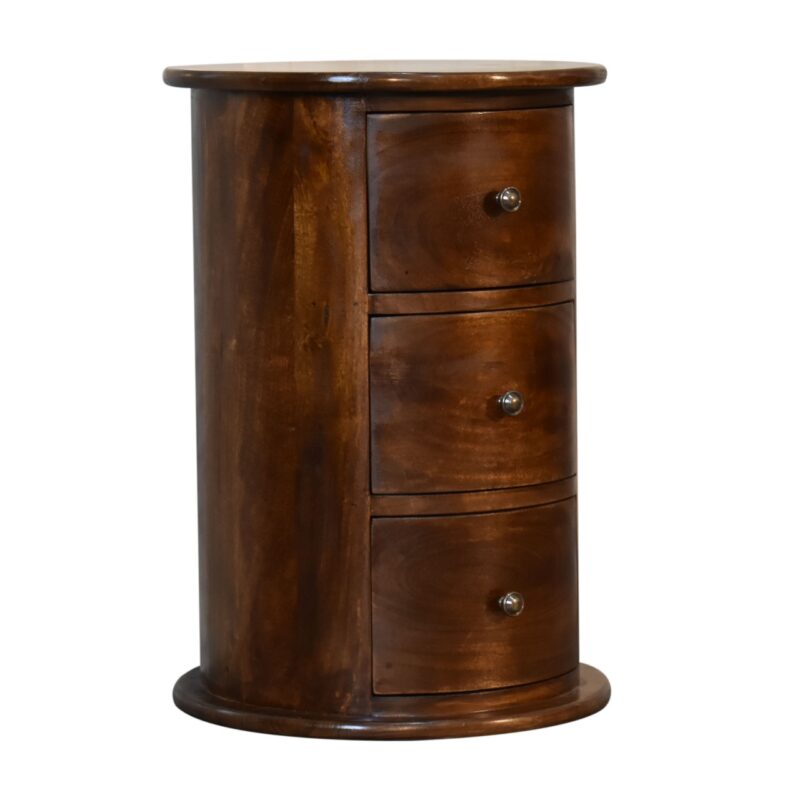
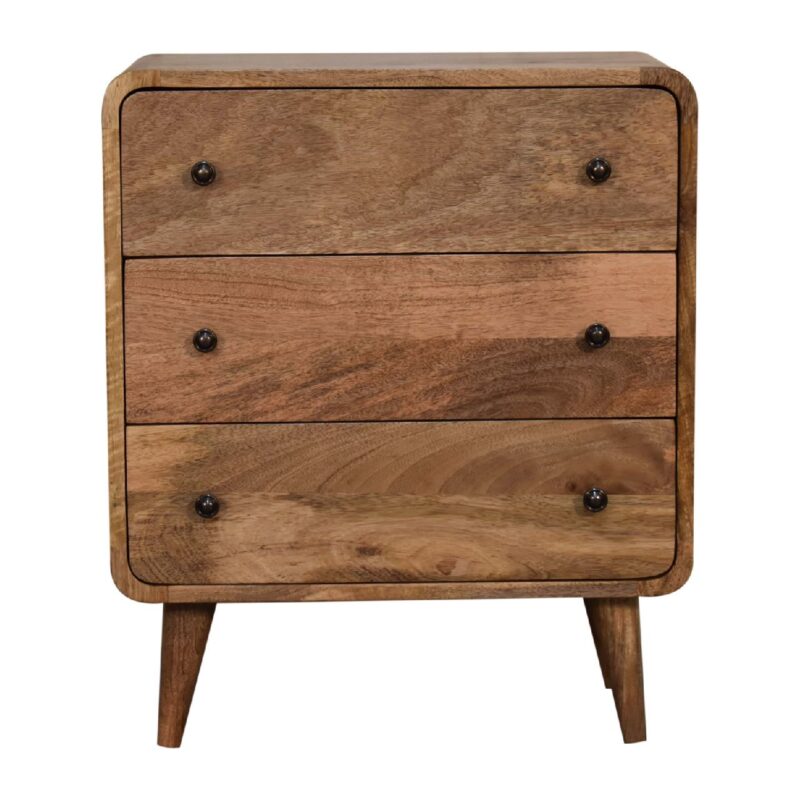
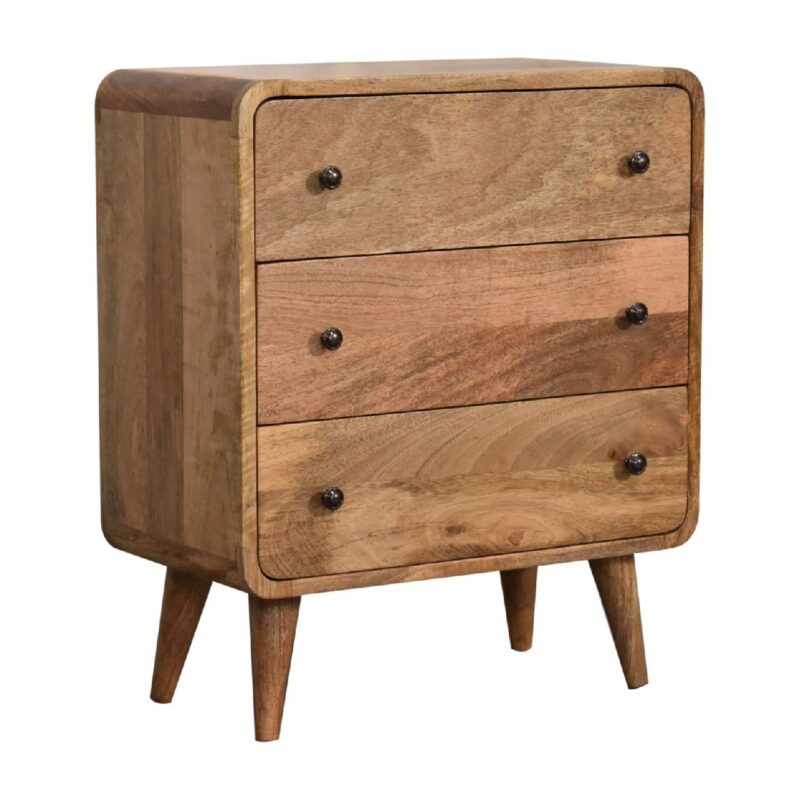
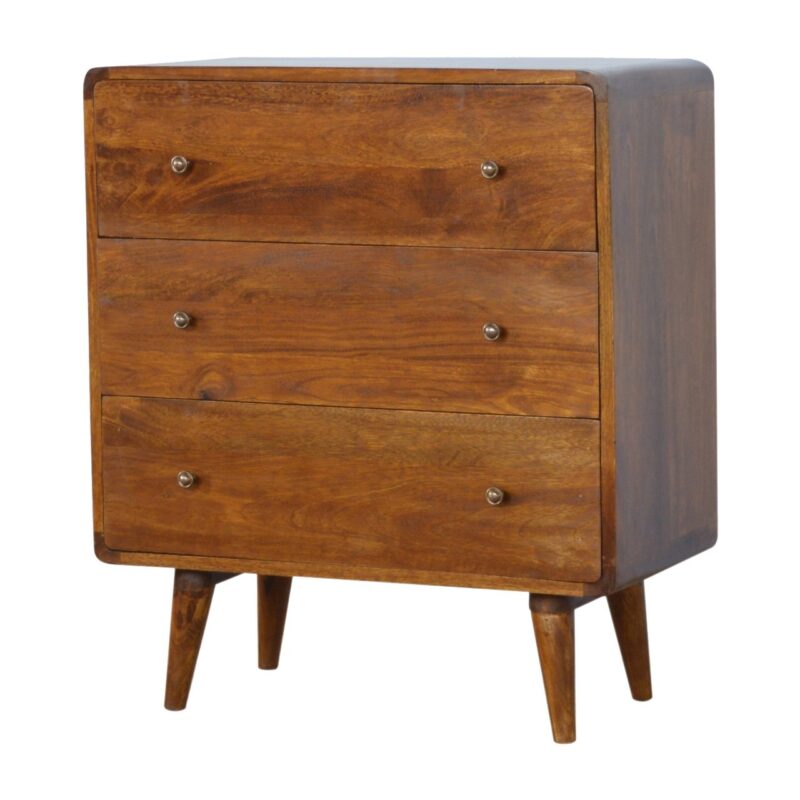
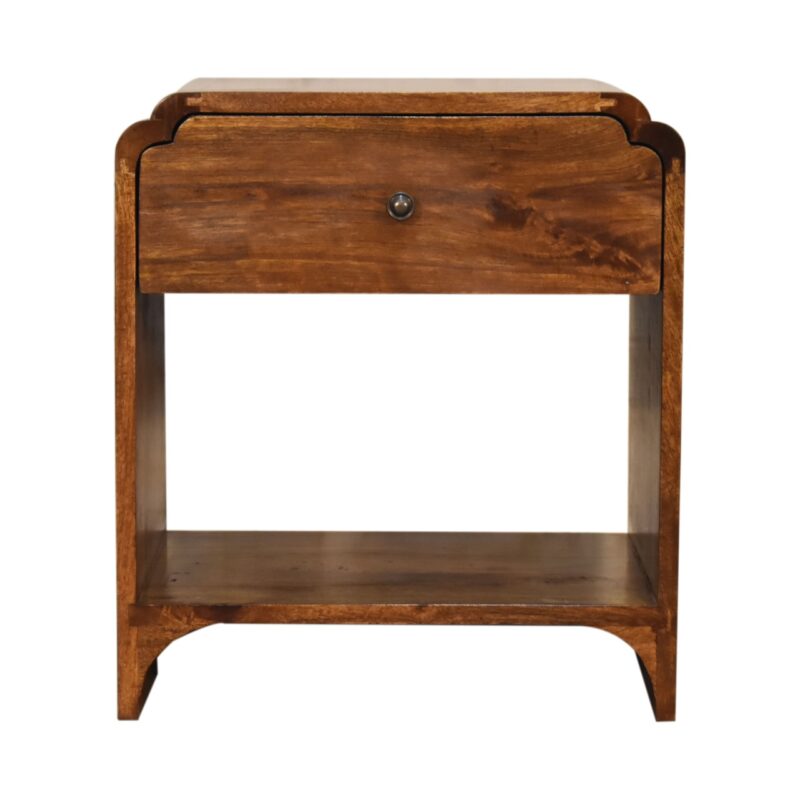
Even the best desk and chair cannot compensate for a workspace buried under paperwork, cables, and random accessories. Thoughtful storage turns visual noise into a calm, ordered backdrop for concentration. By separating long-term archives from daily essentials, you avoid rifling through piles every time you need a single document. Open shelves keep frequently used items visible, while closed cabinets and drawers hide anything that would otherwise make the room feel cramped or chaotic.
Smart Home Office Storage Ideas
- Vertical bookcases: Use wall height rather than floor space to store folders, binders, and reference books.
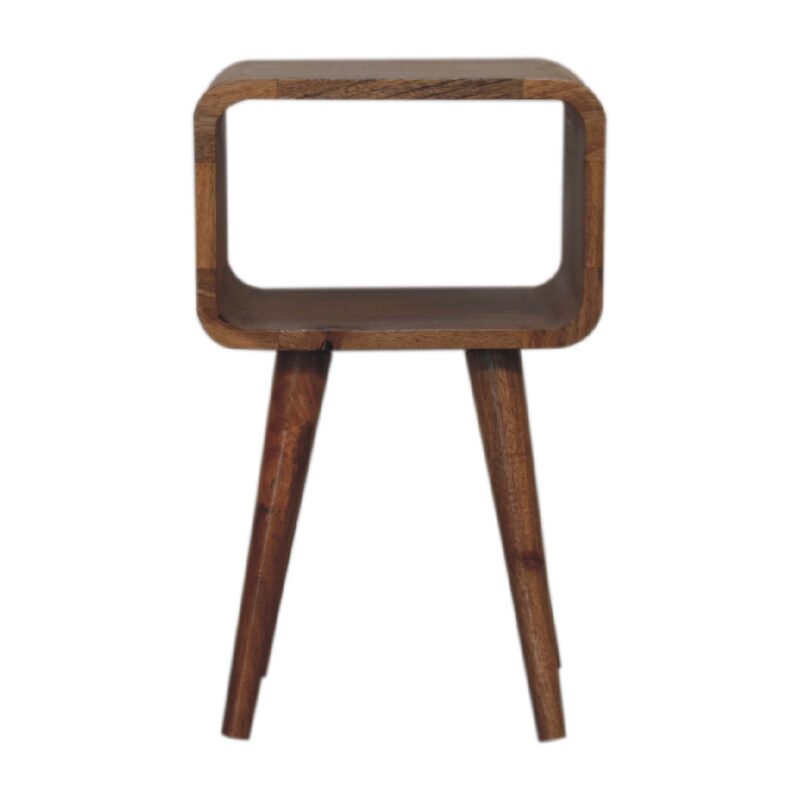
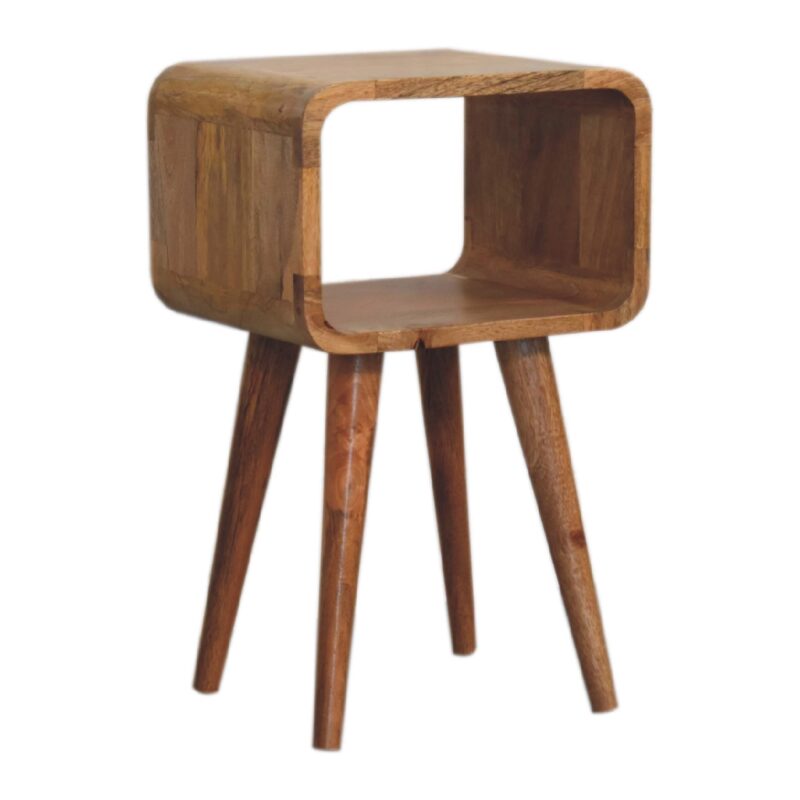
- Modular cubes: Combine open squares for decor with boxes or baskets for stationery and tech accessories.
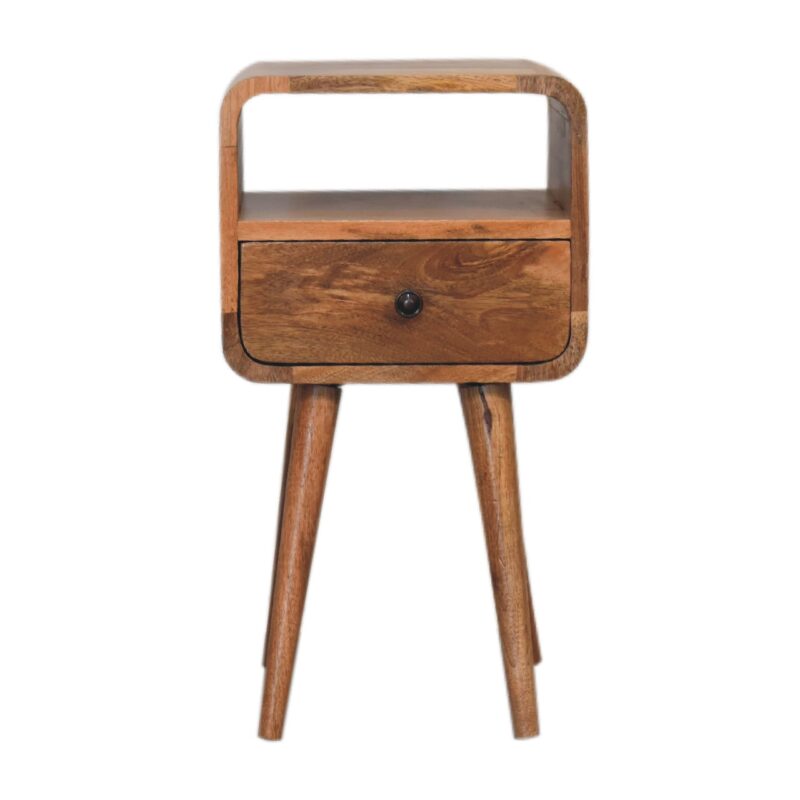
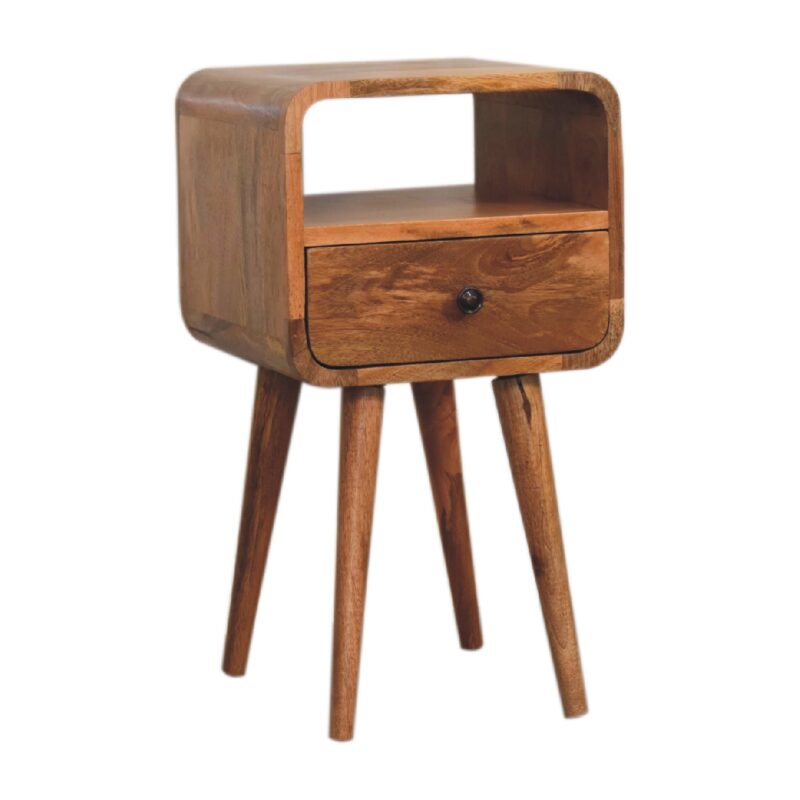
- Under-desk units: Slim drawer blocks that slide beneath the worktop to keep everyday items within reach.
- Closed cabinets: Doors or deep drawers to conceal printers, routers, and bulky equipment when not in use.
- Zoned organisation: Dedicated areas for admin, creative tools, and personal items so everything has a clear home.
Defining Differences: Retro vs Contemporary
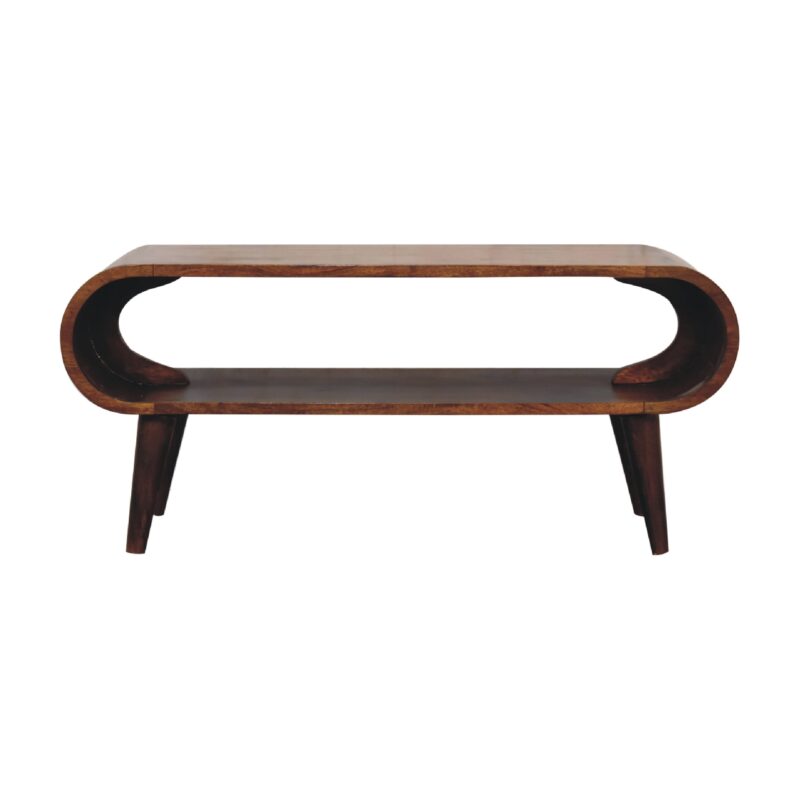
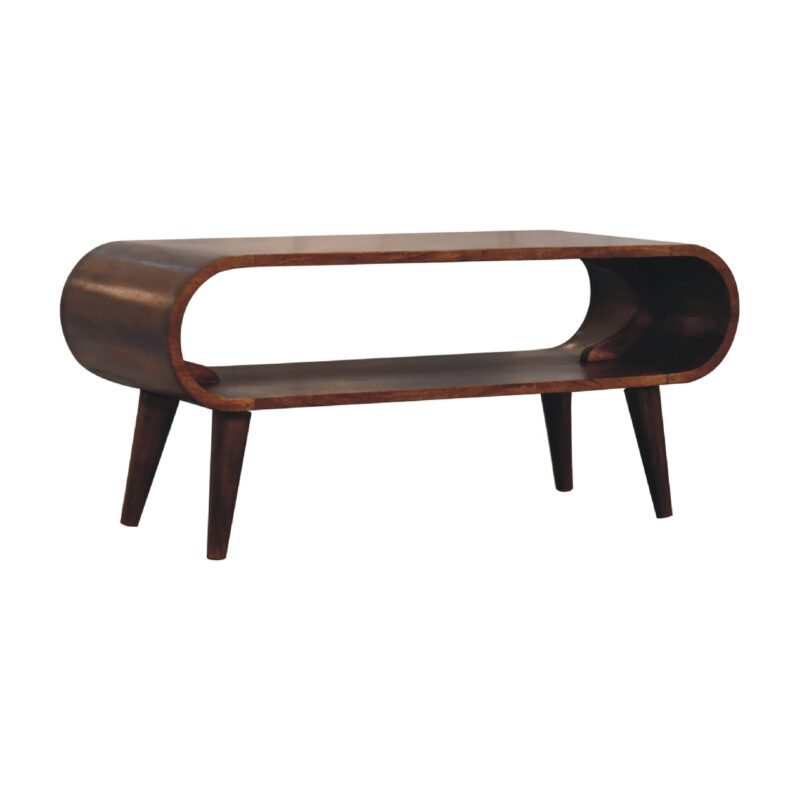
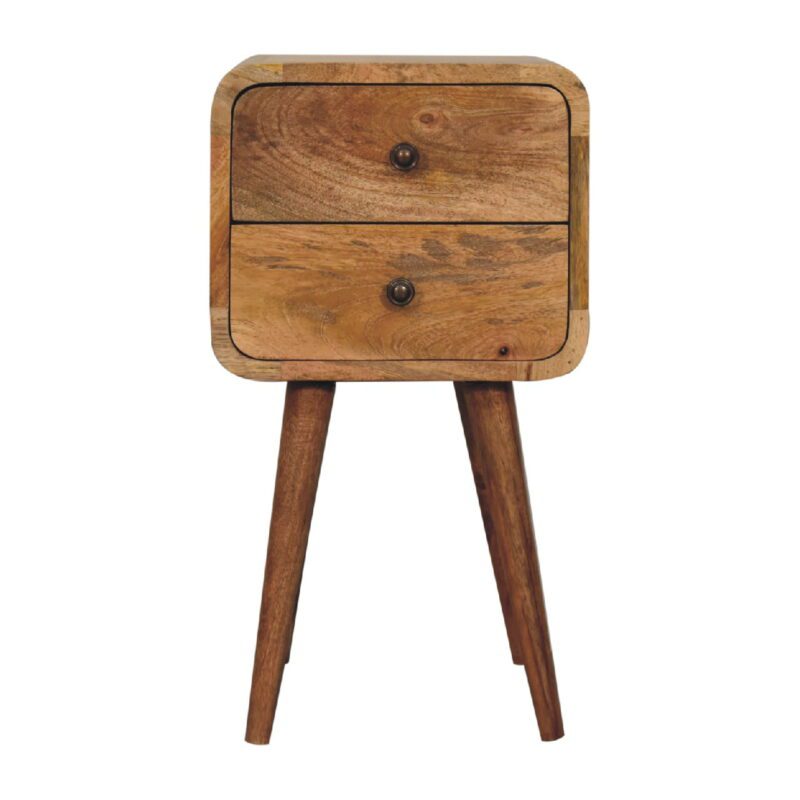
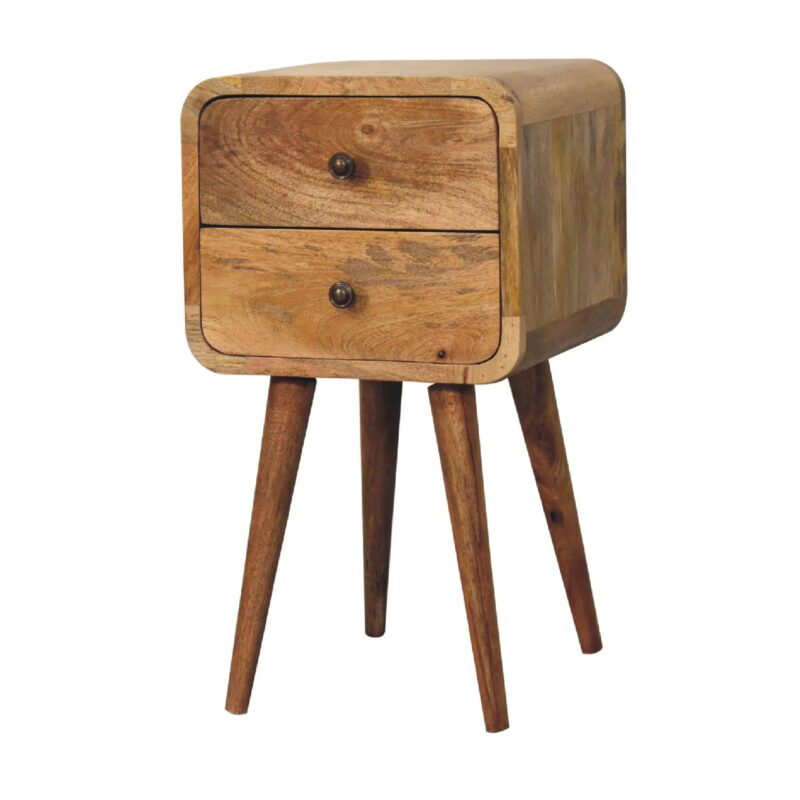
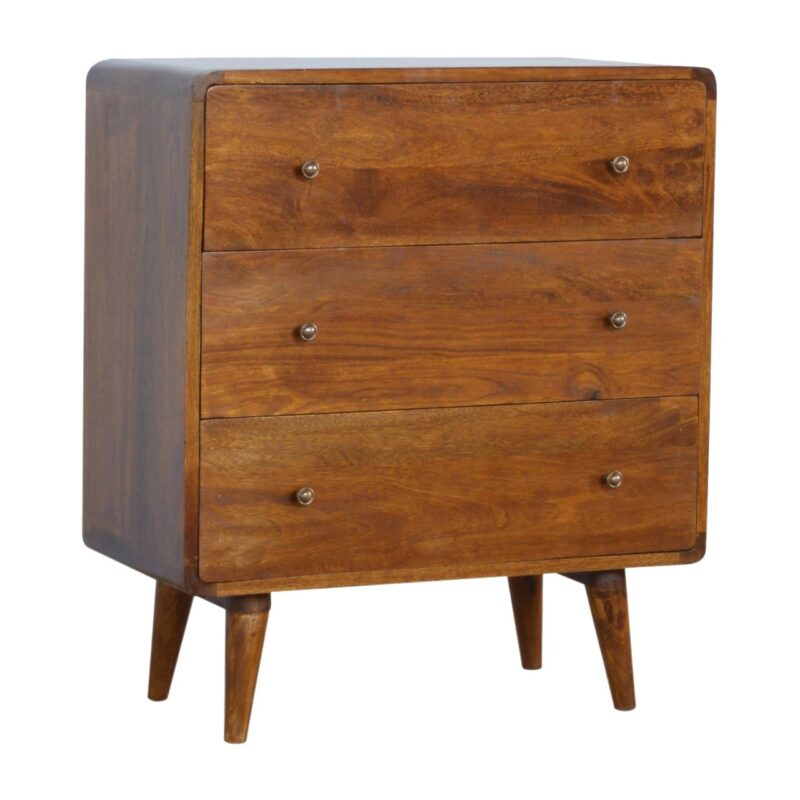
Understanding the difference between true mid-century style and general modern furniture helps you make the right choice for your decor theme. While both value simplicity, they achieve it in very different ways. For instance, while retro designs favour organic curves, newer trends often lean towards cleaner structures like a minimalist white ladder unit. The table below compares a Mid Century Modern bookshelf with a standard contemporary white unit to help you decide which aesthetic aligns with your vision.
Comparing Design Eras
This guide highlights the distinct differences between retro charm and modern minimalism.
| Feature | Mid Century Modern Bookshelf | Contemporary Modern Bookshelf | Vibe |
|---|---|---|---|
| Material | Warm woods (Walnut, Teak, Oak) | Painted MDF (White, Grey), Metal, Glass | MCM: Organic & Cosy |
| Base | Tapered, angled legs (elevated) | Plinth base or flat to floor | MCM: Light & Airy |
| Shape | Rounded corners, asymmetric layouts | Sharp 90-degree angles, symmetrical | MCM: Soft & Sculptural |
| Best For | Adding character and warmth | Blending into the background | MCM: Statement Piece |
Investing in Your Digital Future
Creating a professional environment at home is the first step towards scaling your business. Just as you need a solid physical foundation for your office, you need a robust digital foundation for your brand. Many of our clients are e-commerce owners who understand that quality infrastructure—whether it is a solid oak desk or a high-performance website—pays dividends in the long run. If you are looking to build or upgrade your online sales platform to match your new professional setup, check out https://sklepinternetowywordpress.pl/ for expert solutions. By aligning your physical workspace with your digital ambitions, you set the stage for sustainable success.
How useful was this post?
Click on a star to rate it!
0/5 (0 reviews)
No votes so far! Be the first to rate this post.