
Blog
Where Does a Hallway Cloakroom Cupboard Fit in Your Home Layout?
Cloakrooms serve a specific purpose that differs from standard hallways. These compact spaces near entrances handle the immediate storage needs of arriving guests and family members. A hallway cloakroom cupboard maximises limited floor space by providing vertical storage that keeps outdoor clothing, footwear, and accessories organised without cluttering walkways. Unlike open hooks that expose everything to view, enclosed cupboards maintain a tidy appearance even when storage reaches capacity. They're particularly valuable in homes where the cloakroom doubles as a guest toilet area, keeping personal items discreetly hidden behind closed doors whilst maintaining easy access for daily use.
The Transformation: Freestanding vs. Fitted
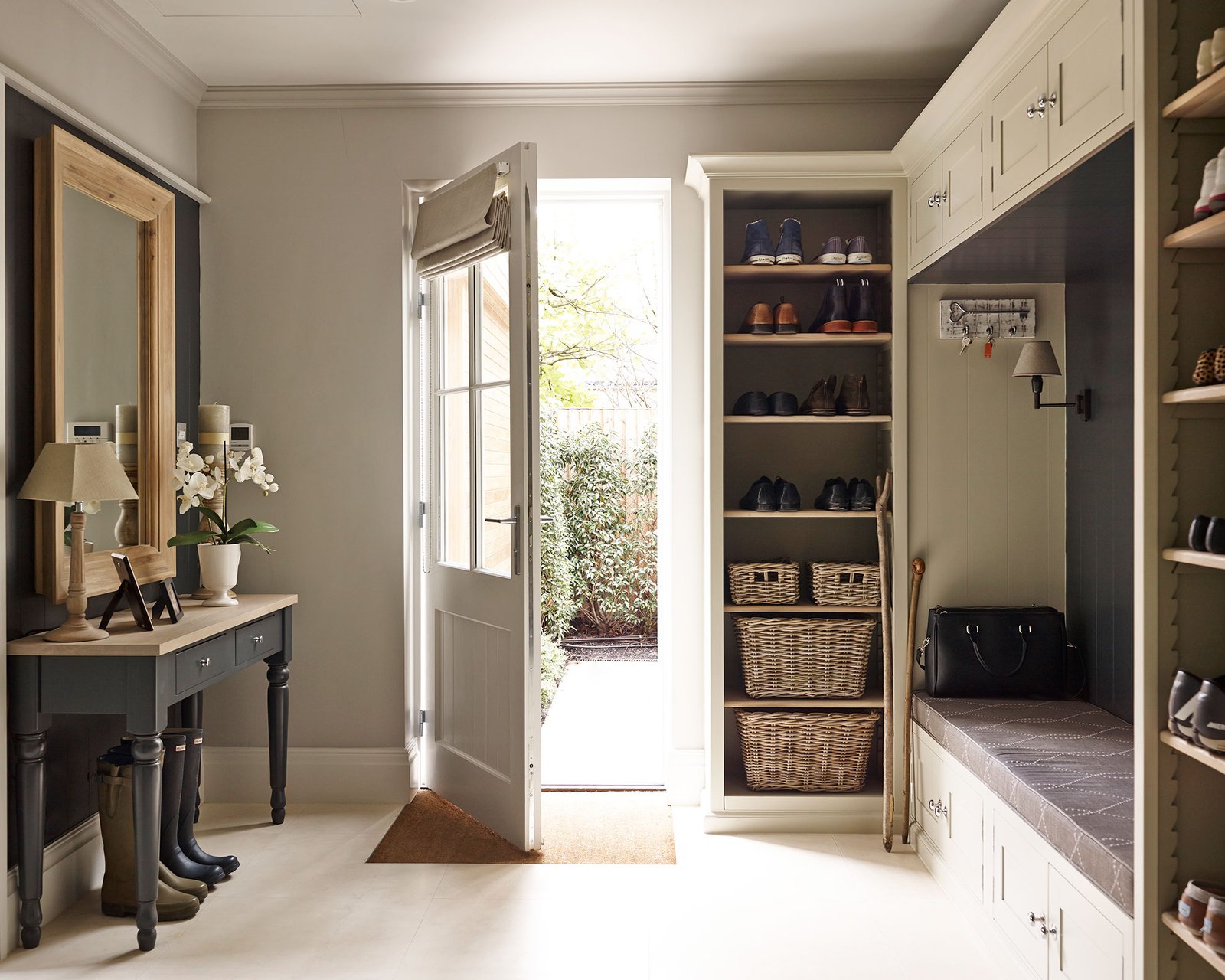
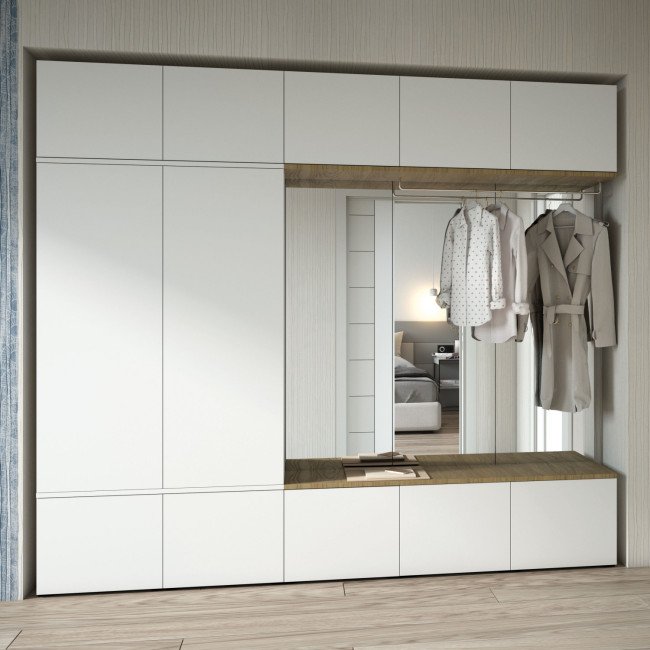
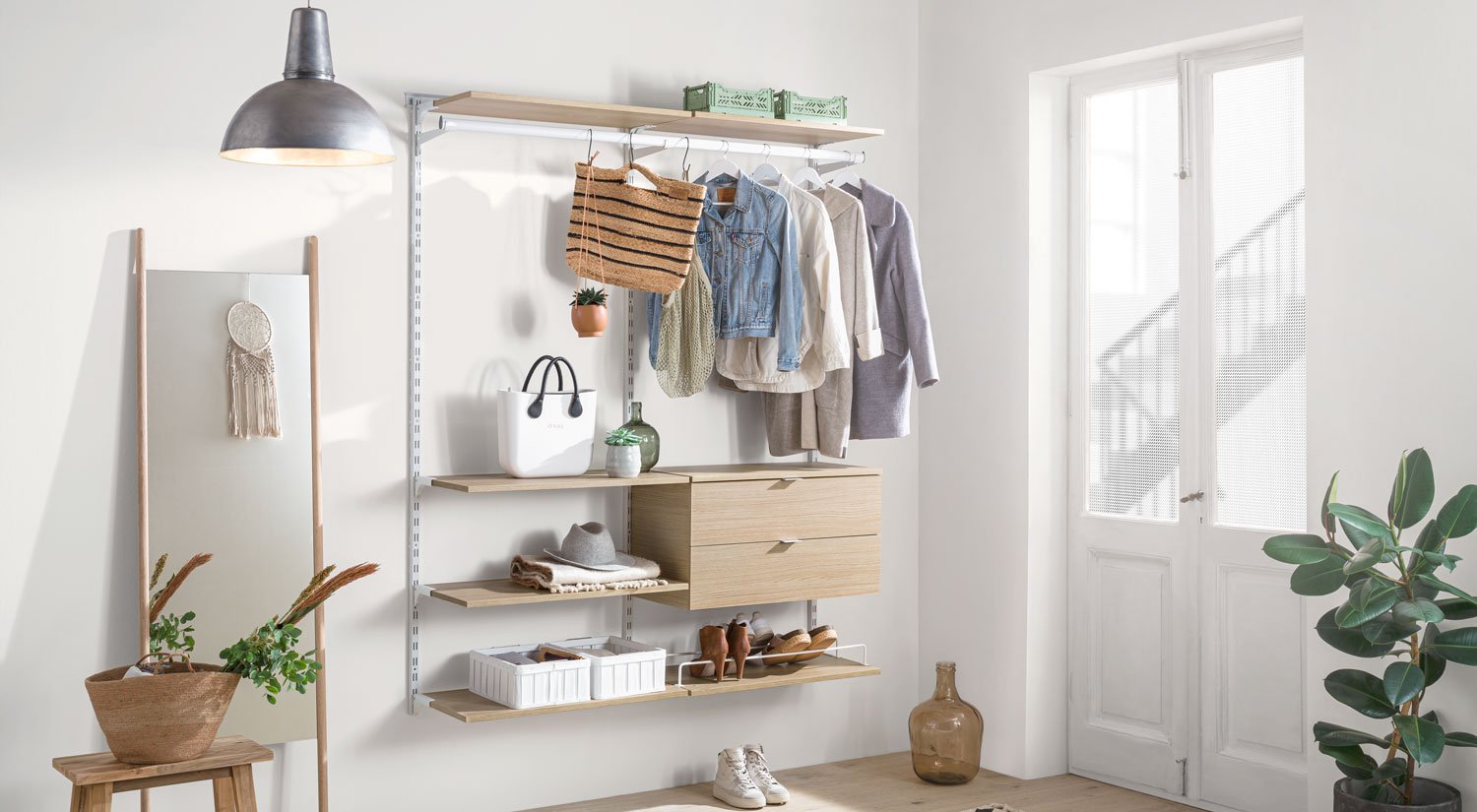
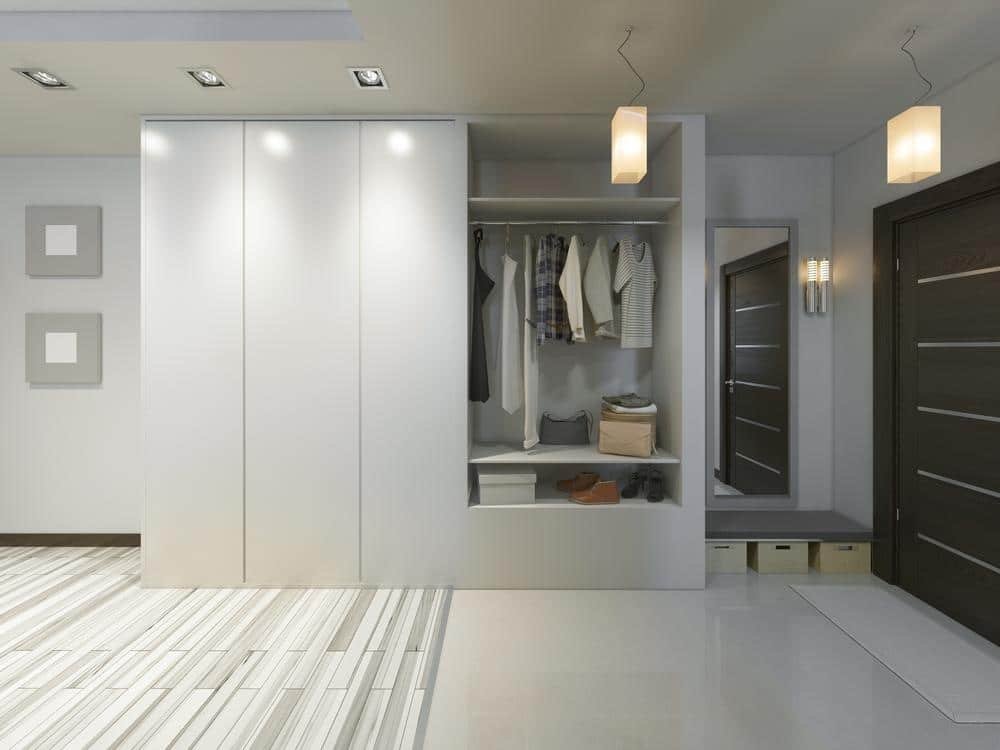
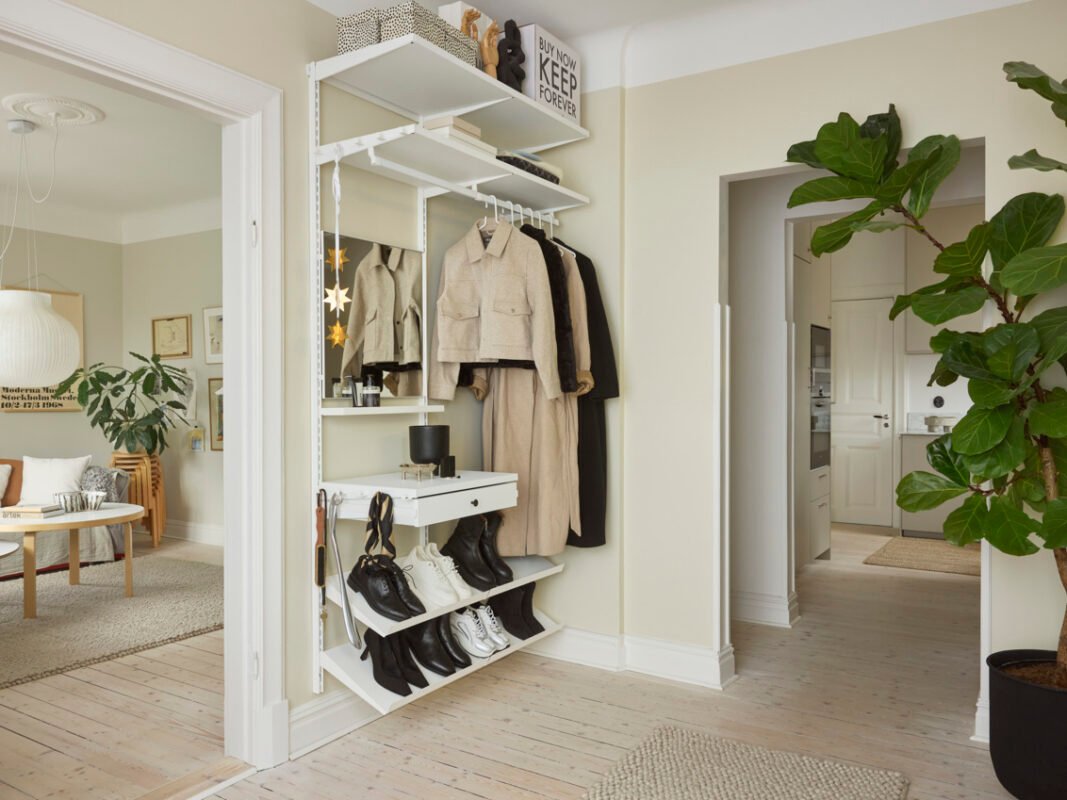
Cloakrooms typically measure 1.5-2 metres wide, leaving minimal room for bulky furniture. Vertical storage becomes essential in these tight spaces. Floor-to-ceiling cupboards utilise height instead of claiming valuable floor area. Narrow-depth designs measuring 35-40cm provide adequate coat hanging without protruding into walkways. Multi-level compartments separate frequently used items from seasonal storage. Upper shelves house rarely needed accessories, middle sections hold everyday coats, and lower areas store shoes and boots. This layered approach ensures maximum capacity without overwhelming the limited square footage available, as demonstrated by white dressing units with vertical organisation.
Space-Saving Cloakroom Features
- Shallow depth construction: 35-40cm deep units save floor space whilst accommodating standard coat hangers
- Ceiling-height design: Maximises vertical storage potential in rooms with limited width
- Sliding or bi-fold doors: Eliminates swing space requirements in extremely tight cloakrooms
- Internal tiered shelving: Separates items by usage frequency for efficient daily access
- Compact shoe racks: Angled or tiered designs store 8-10 pairs in minimal vertical space
Why a Hallway Cloakroom Cupboard Suits Guest-Ready Homes
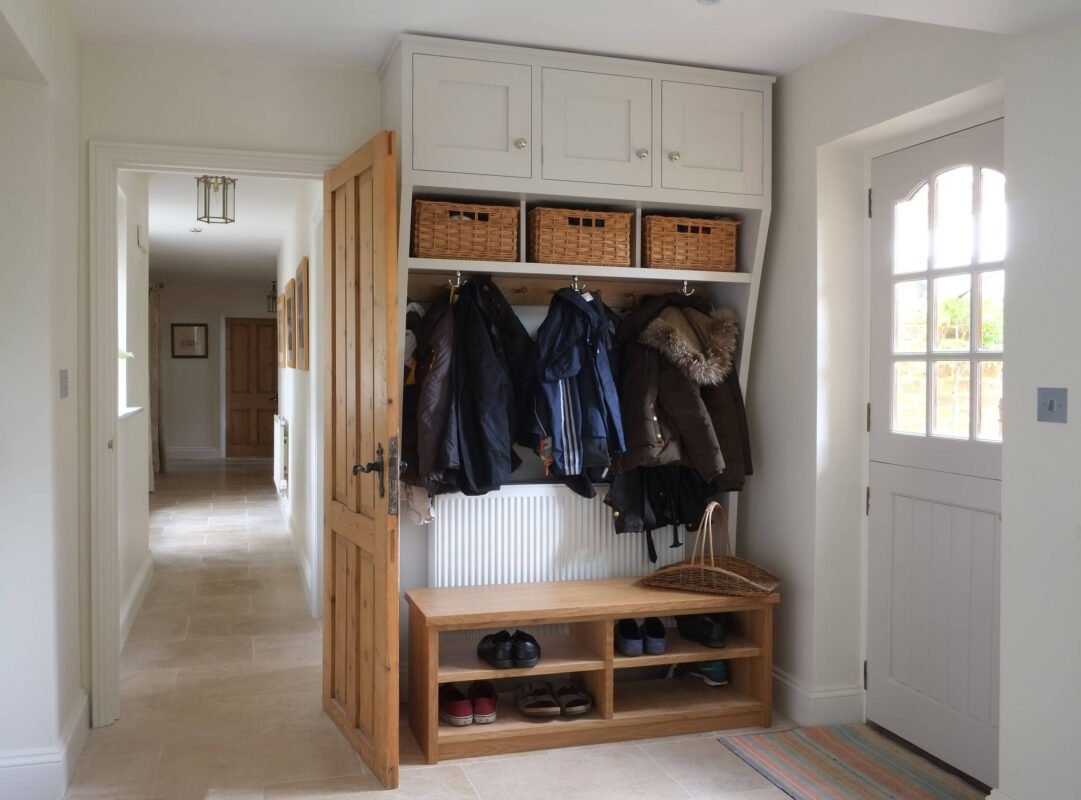
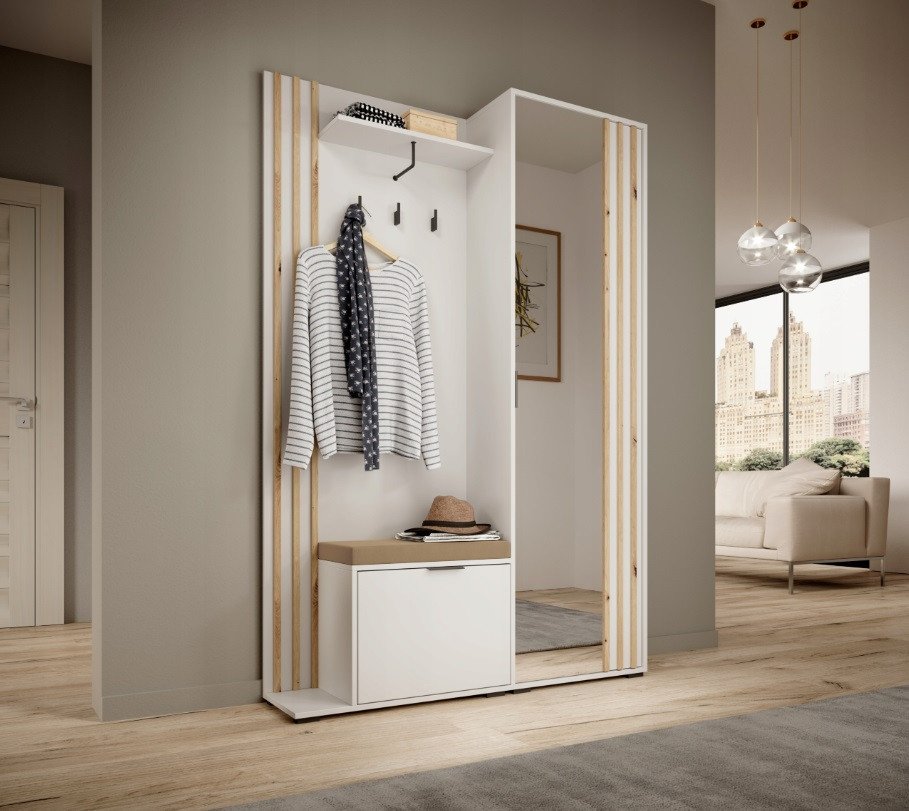
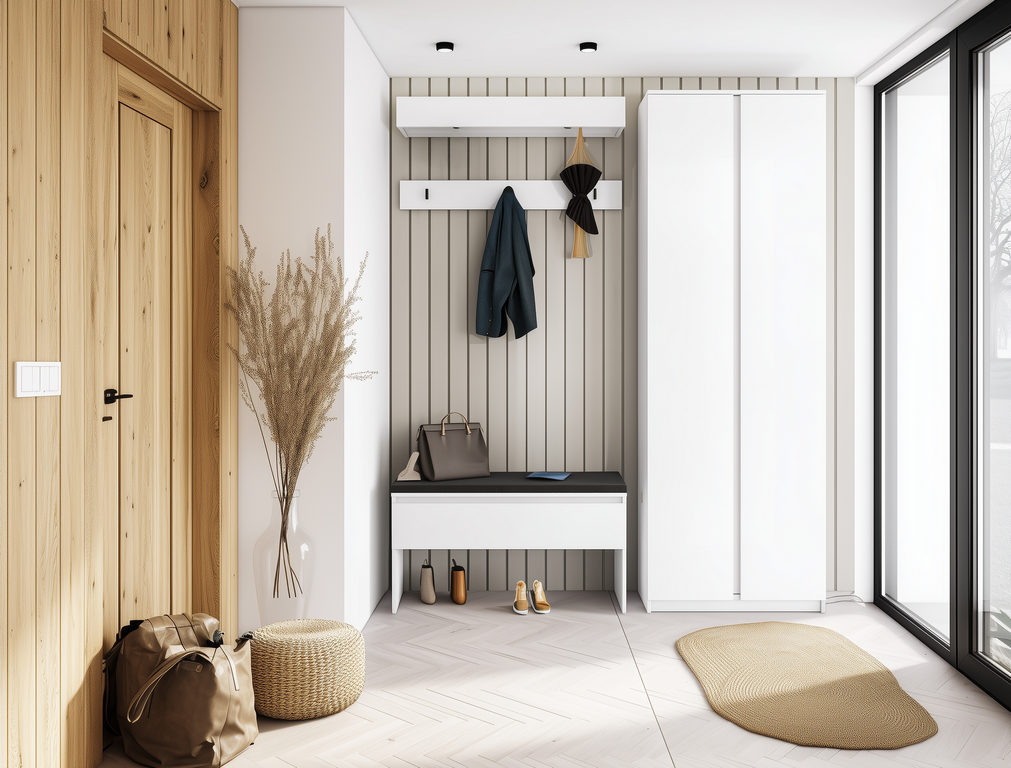
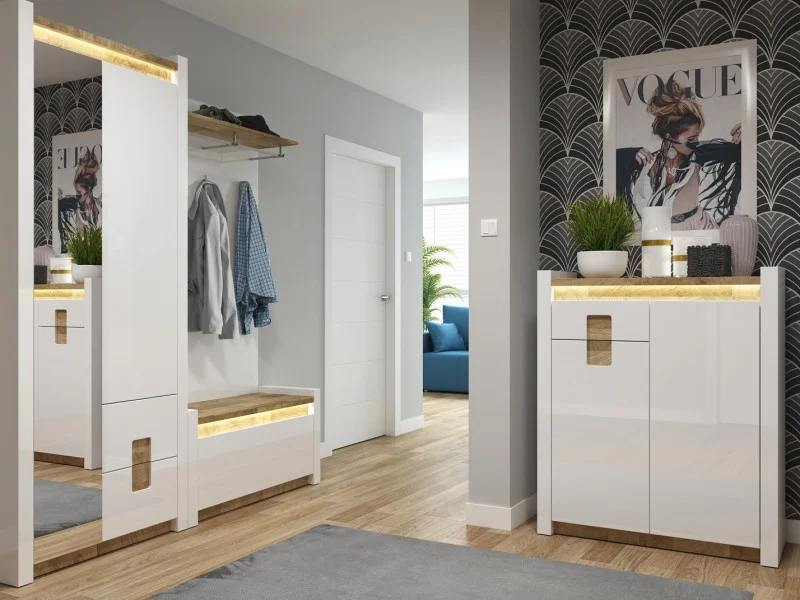
Many UK homes combine cloakrooms with downstairs toilets, creating dual-purpose spaces that guests frequently use. A hallway cloakroom cupboard keeps personal items like family coats and everyday shoes hidden from visitors. Enclosed storage maintains the polished appearance that guest-facing spaces require. Unlike open shelving that displays clutter, closed cupboards present clean surfaces and tidy sightlines. Quick-access compartments store guest towels, toilet supplies, and cleaning products discreetly. This separation between family storage and guest presentation proves particularly valuable during social gatherings when multiple visitors need toilet access throughout the evening, especially with streamlined white wardrobe storage.
Guest-Friendly Storage Comparison
| Storage Type | Open Shelving | Enclosed Cupboard |
|---|---|---|
| Guest Impression | Personal items visible, cluttered appearance | Clean presentation, organised aesthetic |
| Privacy | Everything exposed to view | Family belongings hidden behind doors |
| Dust Protection | Items collect dust quickly | Protected from bathroom moisture and dust |
| Maintenance | Requires constant tidying for guests | Always guest-ready regardless of contents |
Selecting Moisture-Resistant Materials for Cloakroom Cupboards
Cloakrooms attached to toilets face humidity challenges that standard hallways don't encounter. Steam from handwashing and toilet use increases moisture levels that damage inappropriate materials. Solid wood swells and warps in damp conditions unless properly treated. Melamine-coated boards resist moisture penetration better than unprotected MDF. Painted finishes require wipeable surfaces that handle condensation without peeling. Adequate ventilation prevents mould growth on stored clothing. Metal components need rust-resistant coatings to withstand bathroom humidity long-term, making proper material selection crucial when choosing an entrance hall wardrobe solution.
Material Suitability for Humid Spaces
Highly recommended materials: Melamine laminate boards, moisture-resistant MDF with sealed edges, painted solid wood with waterproof finish. These handle bathroom humidity without warping or deteriorating over 10+ years.
Suitable with precautions: Standard MDF requires edge sealing and regular ventilation. Veneer finishes need protective coating. Metal frames must have powder-coated or chrome finish to prevent rust formation.
Avoid in damp cloakrooms: Untreated particle board absorbs moisture rapidly causing structural failure. Raw wood without sealant warps within months. Fabric-covered surfaces develop mould and musty odours from humidity exposure.
Comparing Hallway Cloakroom Cupboard Configurations and Styles
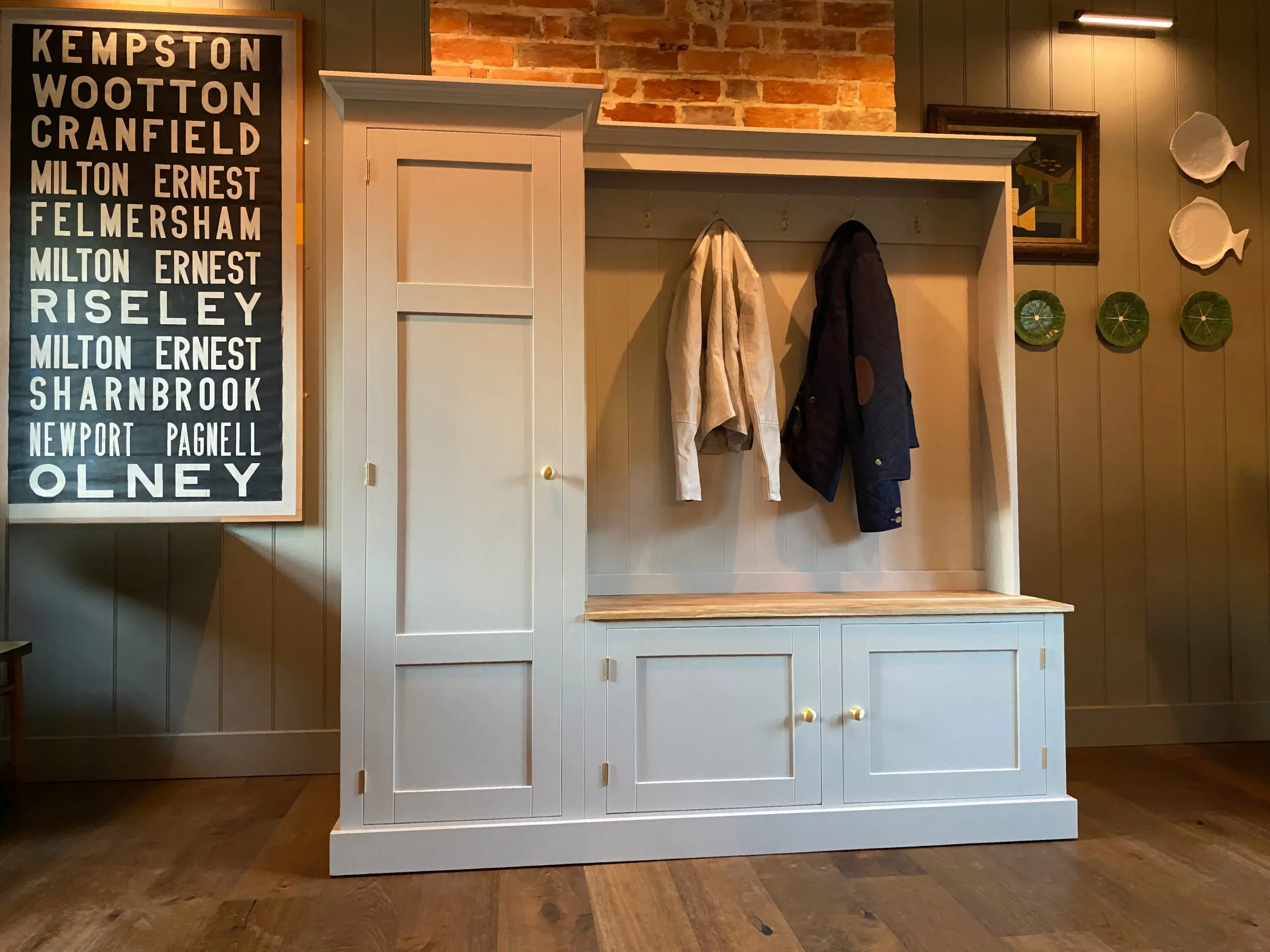
Once you've decided a dedicated cupboard suits your cloakroom, selecting the right configuration becomes crucial. Freestanding units offer flexibility for renters or those who redecorate frequently. Built-in systems maximise awkward alcoves that standard furniture cannot utilise effectively. Door styles affect both aesthetics and practicality—hinged options provide full interior access, whilst sliding designs save valuable clearance space in tight cloakrooms. Understanding these configuration differences helps you invest in storage that genuinely serves your cloakroom's unique dimensions and daily demands, as outlined in our guide to wardrobes for coat storage in hallways.
Hallway Cloakroom Cupboard Design Options
This table compares popular hallway cloakroom cupboard configurations to help you choose the ideal solution for your compact space.
| Cupboard Type | Best For | Key Advantages | Considerations |
|---|---|---|---|
| Freestanding Floor Unit | Renters, flexible arrangements | Portable, no installation required, wide style variety available | May leave gaps at walls; less space-efficient than fitted options |
| Built-In Alcove System | Homeowners, awkward spaces | Custom fit, floor-to-ceiling storage, maximises every centimetre | Permanent installation; requires professional fitting and measurement |
| Slim Sliding Door Cupboard | Very narrow cloakrooms | No swing space needed, sleek appearance, space-saving design | Access only half interior at once; track requires regular cleaning |
| Corner Configuration | L-shaped cloakrooms | Utilises dead corner space, increases total storage capacity | More expensive; requires precise measurement and professional fitting |
Create an Organised and Guest-Ready Cloakroom Space
A hallway cloakroom cupboard maximises compact spaces by providing vertical storage that keeps personal items discreetly hidden from guests. You've discovered how shallow-depth designs (35-40cm) save floor space whilst accommodating coat storage, and why enclosed cupboards maintain guest-ready presentation in dual-purpose toilet areas. Material selection matters—melamine laminate and moisture-resistant MDF withstand bathroom humidity that damages untreated wood. Configuration options range from portable freestanding units for renters to built-in alcove systems that utilise awkward corners. Whether choosing sliding doors for tight spaces or corner configurations for L-shaped rooms, the right cloakroom cupboard transforms limited square footage into organised, functional storage that serves both family and visitors effectively. Explore our full collection of wardrobes designed for hallways and cloakrooms today.
How useful was this post?
Click on a star to rate it!
0/5 (0 reviews)
No votes so far! Be the first to rate this post.