
Inspiration

Best Oak Shoe Cabinet Designs for Durable Home Storage

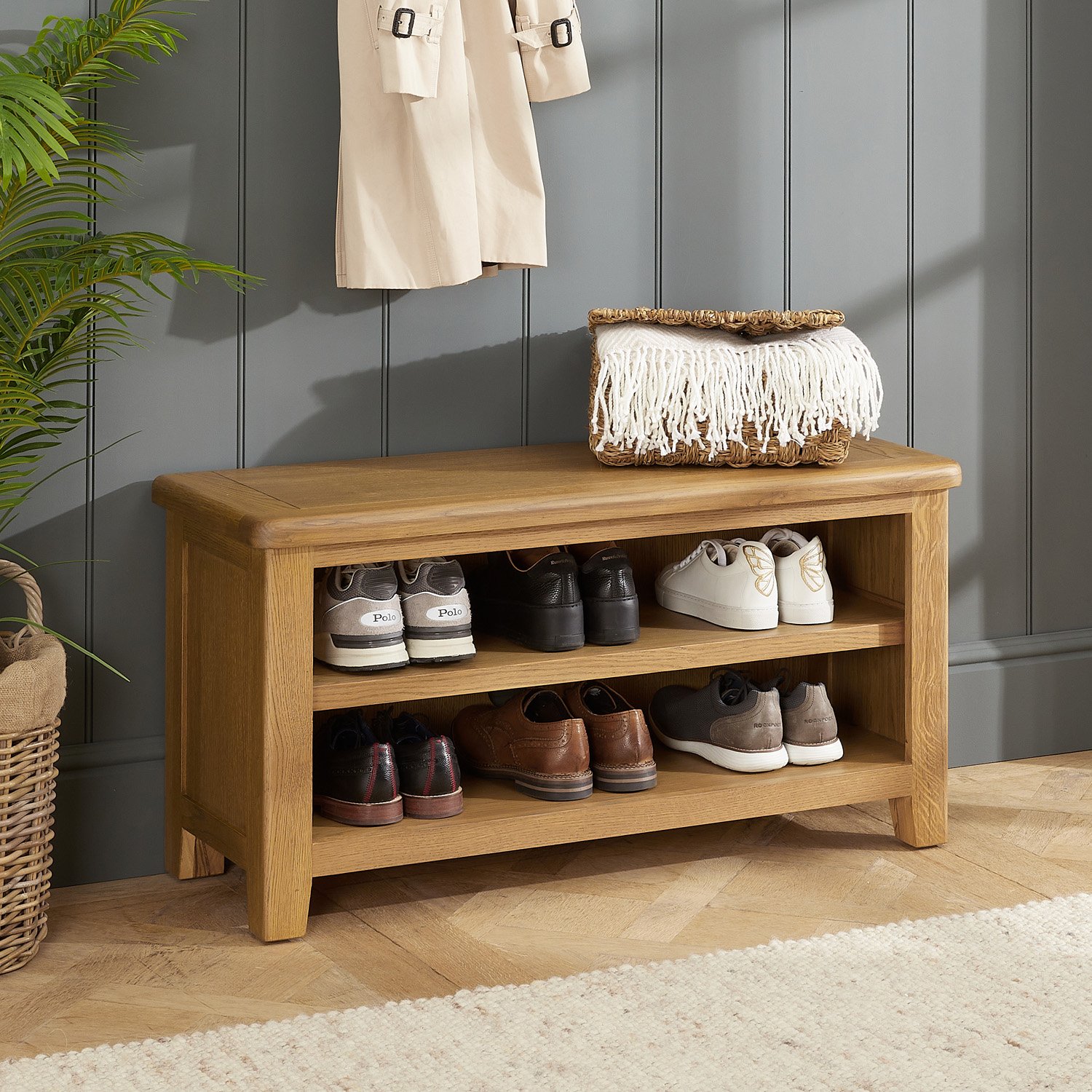
Investing in furniture that withstands the test of time is a priority for many homeowners, and nothing says durability quite like solid wood. An oak shoe cabinet is more than just a storage unit; it is a robust piece of craftsmanship that brings organic warmth and character to your hallway. In this guide, you will discover why oak remains the premier choice for high-traffic entryways, how to distinguish between solid and veneered options, and which finish best protects the natural grain from wet British weather.

Why an Oak Shoe Cabinet is a Lifetime Investment

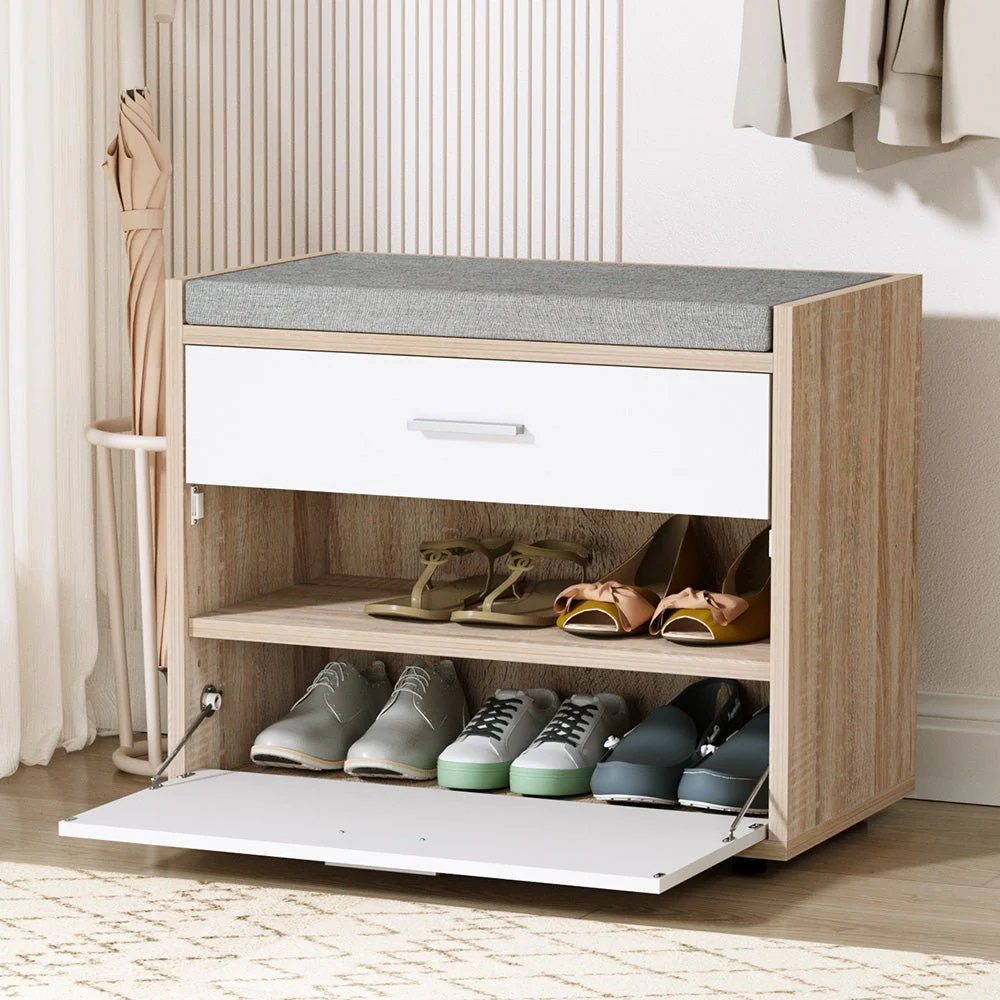
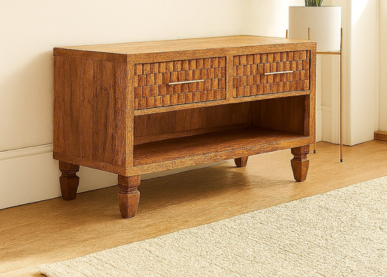
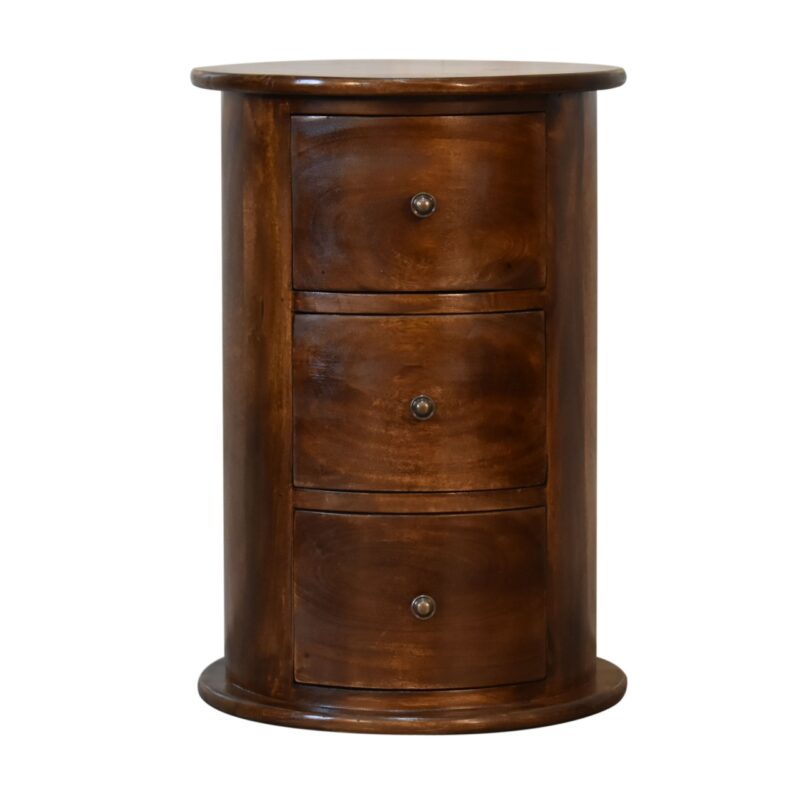
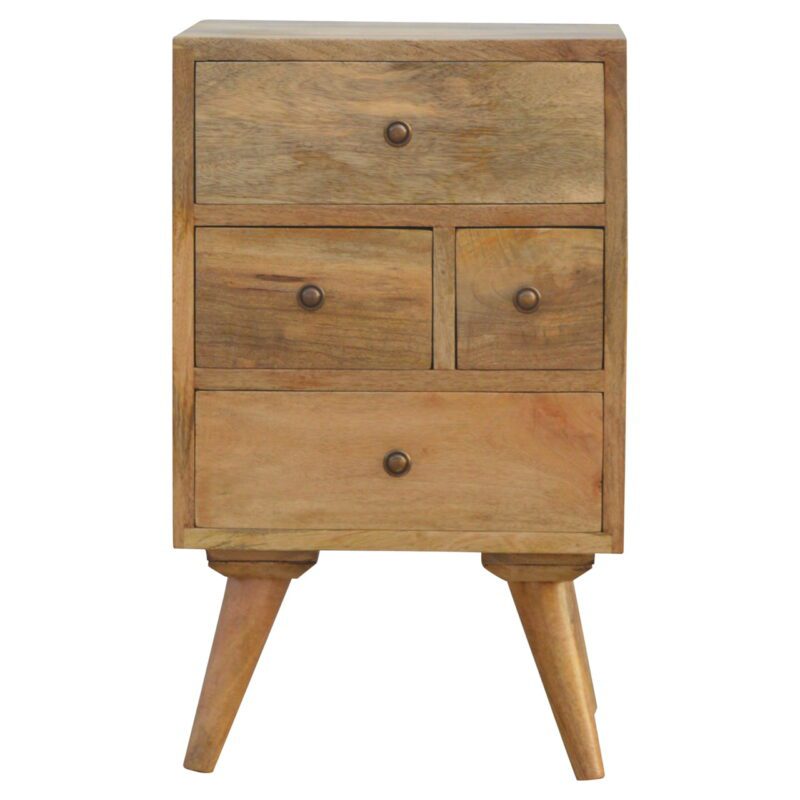
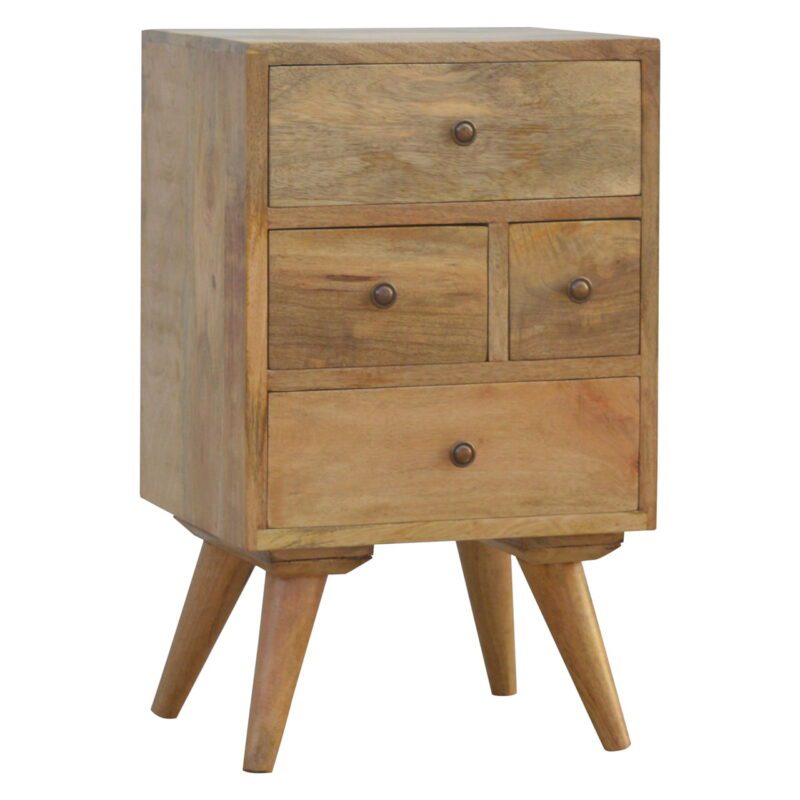
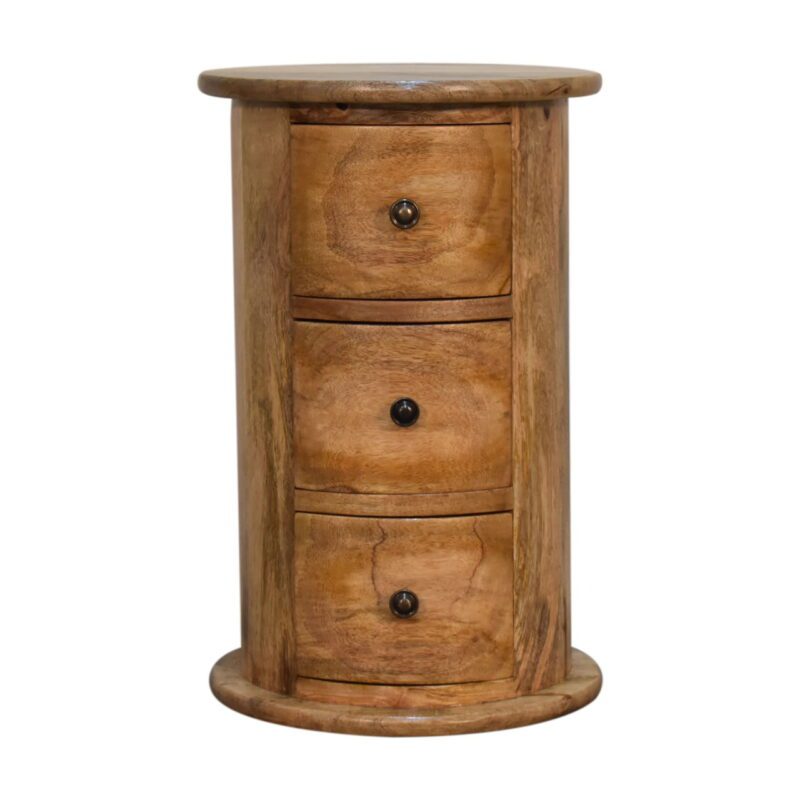
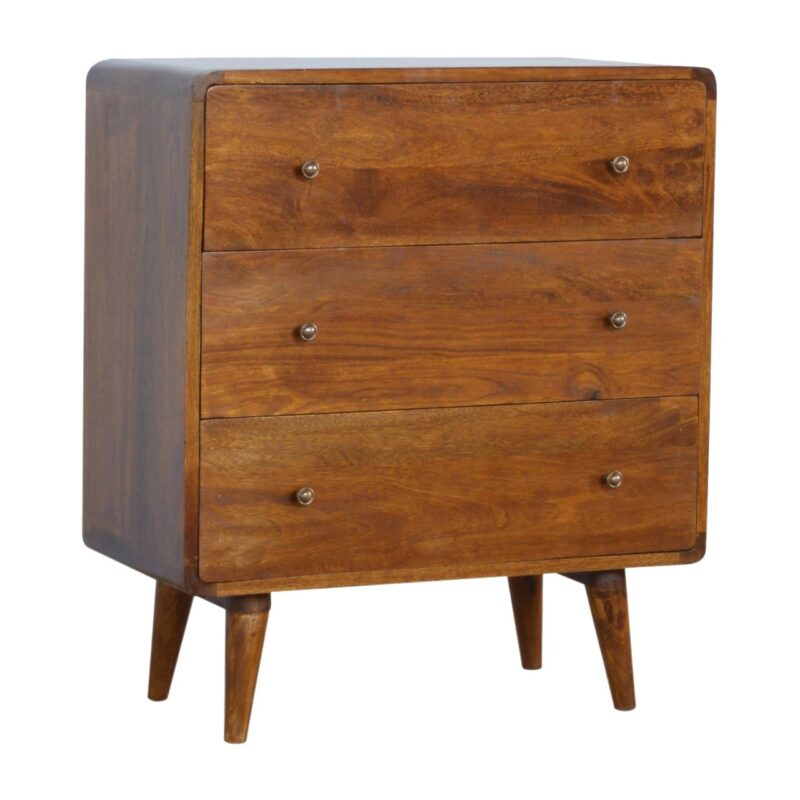
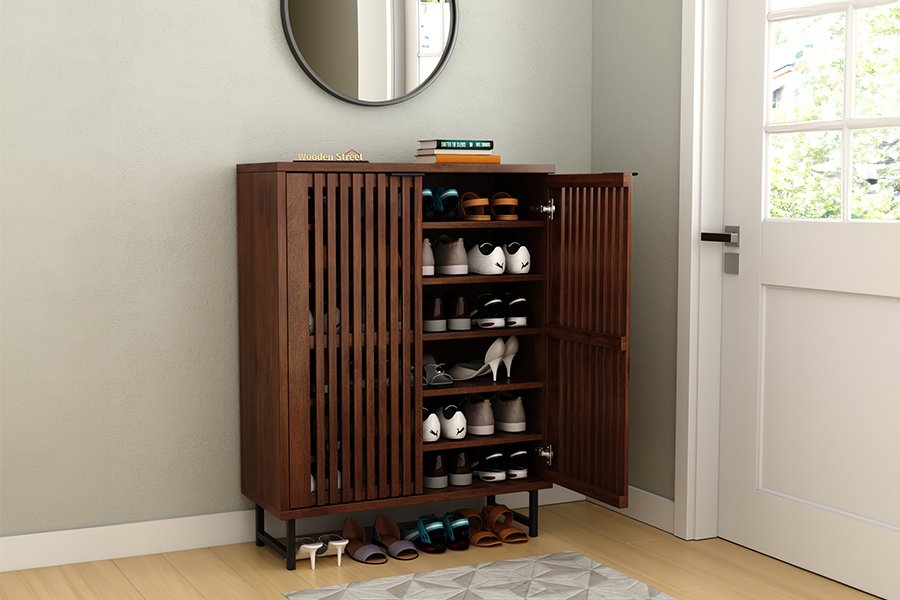
Unlike flat-pack particle board that can chip or swell with moisture, oak is a dense hardwood renowned for its incredible resilience. A high-quality unit can endure the daily abuse of muddy boots, heavy school bags, and constant door opening without losing its structural integrity. The natural grain patterns of oak mean that minor scuffs or scratches often blend in rather than standing out, and unlike synthetic materials, the wood can be sanded and refinished decades later, making it a truly sustainable choice for the eco-conscious household, comparable in quality to our sturdy Parma seating unit.

Longevity Features of an Oak Shoe Cabinet

  • Impact resistance: Dense grain withstands heavy knocks better than softwood or MDF
  • Refinishing potential: Solid surfaces can be sanded and oiled to remove years of wear
  • Moisture tolerance: Properly treated oak resists swelling from damp shoes better than laminate
  • Structural weight: Heavy construction ensures the unit stays stable and doesn't wobble
  • Aging beauty: The wood develops a rich, golden patina over time, improving its look

Selecting the Right Finish for Your Hallway

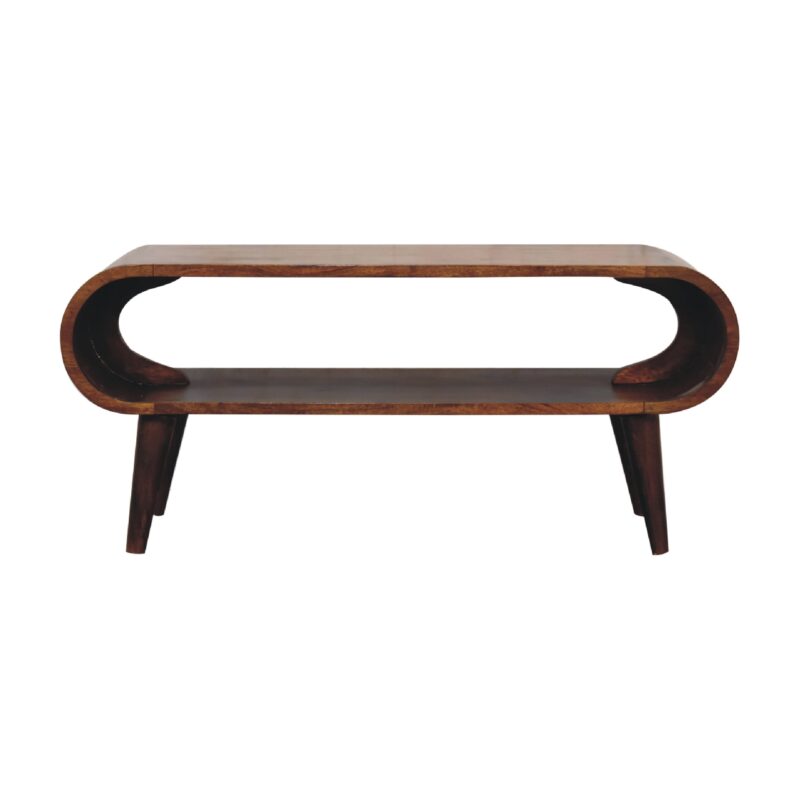
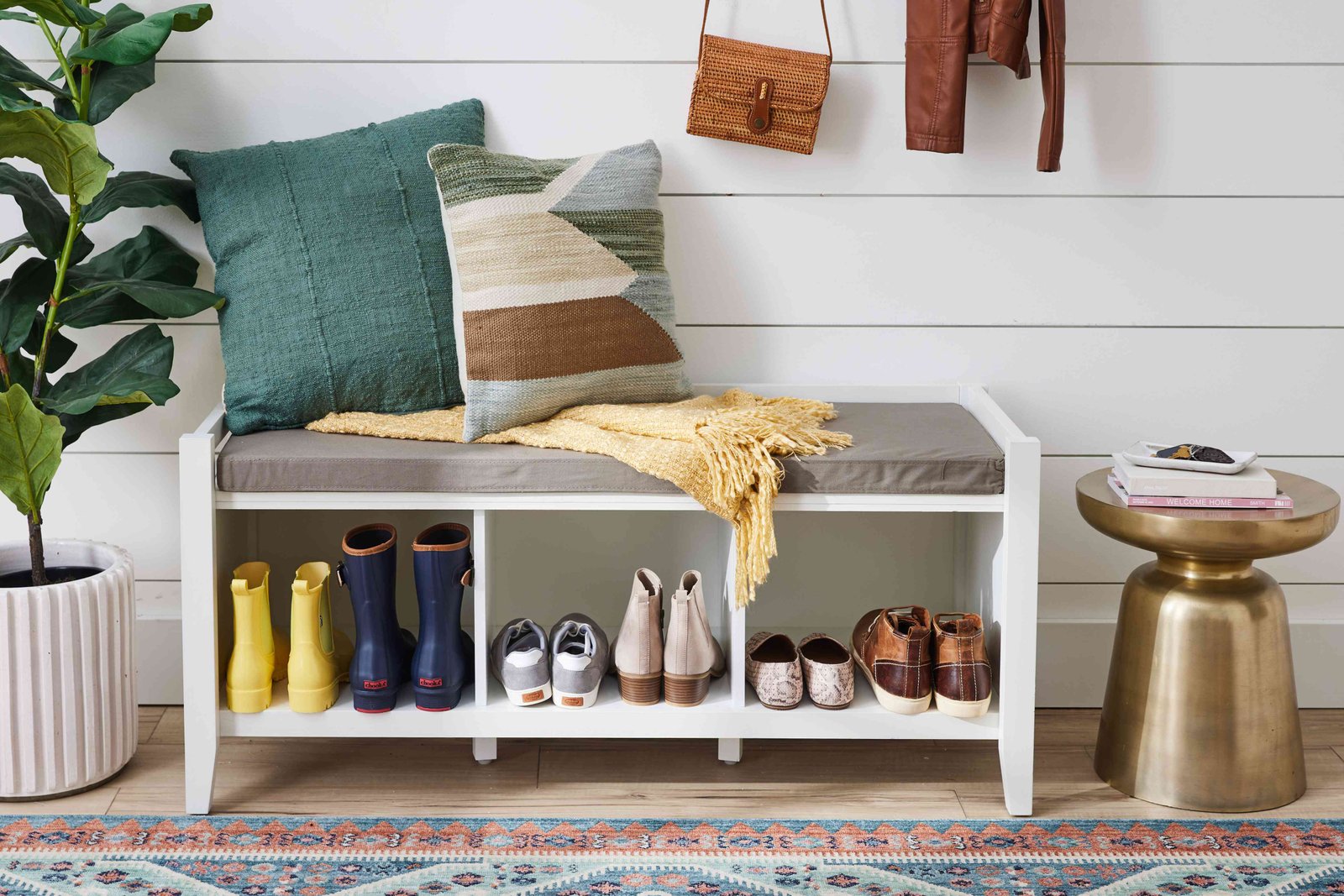
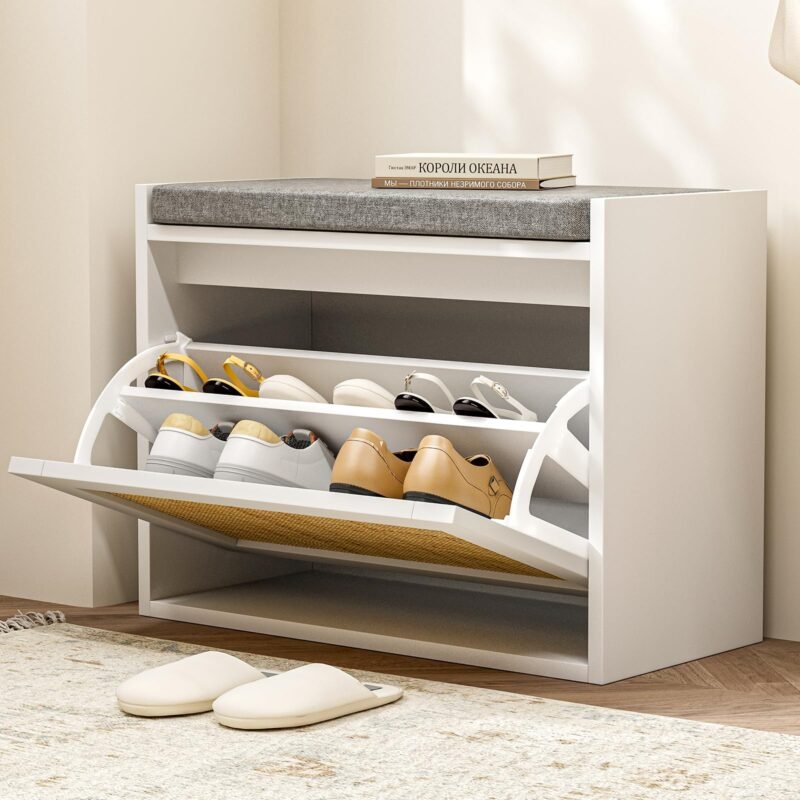
The versatility of oak lies in its ability to take on different personalities depending on how it is treated. A clear lacquer or oil enhances the natural golden honey tones, perfect for traditional or farmhouse-style cottages. For more modern interiors, 'limed' or 'whitewashed' oak offers a cooler, paler aesthetic that retains the texture but fits a contemporary palette. It is crucial to choose a finish that seals the pores effectively, as untreated wood in a damp entrance area can be susceptible to water staining from soaking wet soles, unlike the durable matte surface of our Paula white cabinet.

Finishing Options for Your Oak Shoe Cabinet

  • Oiled finish: Penetrates deep to feed the wood, offering a matte, natural feel
  • Lacquered seal: Creates a hard, protective shell that is easy to wipe clean with a damp cloth
  • Smoked/Dark Oak: A treated finish that mimics antique walnut for a dramatic, formal look
  • Whitewashed: Lightens the grain for a breezy, coastal or Scandi-inspired vibe
  • Unfinished: Allows you to apply a custom stain or wax to match existing furniture exactly

Integrating an Oak Shoe Cabinet into Modern Decor

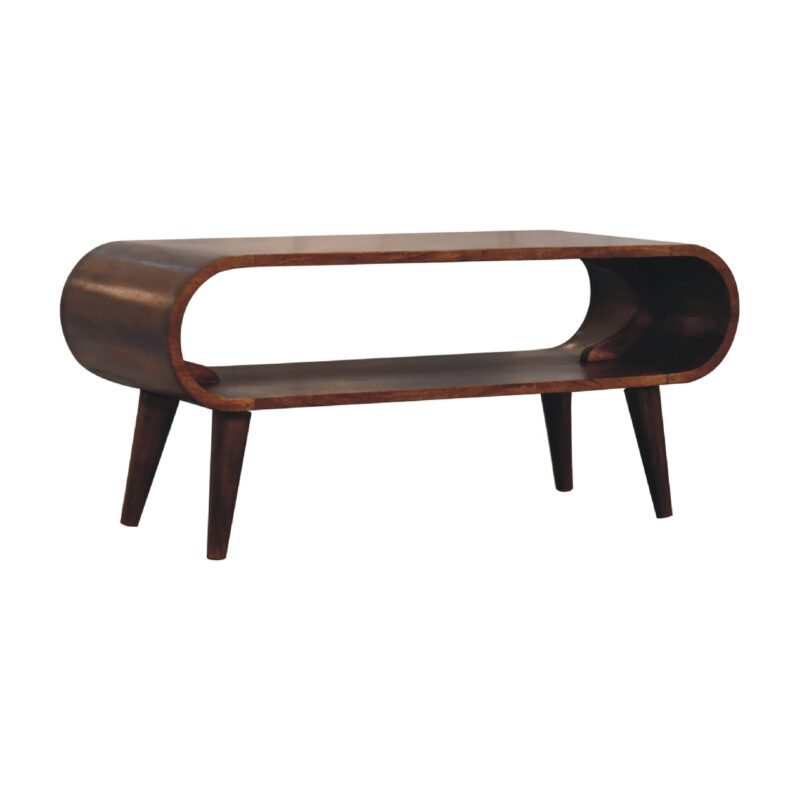
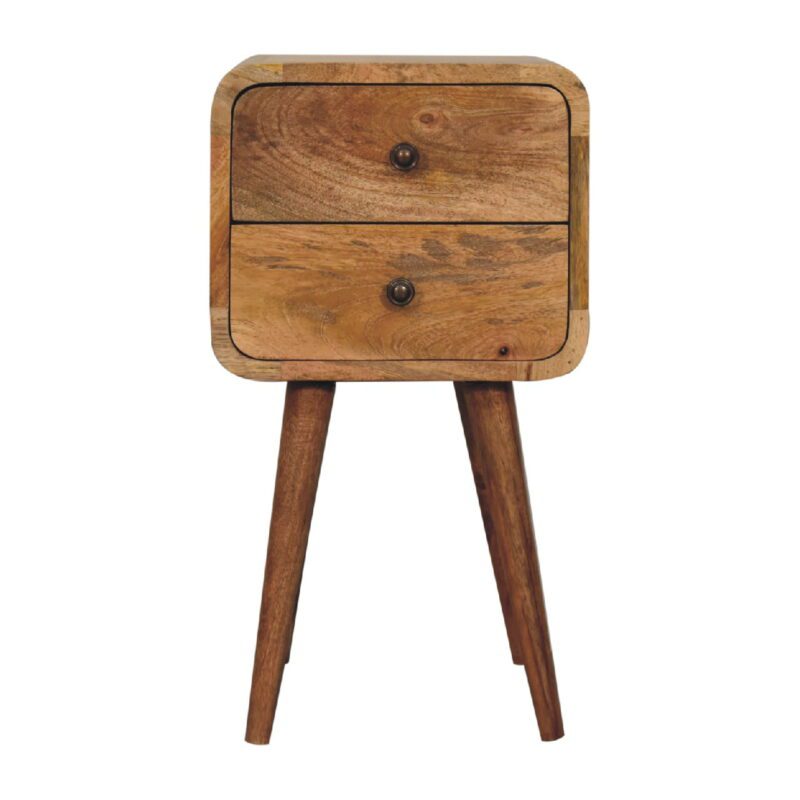
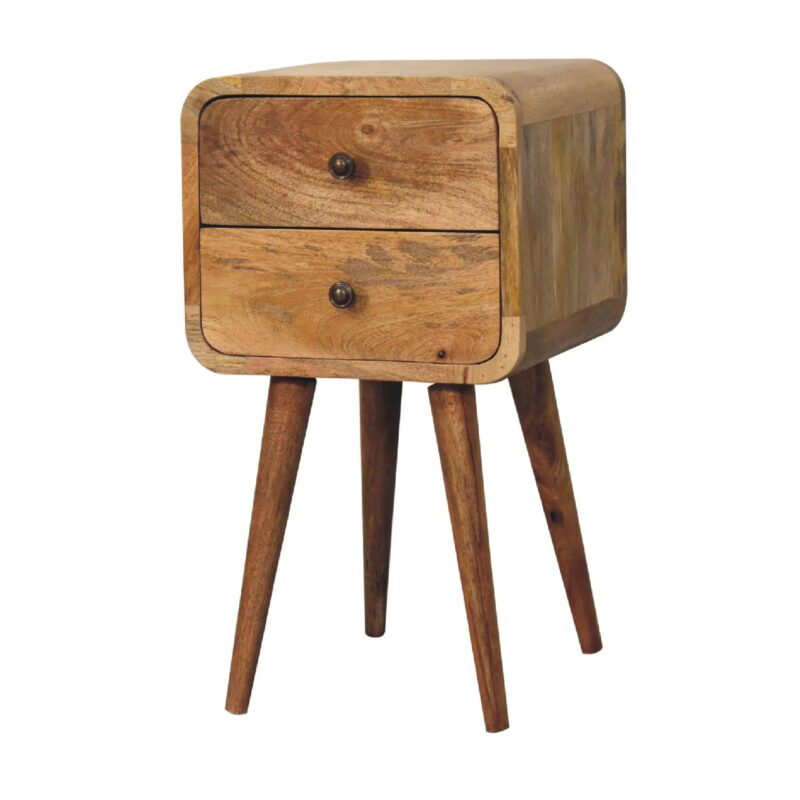
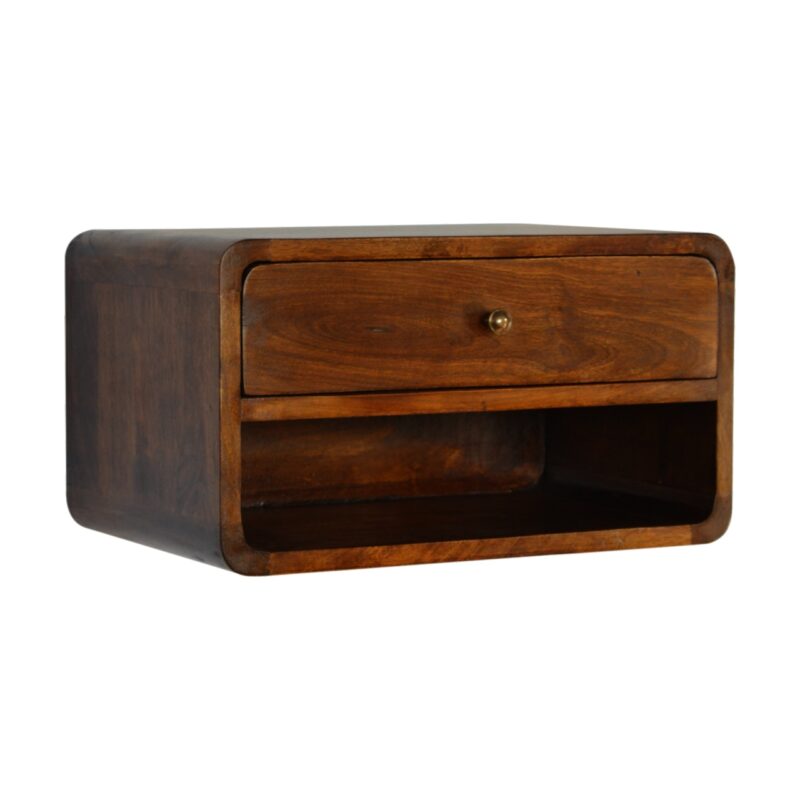
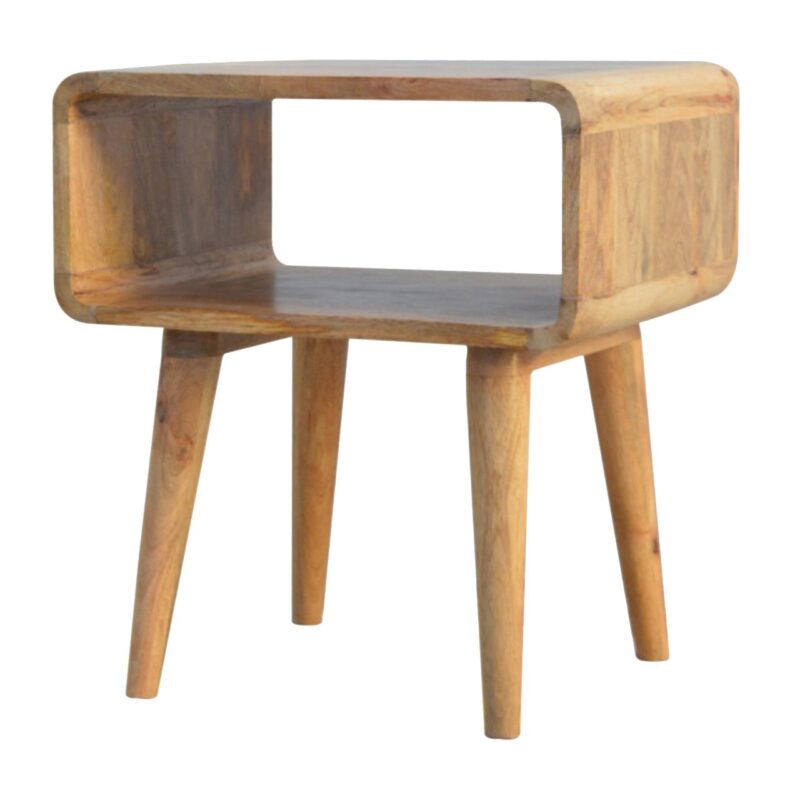
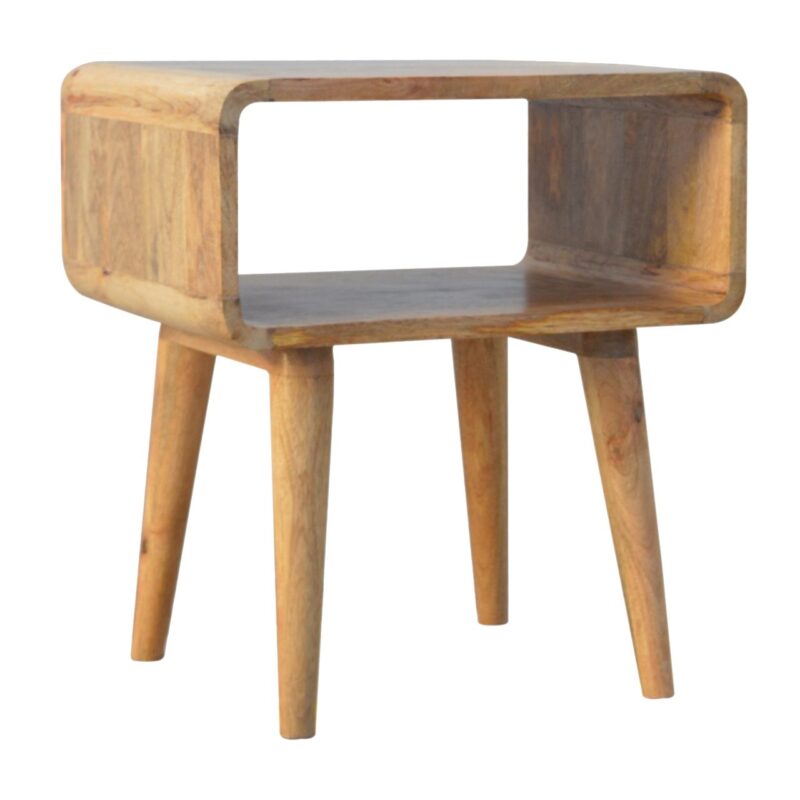
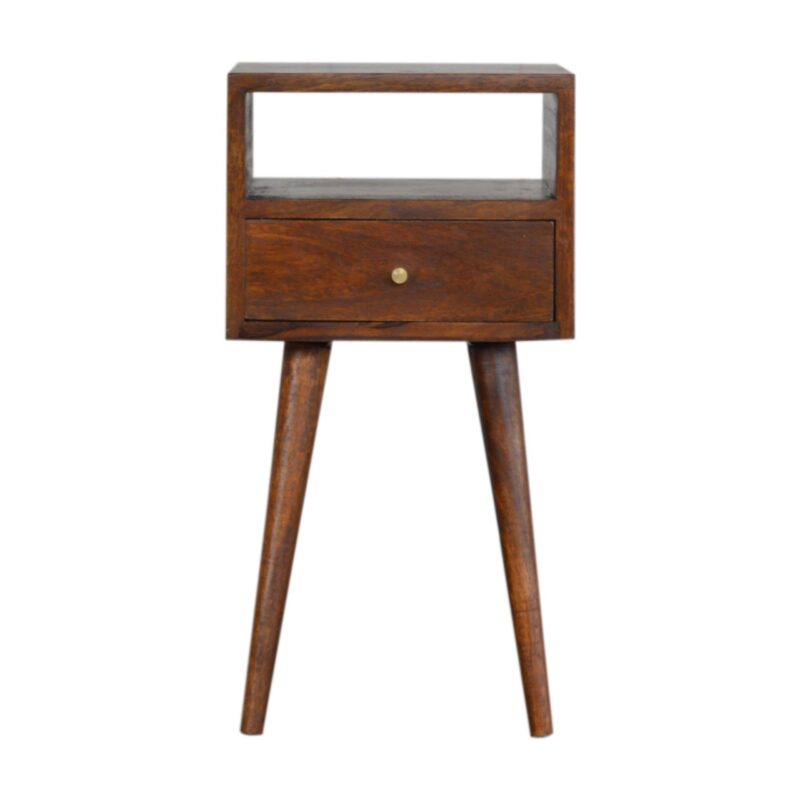
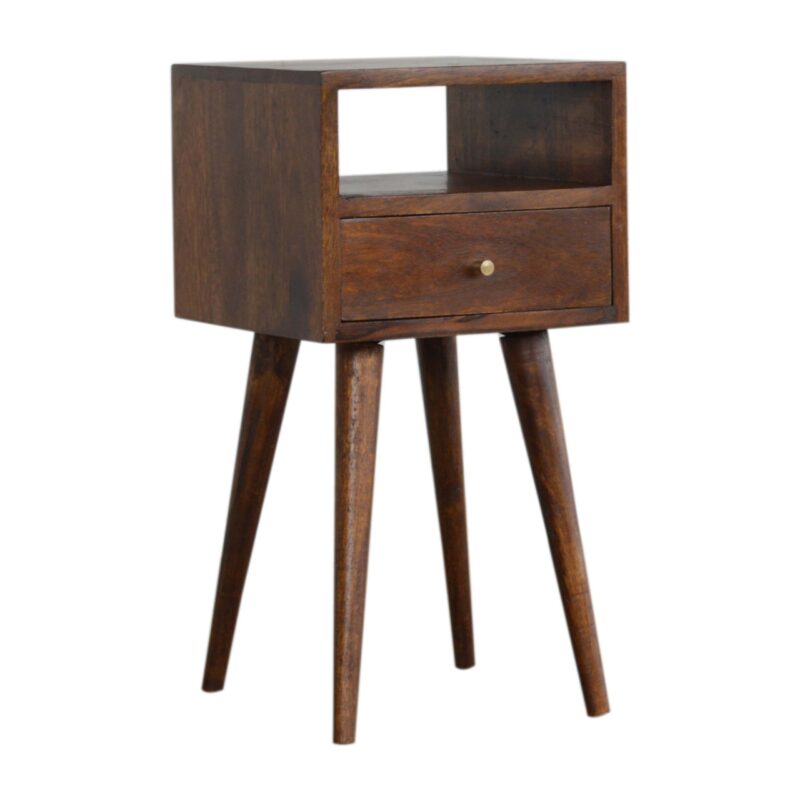
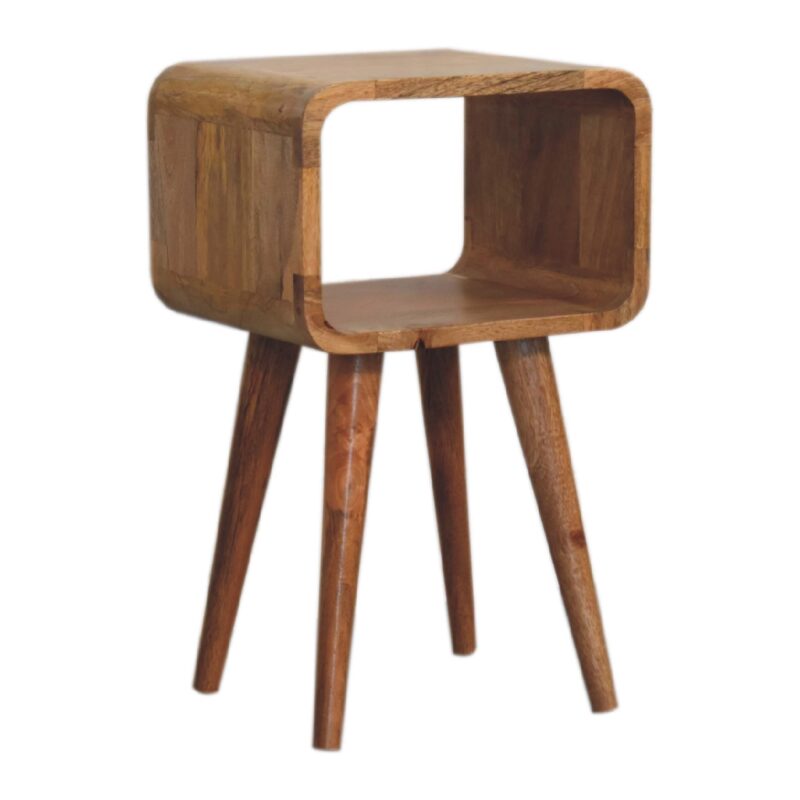
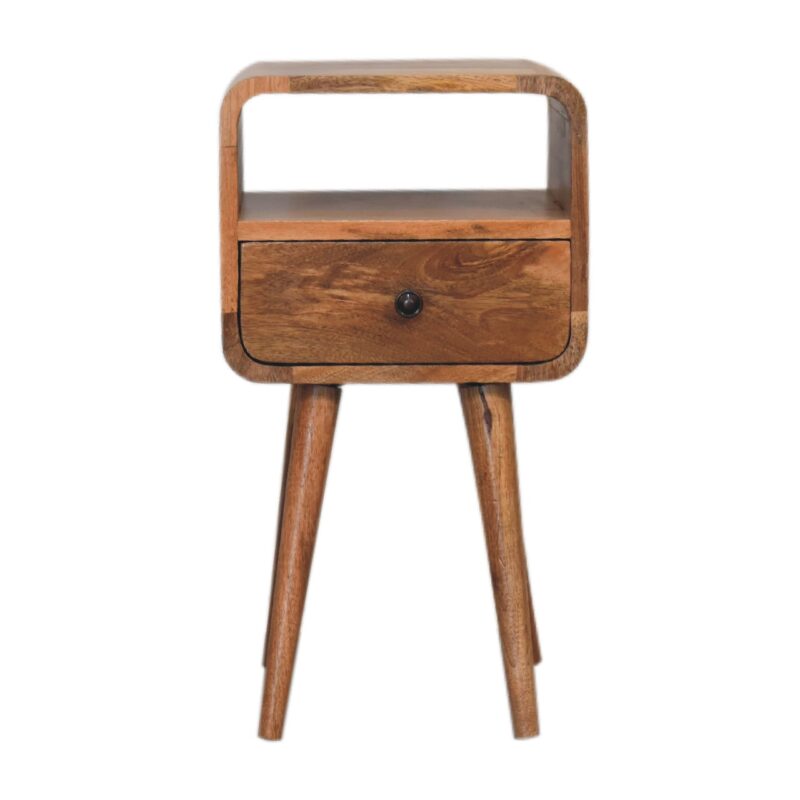
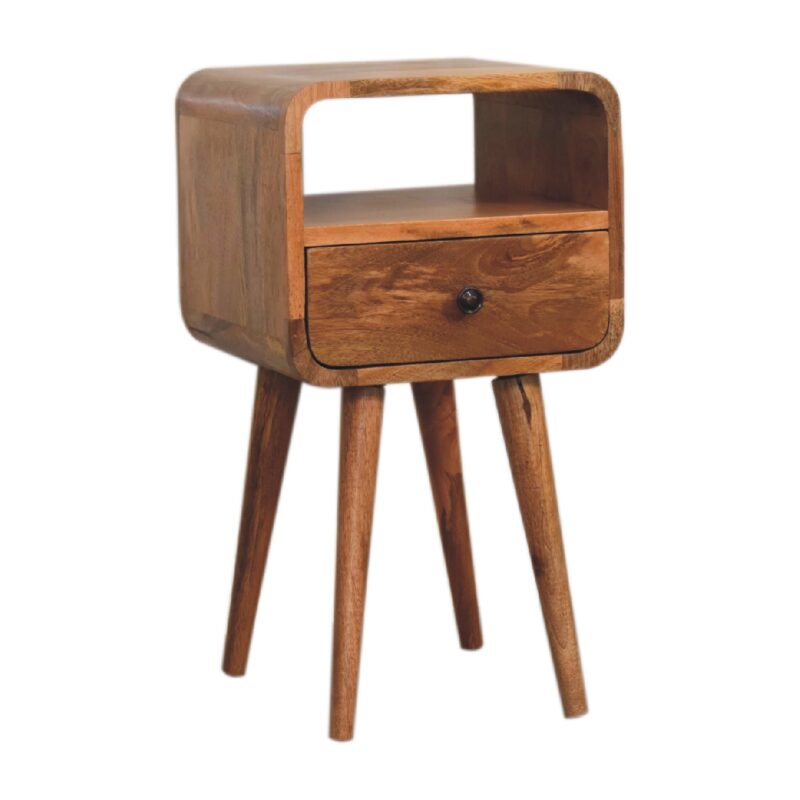
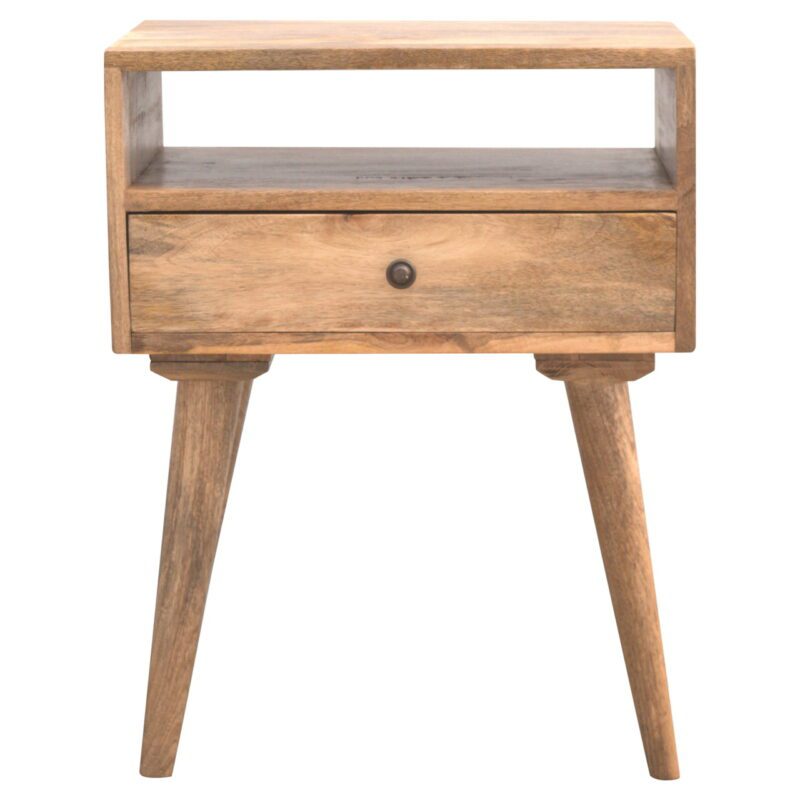
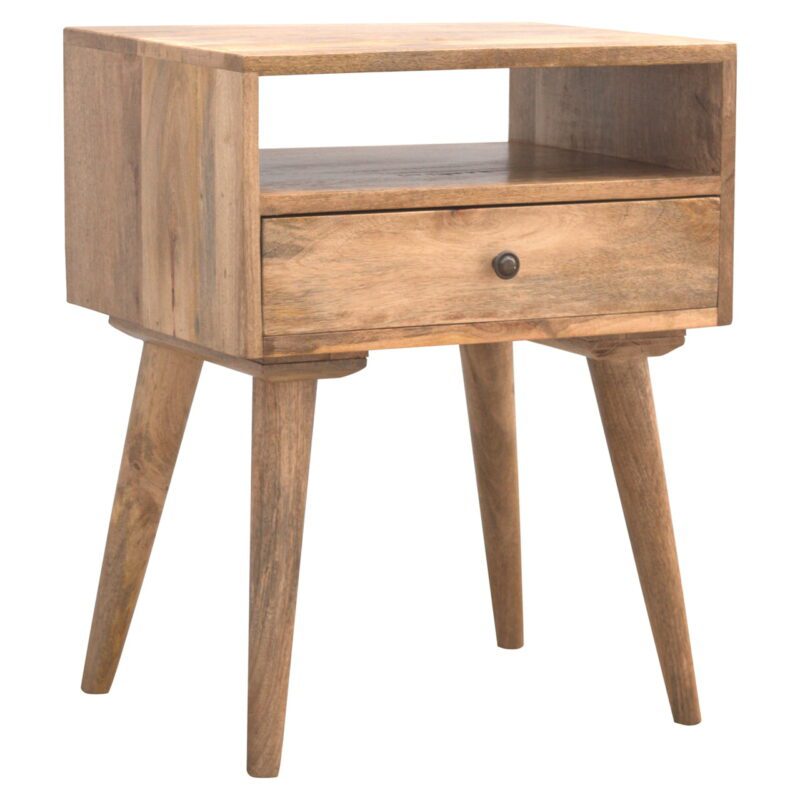
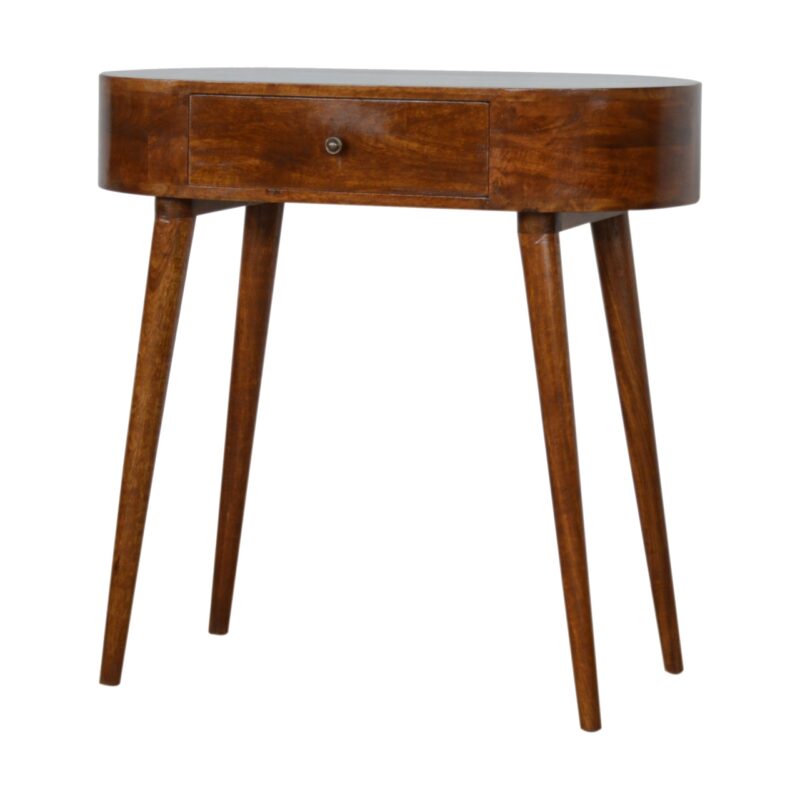
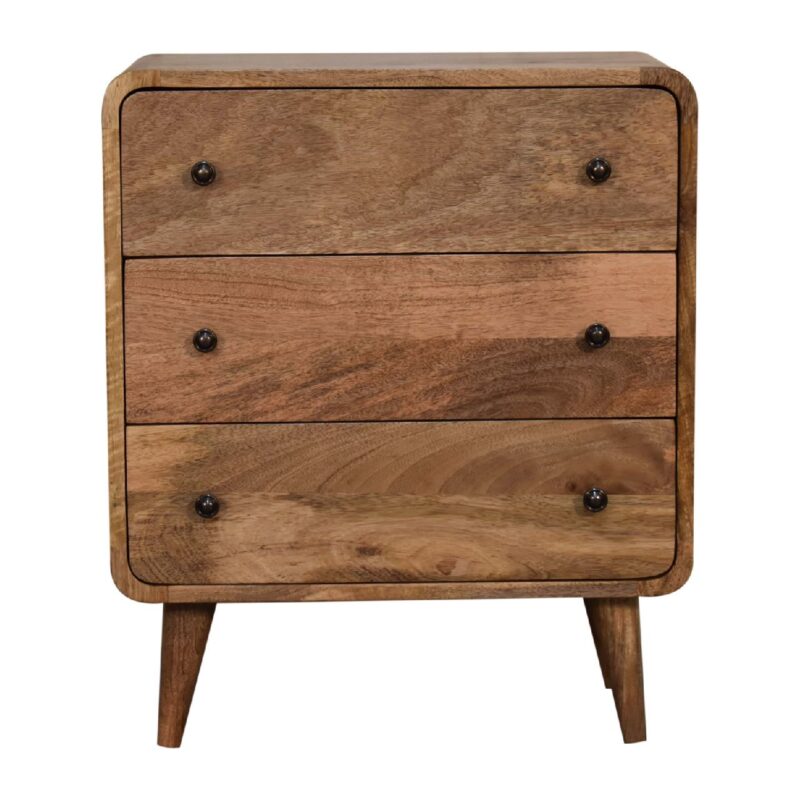
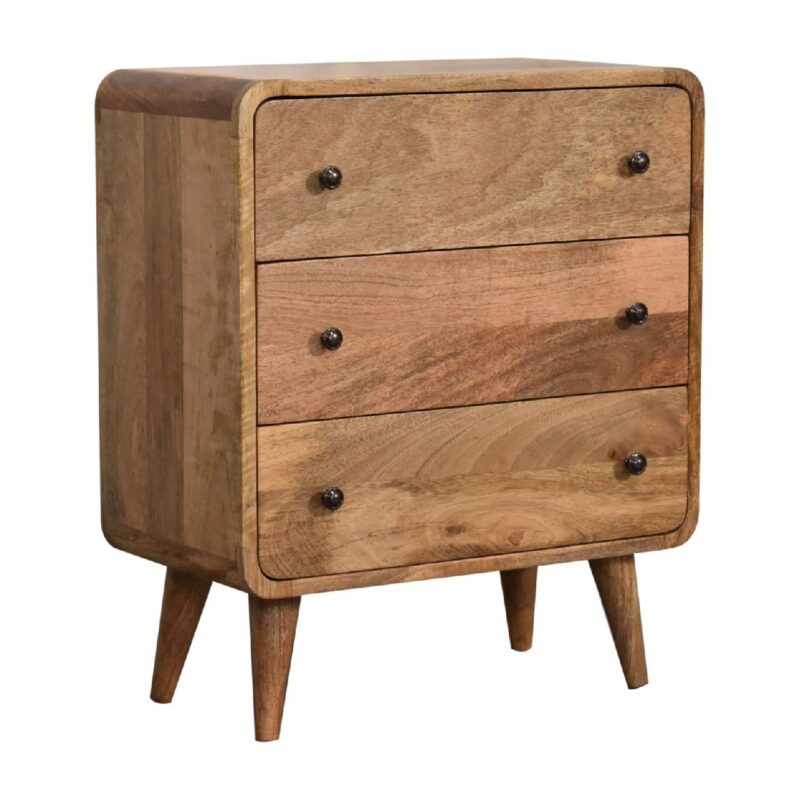
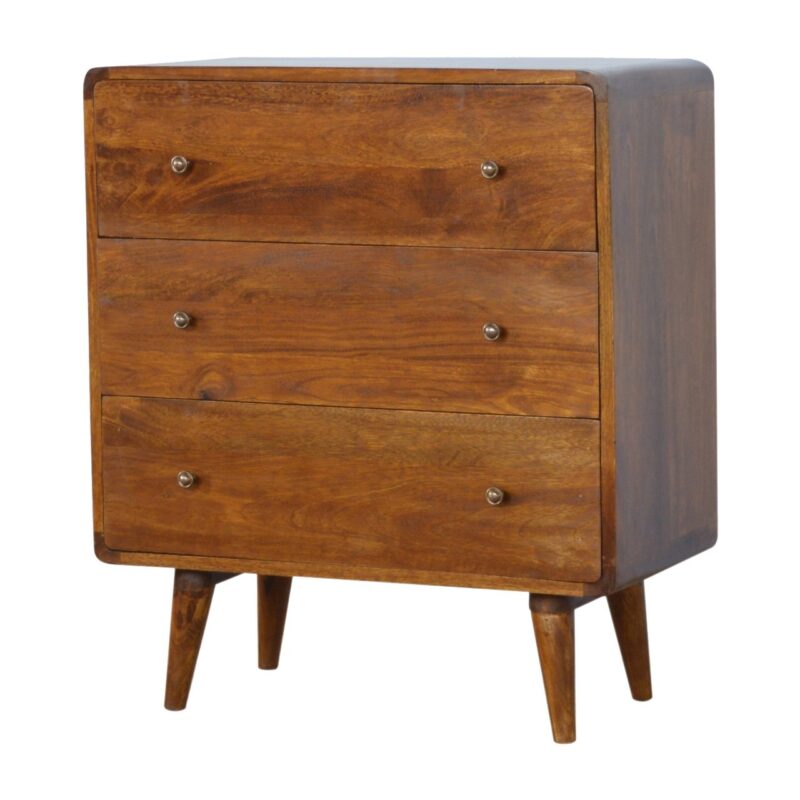
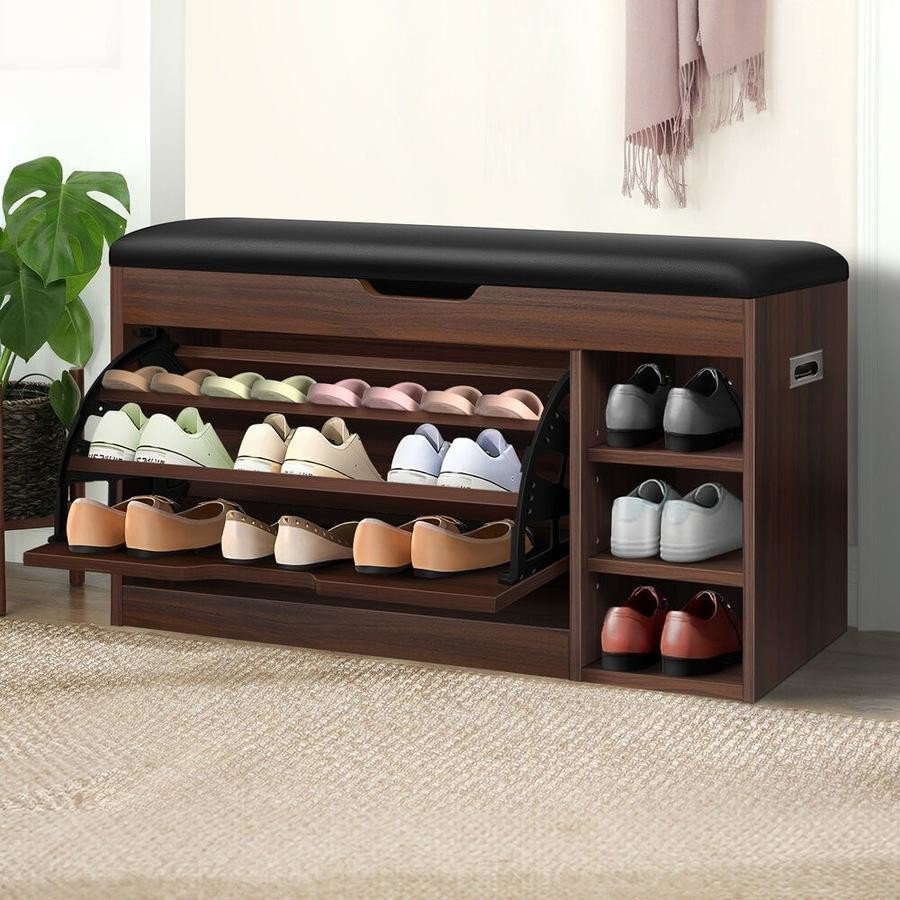
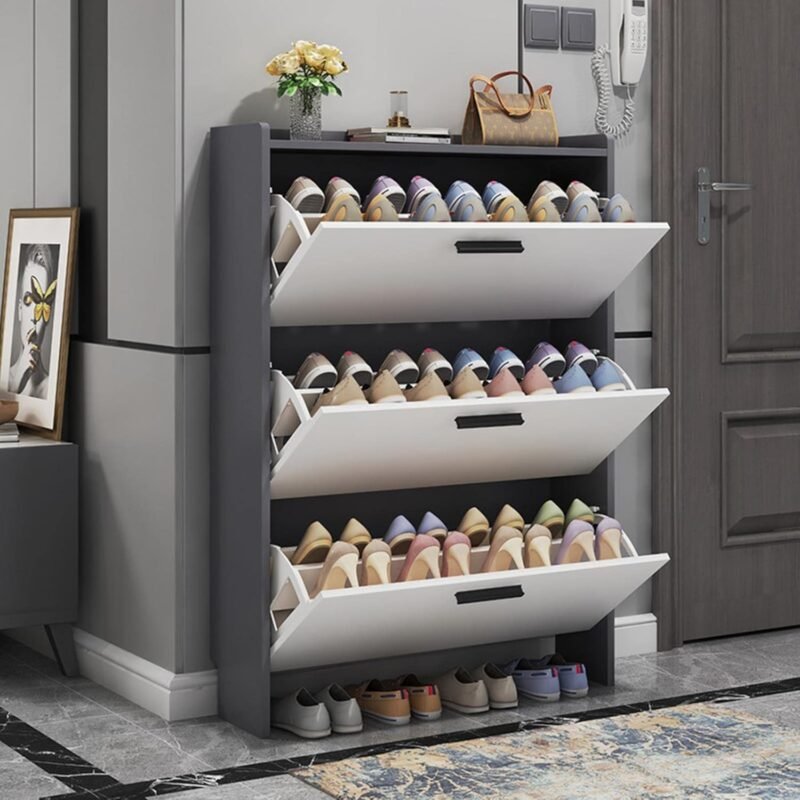
There is a misconception that oak furniture only suits rustic or old-fashioned homes. However, modern design frequently pairs the organic warmth of wood with cool industrial metals or glass to create a balanced aesthetic. A streamlined oak shoe cabinet with flat-fronted drawers and hidden handles works beautifully in a minimalist apartment, adding a touch of nature to soften stark white walls. The key is to choose a silhouette that matches your architecture—chunky plinths for cottages, or tapered legs like those on our modern footwear organiser for mid-century vibes.

Styling Tips for an Oak Shoe Cabinet

  • Mix with metal: Pair with black iron coat hooks for an industrial-chic hallway
  • Soft textures: Place a wool runner rug nearby to complement the wood's warmth
  • Greenery contrast: A large leafy plant on top highlights the natural brown tones
  • Lighting: Warm-white LED lamps bring out the depth of the wood grain
  • Wall colours: Looks exceptional against deep blues, sage greens, or charcoal greys

Oak vs. Pine: Choosing the Right Wood

When shopping for wooden furniture, the price difference between oak and pine can be significant. While both are natural materials, their performance in a busy hallway differs greatly. Oak is harder, heavier, and less prone to denting, whereas pine is softer and lighter but more affordable. The table below compares these two popular woods to help you decide if the investment in a genuine oak shoe cabinet versus a standard white pine unit is worth the extra cost for your specific needs.

Wood Type Comparison for Hallway Storage

This table outlines the key performance differences between oak and pine furniture.

FeatureOak ConstructionPine ConstructionOak Benefit
HardnessVery Hard (Hardwood)Soft (Softwood)Resists dents from heels/toys
DurabilityGenerational lifespan10-15 years typicallyOne-time investment
Grain PatternTight, varied raysWide grain, many knotsMore elegant, premium look
WeightHeavy, stableLightweightLess likely to tip over
MaintenanceLow (occasional oil)Medium (prone to scratches)Retains appearance longer

Summary: Timeless Quality for Your Home

Choosing an oak shoe cabinet is a decision that rewards you with decades of reliable service and enduring style. Its superior strength makes it the ideal candidate for the demanding environment of a family hallway, shrugging off the knocks and scrapes that would ruin lesser materials. BoxenSpace curates a collection of premium oak storage furniture designed to suit British homes, ranging from traditional rustic designs to clean, modern silhouettes. Whether you need a compact unit for a small vestibule or a grand console for a wide entrance, our range delivers the unmistakable quality and warmth of genuine wood. Explore our selection today to find a piece that not only organises your footwear but becomes a cherished part of your home's character.

How useful was this post?

Click on a star to rate it!

0/5 (0 reviews)

No votes so far! Be the first to rate this post.

See All Categories

Leave a Reply

Your email address will not be published. Required fields are marked *