
Inspiration

Small Nightstand Table Guide: Choosing Perfect Compact Furniture

Furnishing compact bedrooms demands furniture scaled precisely for restricted dimensions, making a small nightstand table essential for balancing bedside functionality with spatial constraints. This guide examines ideal measurement ranges for genuinely compact nightstands, explores design features creating visual lightness despite physical presence, reveals material choices optimising durability within reduced dimensions, and compares various small-scale configurations through comprehensive side-by-side evaluation. Whether equipping studio flats, children's bedrooms, guest rooms, or master suites where architectural features limit placement options, these insights ensure your compact nightstand delivers complete bedside utility without overwhelming tight quarters or obstructing essential circulation space.

Defining Ideal Dimensions for Small Nightstand Table Furniture

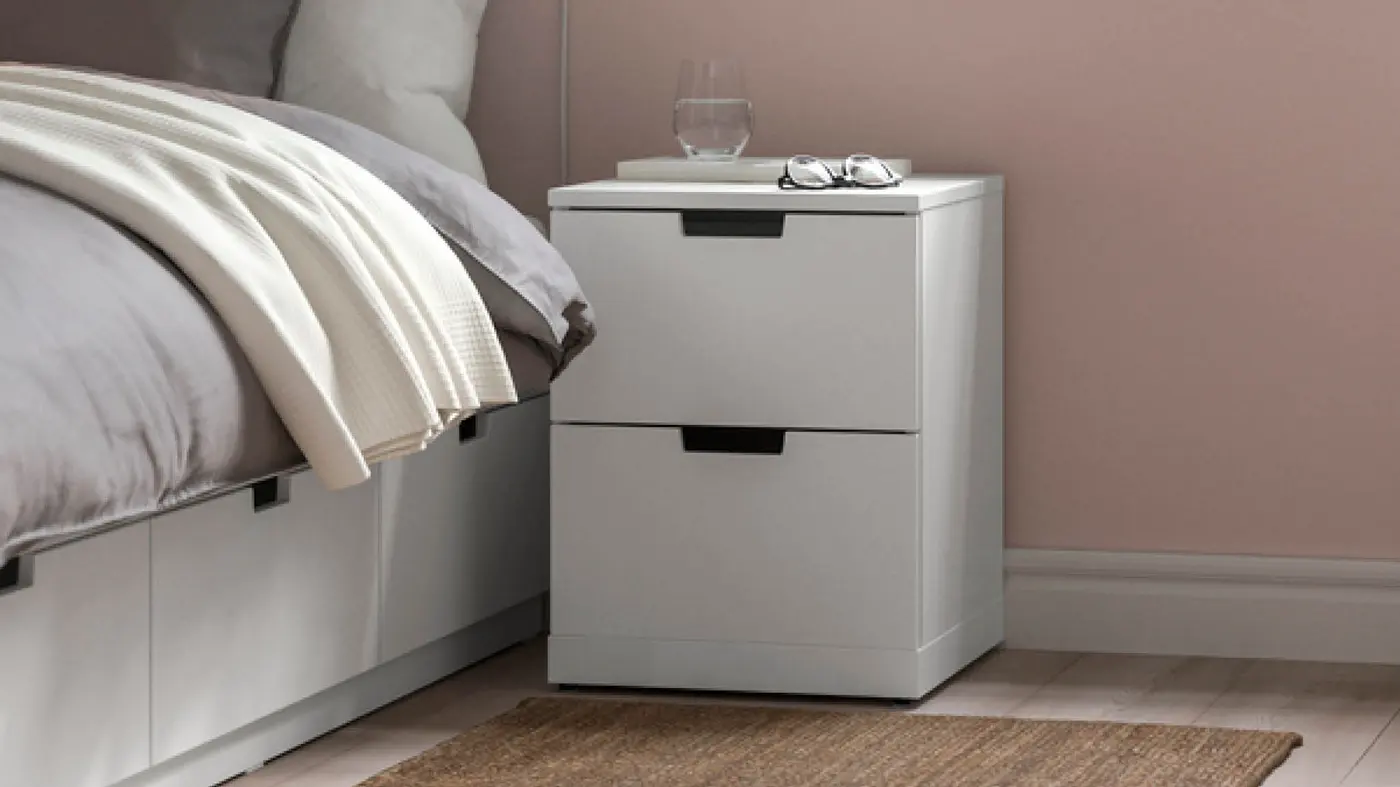
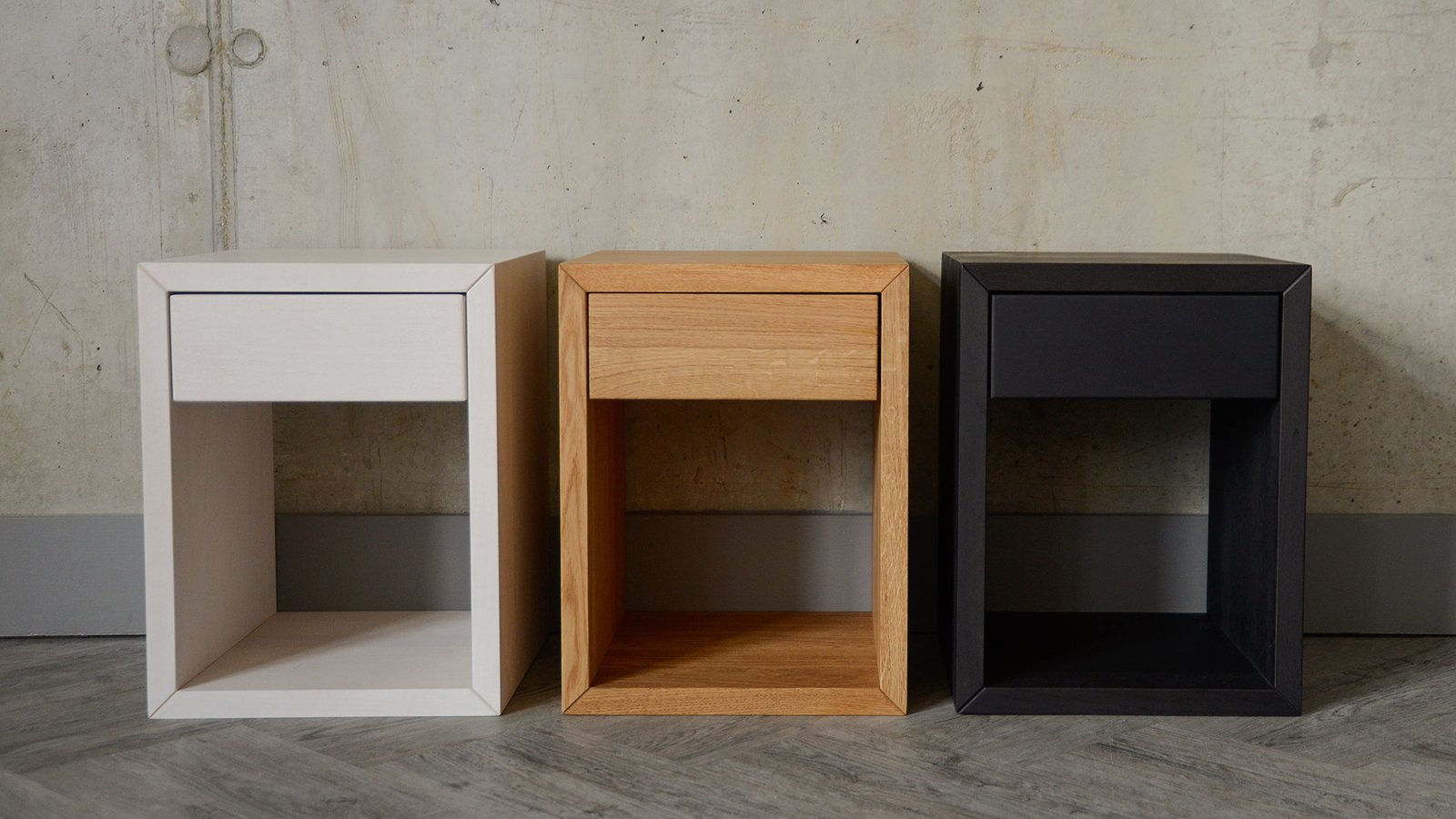
Precise measurement parameters distinguish genuinely compact nightstands from standard-sized models marketed misleadingly as "small" despite conventional dimensions. A true small nightstand table measures 35-45cm wide, 25-35cm deep, and 45-60cm tall—substantially reduced from typical 50-60cm widths and 40-45cm depths occupying excessive floor area in tight bedrooms. Width determines parallel wall clearance alongside beds, with narrower profiles proving essential in terraced houses where bedroom dimensions barely accommodate double beds plus minimal circulation space. Depth measurements directly impact how far furniture projects from walls, particularly crucial near doorways or radiators where protruding nightstands create obstacles and hazards. Height should position tabletops level with mattress surfaces, typically 50-60cm for standard UK bed frames, ensuring comfortable reach from lying positions without awkward stretching, as demonstrated by slim, well-proportioned designs like the Malwa W2 bedside table in anthracite and artisan oak which adheres closely to compact sizing principles.

Measurement Guidelines for Compact Bedroom Spaces

  • Width constraints: 35-40cm suits extremely tight spaces, 40-45cm balances compactness with surface area
  • Depth requirements: Minimum 25cm accommodates small lamps, 30-35cm handles multiple bedside items
  • Height matching: Measure mattress top surface, select nightstand matching within 5cm tolerance
  • Clearance planning: Allow minimum 60cm walkway between nightstand and opposite walls or furniture
  • Proportion awareness: Oversized lamps or decor items overwhelm genuinely compact nightstand surfaces

Design Features Creating Visual Lightness in Compact Furniture

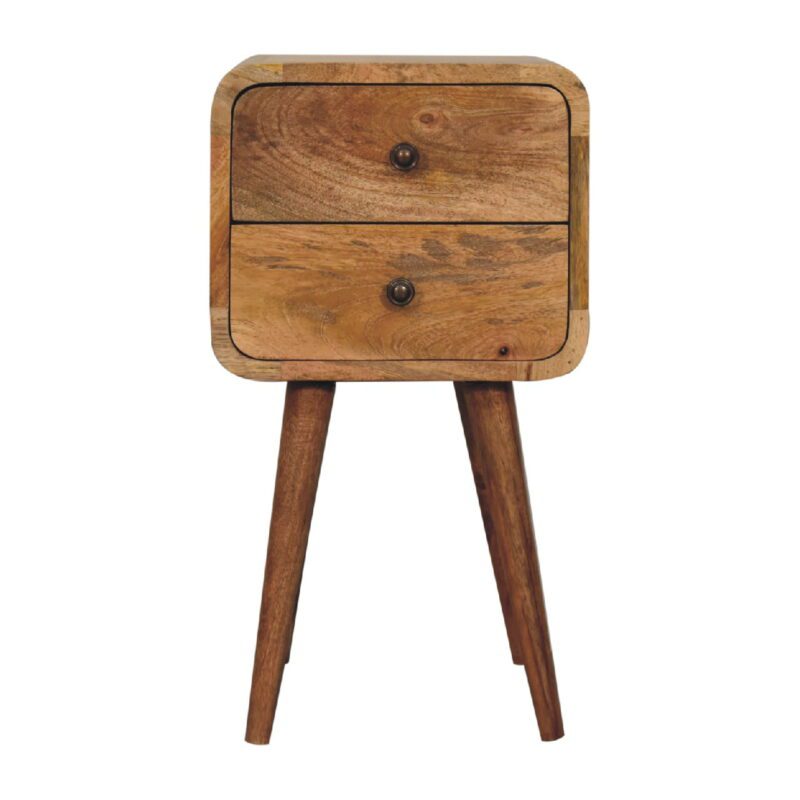
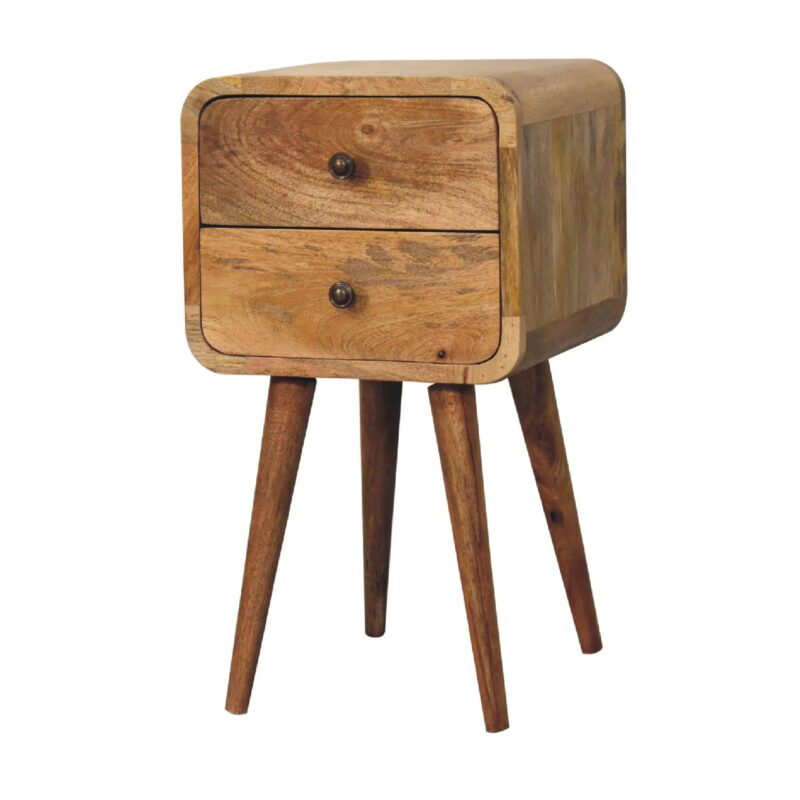
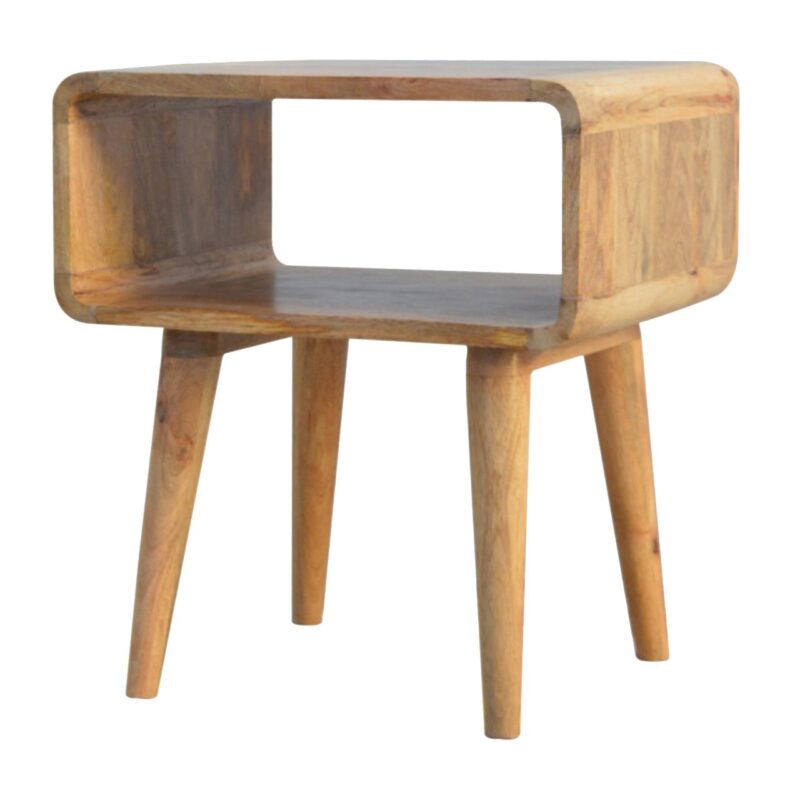
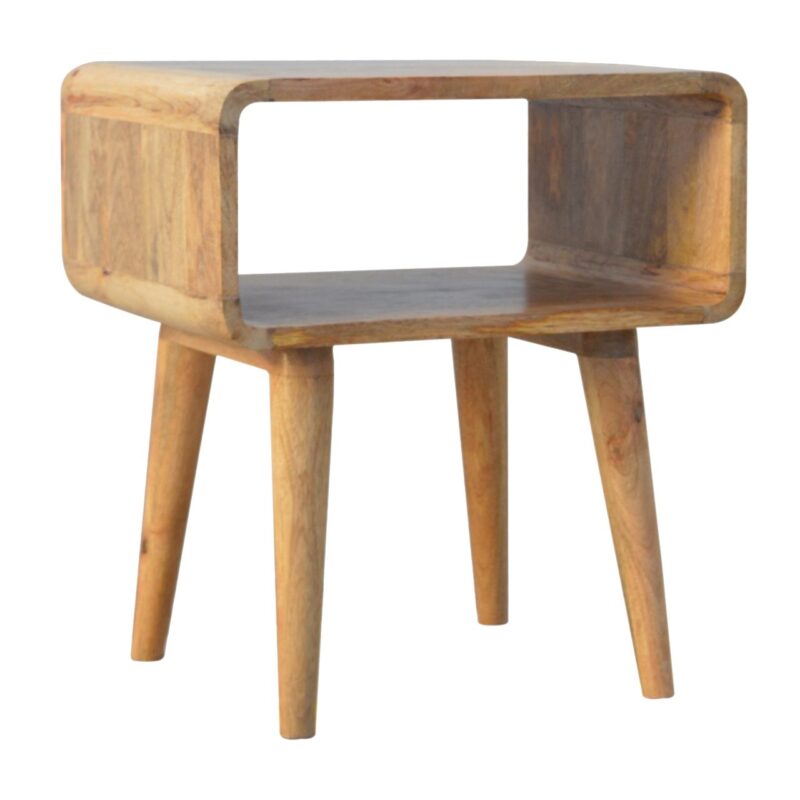
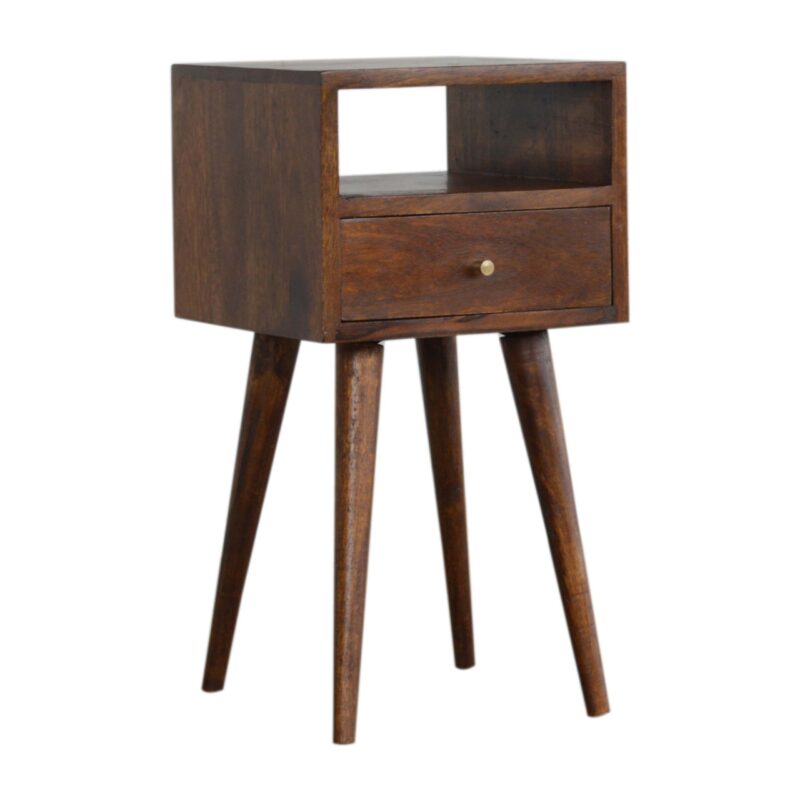
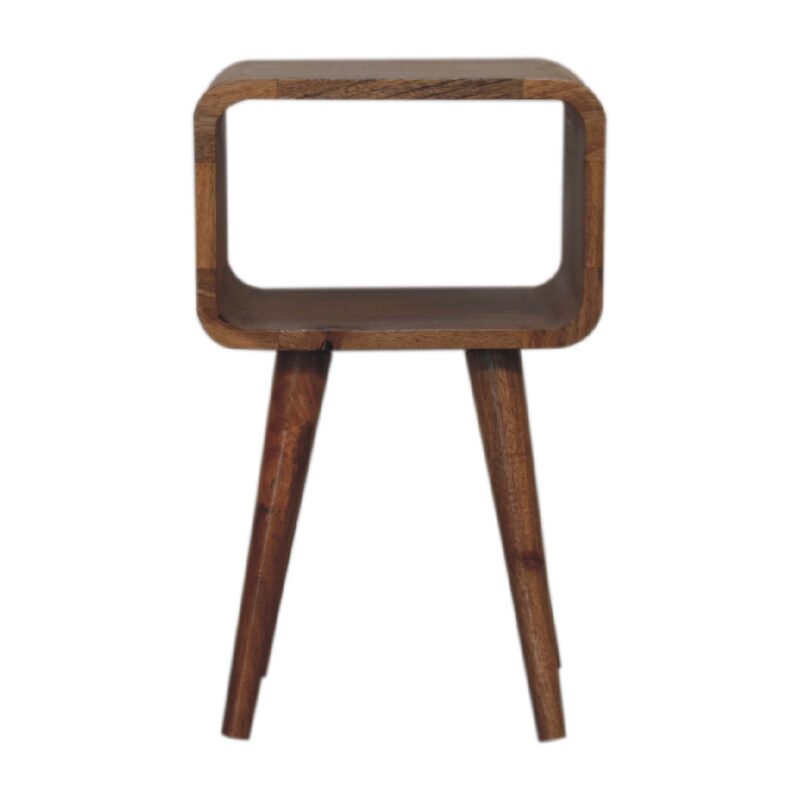
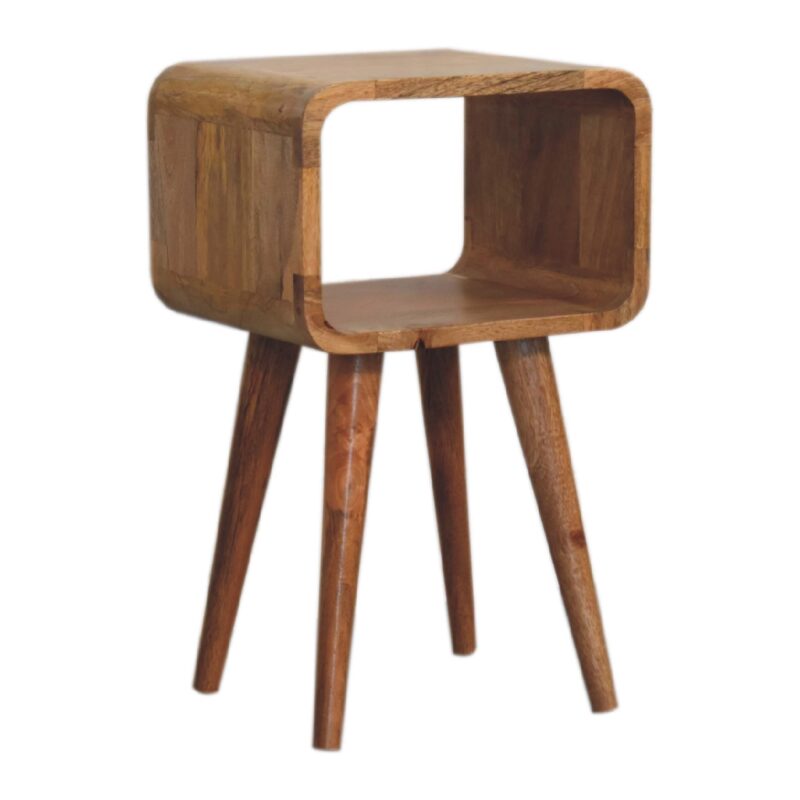
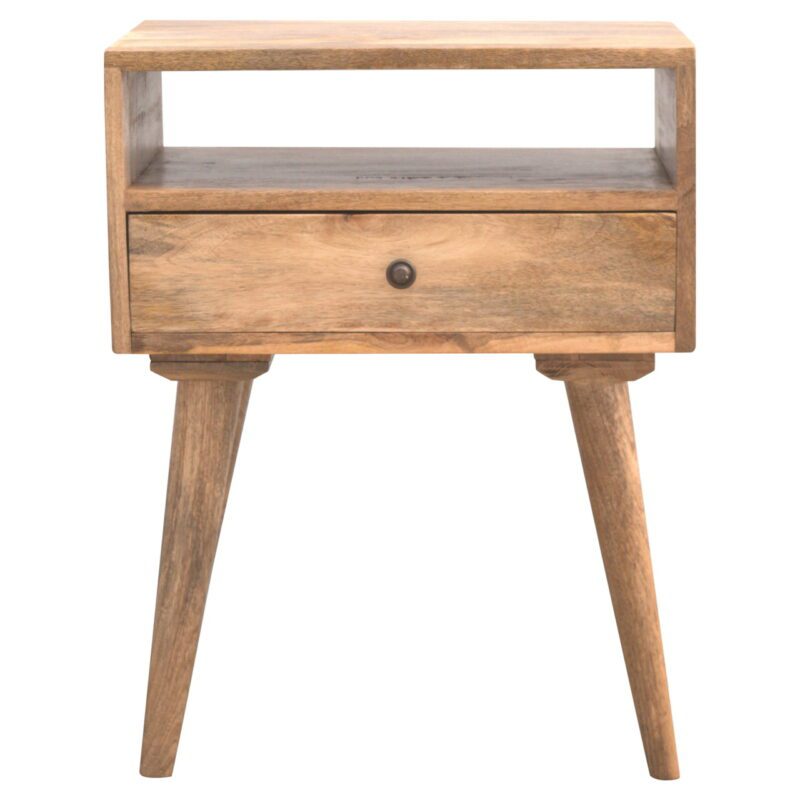
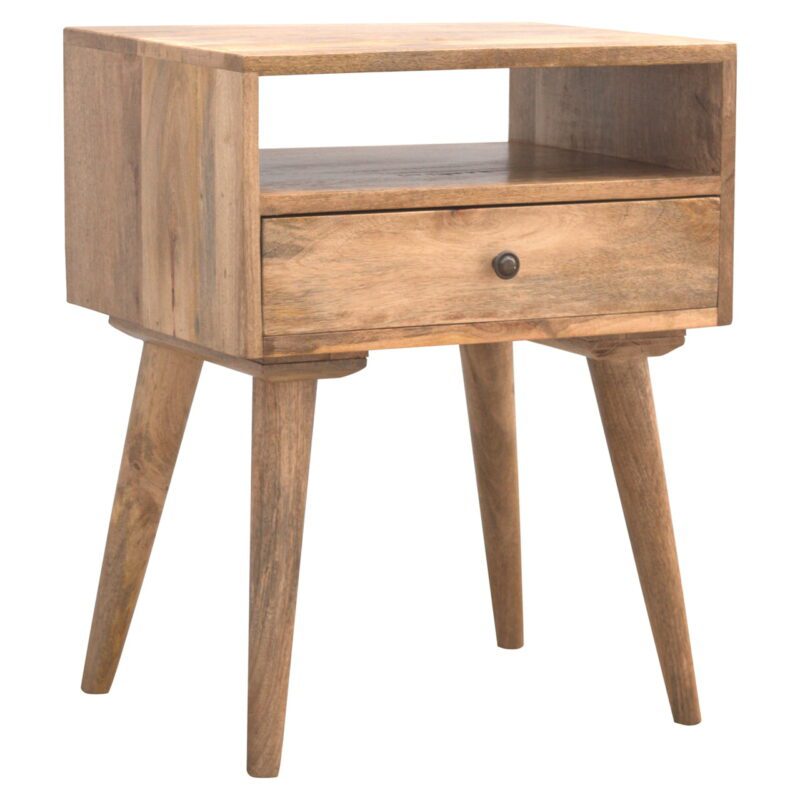
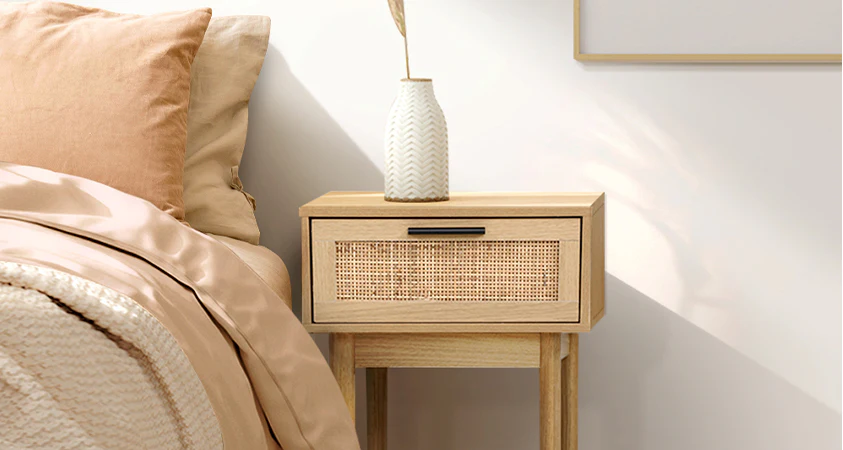
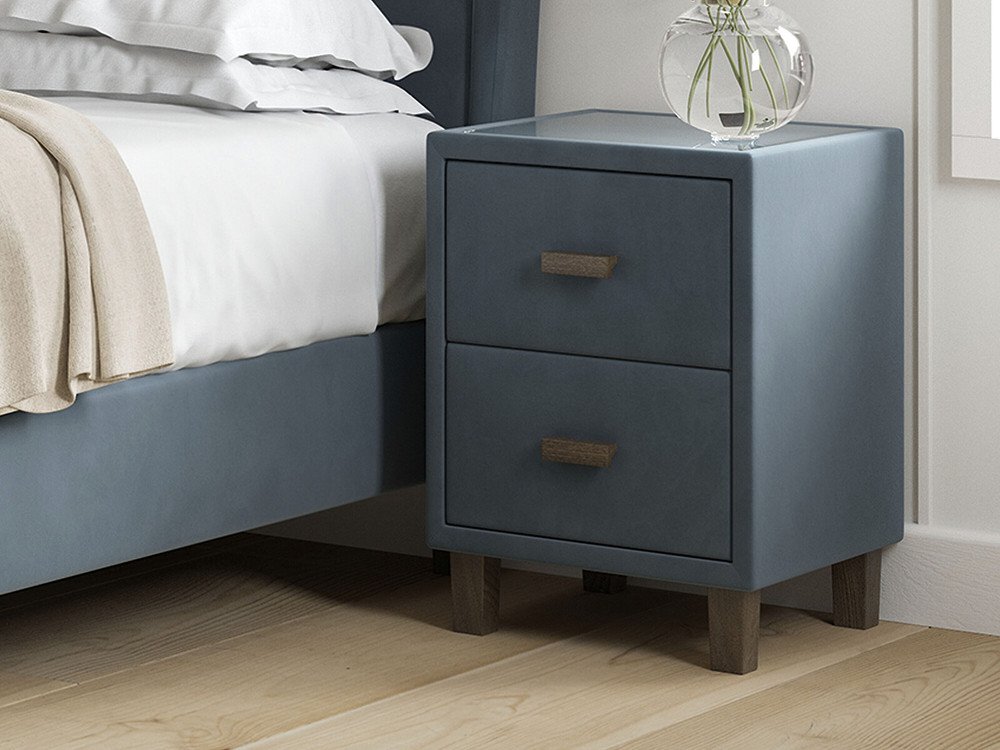
Strategic design elements prevent small nightstands from appearing heavy or visually cluttered despite occupying physical bedroom space. Elevated construction with visible legs lifts cabinet bodies off floor level, creating negative space beneath that enhances perceived room openness—particularly effective when floor finishes remain visible underneath furniture. Slender tapered legs in wood or metal reduce material bulk whilst maintaining structural support, with angled profiles appearing lighter than straight vertical supports of equivalent strength. Open-shelf configurations eliminate solid drawer fronts and doors, maintaining storage functionality whilst preventing visual blockage that makes compact nightstands feel heavier than physical dimensions suggest. Glass or acrylic elements introduce transparency, particularly effective for tabletops or drawer fronts where see-through materials maintain utility without solid visual mass, and these principles can be seen in refined, space-conscious pieces like the Vero M2 classic Sonoma oak cabinet that balances presence with visual lightness.

Architectural Elements Enhancing Spatial Perception

  • Raised platforms: Visible floor beneath furniture creates airiness in small bedrooms
  • Slim leg profiles: Metal hairpin or wooden tapered supports minimise visual weight
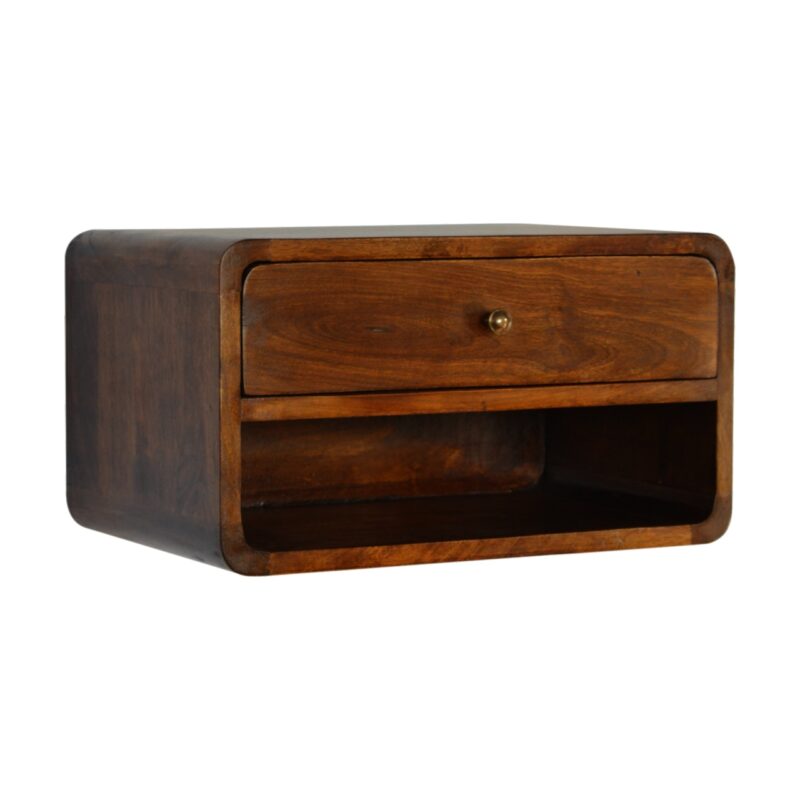
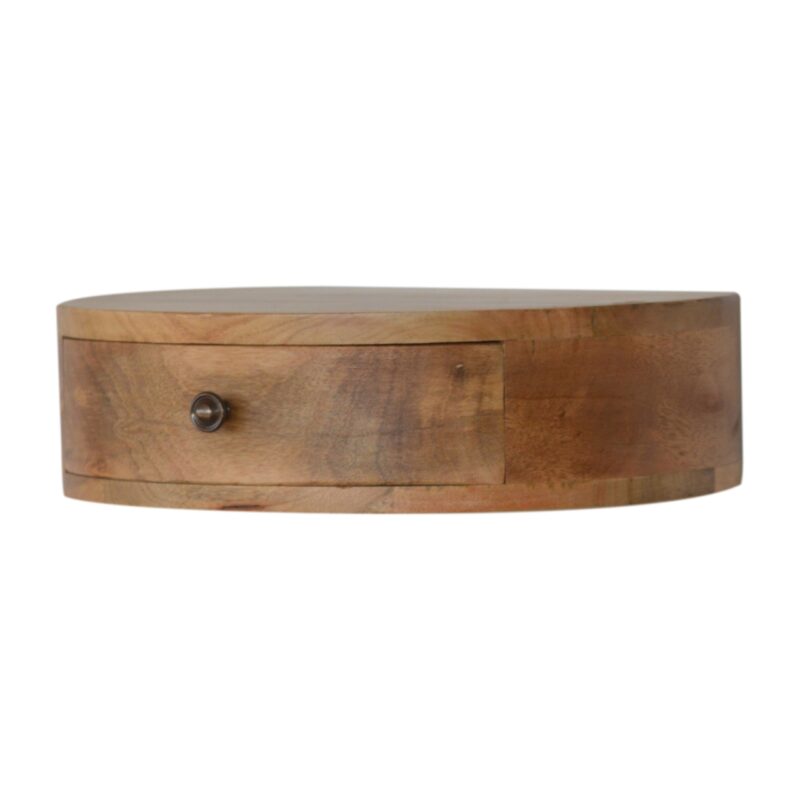
  • Floating designs: Wall-mounted nightstands eliminate floor footprint entirely for maximum openness
  • Transparent materials: Glass shelves or acrylic drawer fronts maintain function without visual bulk
  • Minimal hardware: Handleless push-catch mechanisms prevent protruding elements catching movement

Material Selection for Durable Compact Nightstand Construction

Material choices significantly impact both longevity and aesthetic success of small-scale bedroom furniture, with certain options proving particularly suited to compact dimensions. Solid hardwoods such as oak, ash, or beech provide exceptional durability supporting bedside lamps and stacked books without flexing or warping, though weight increases with density requiring stable floor placement. Engineered woods with quality veneers offer lighter-weight alternatives maintaining attractive timber appearances whilst reducing overall mass—beneficial for wall-mounted installations where excessive weight stresses bracket systems. Metal constructions in powder-coated steel or brushed aluminium deliver industrial-chic styling with inherent strength-to-weight ratios perfect for slender-profile designs, resisting daily knocks and bumps that damage softer materials. Composite materials mixing wood and metal frames optimise each substance's advantages, pairing lightweight metal supports with warm wooden surfaces creating balanced aesthetic appeal, especially in streamlined designs like many options within BoxenSpace’s range of slim-profile bedside tables.

Material Performance in Small-Scale Applications

  • Solid wood benefits: Natural warmth, repairable surfaces, supports heavy loads reliably
  • Engineered wood advantages: Lighter weight, cost-effective, moisture-resistant when sealed properly
  • Metal framework merits: Ultra-slim profiles possible, contemporary styling, excellent durability
  • Glass surface features: Easy cleaning, modern appearance, visually enlarges small spaces
  • Composite constructions: Combines material strengths whilst minimising individual weaknesses

Comparing Small Nightstand Table Design Approaches

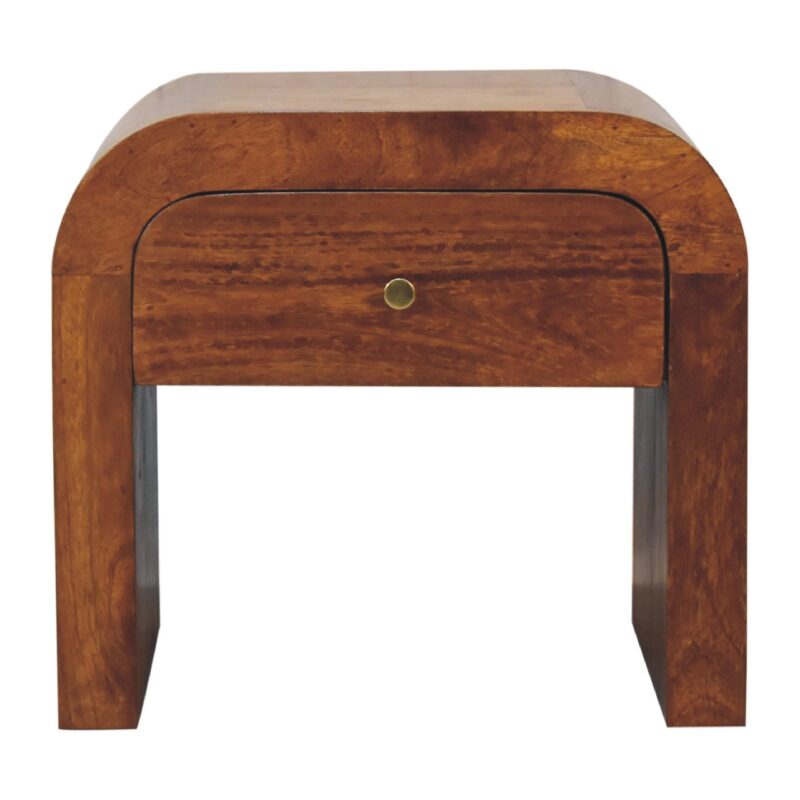
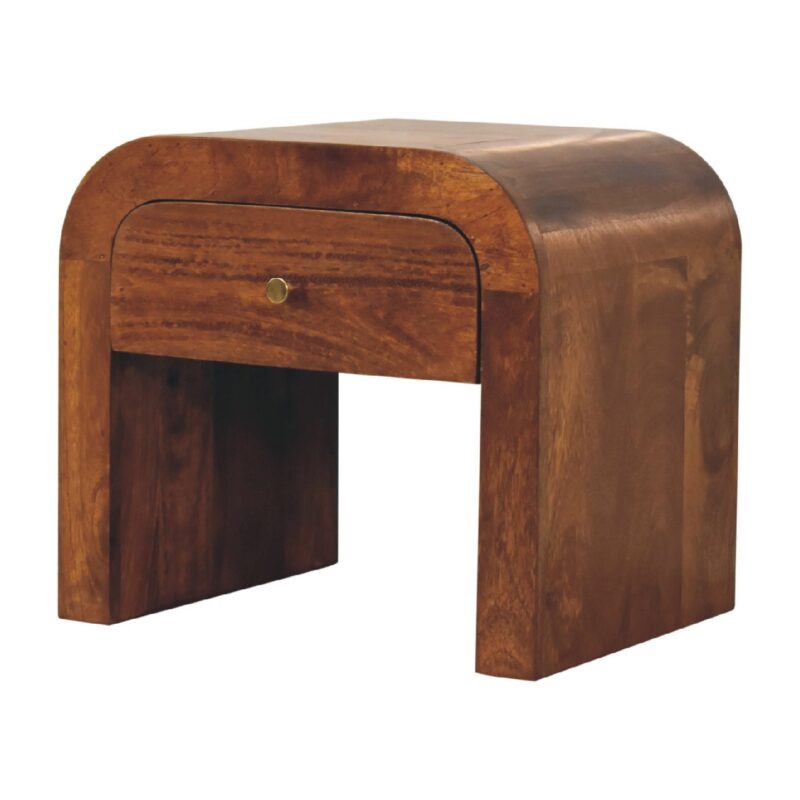
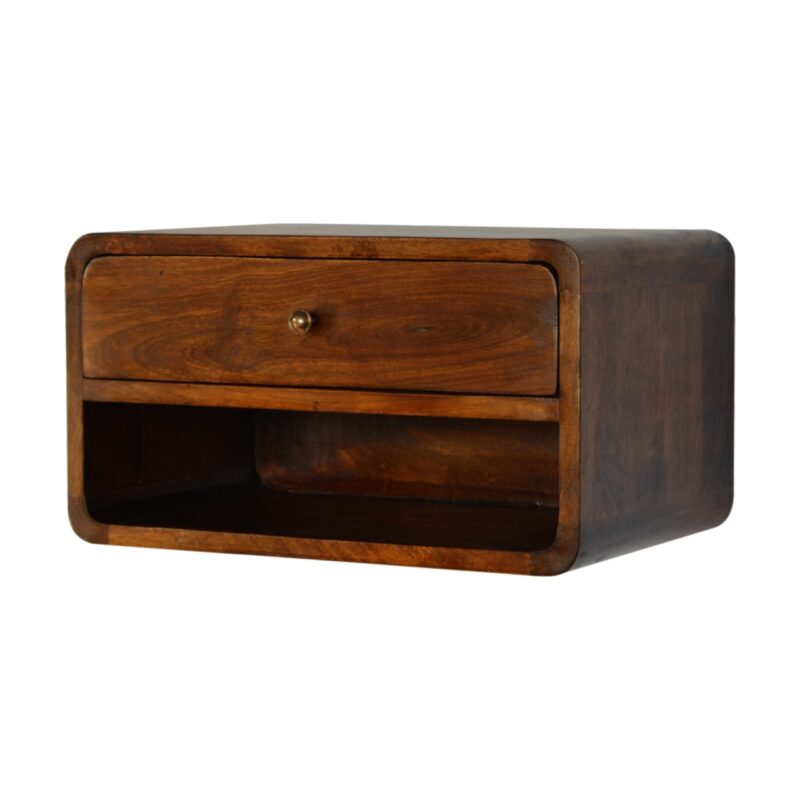
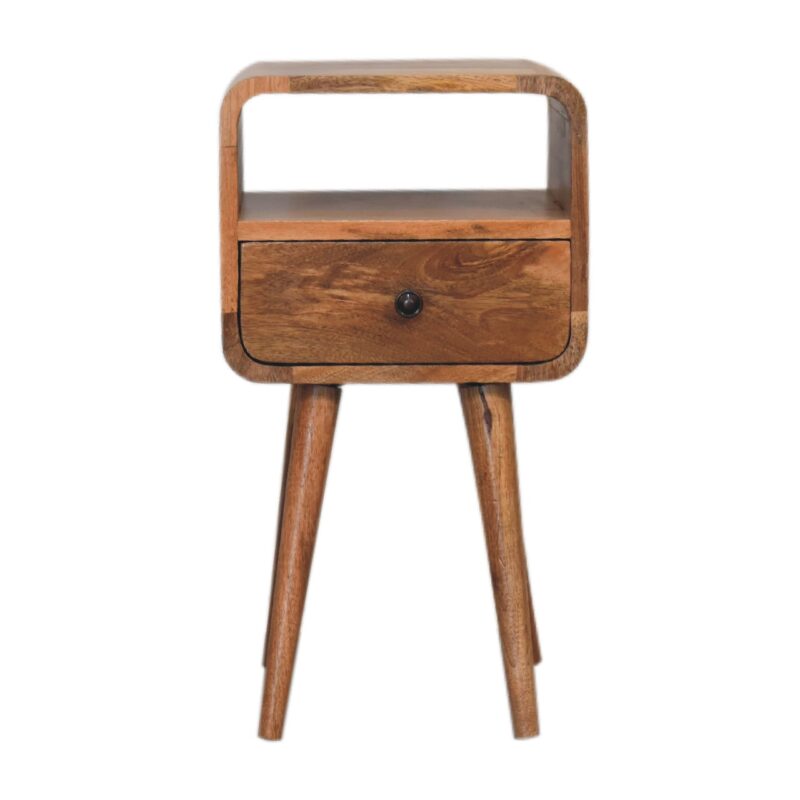
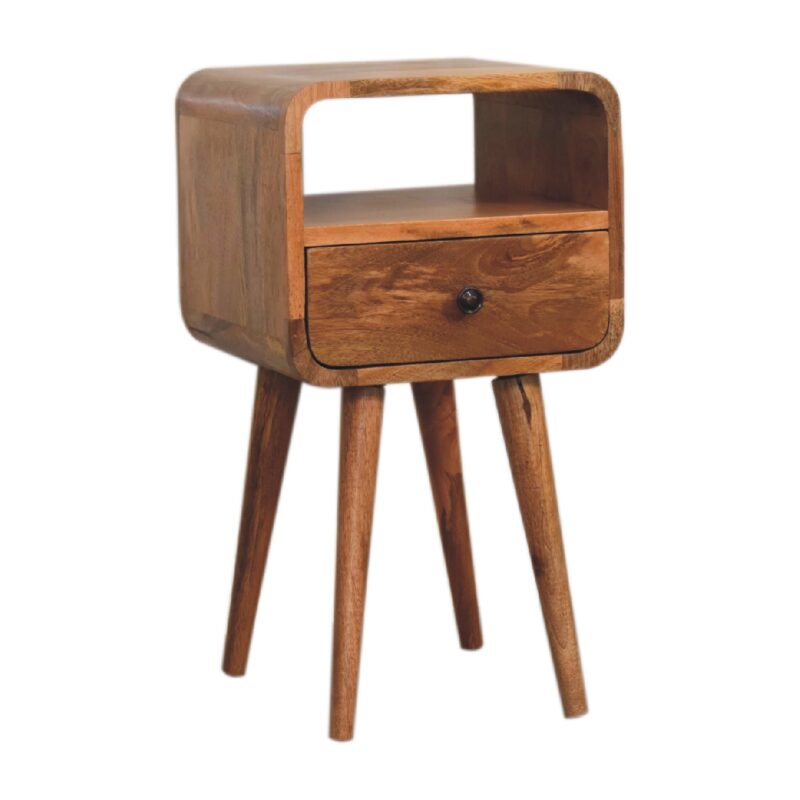
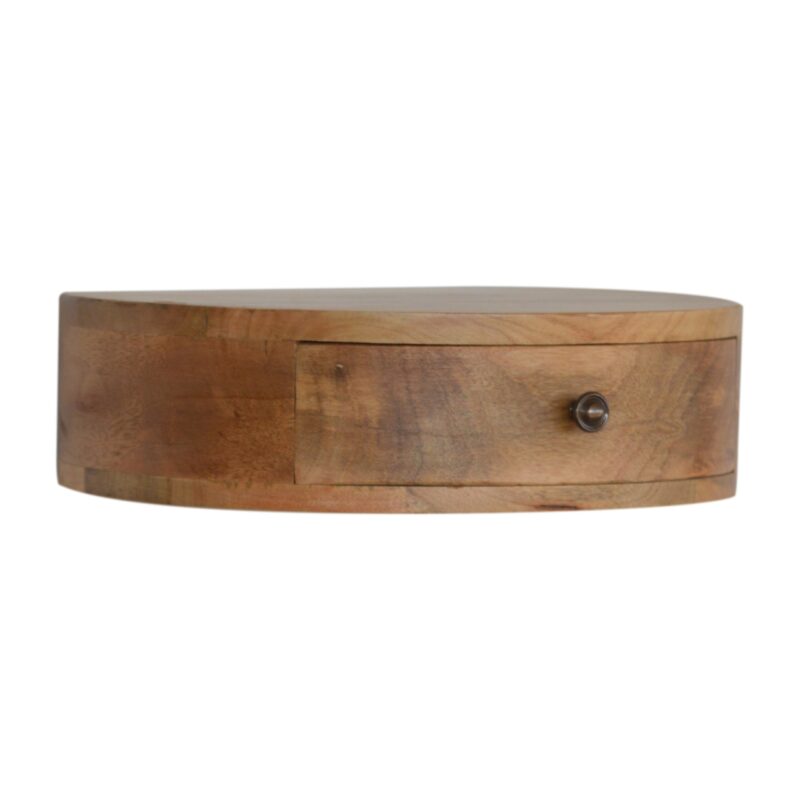
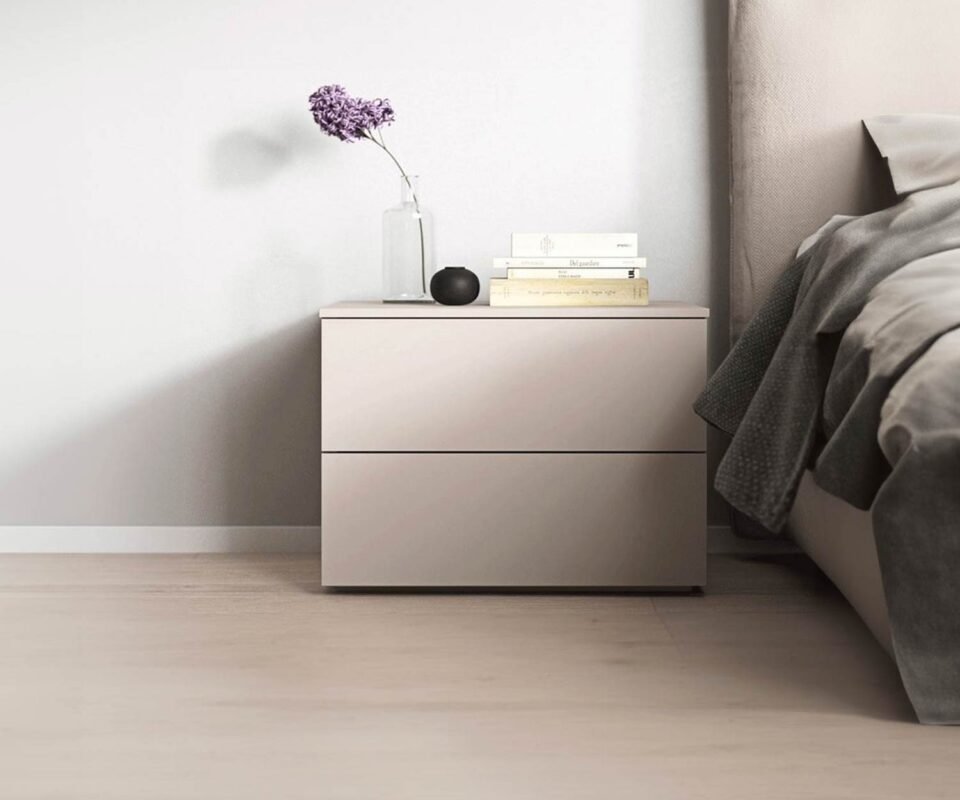
Different compact nightstand configurations suit varying bedroom layouts, storage priorities, and aesthetic preferences, with each approach offering distinct functional and visual characteristics. Single-drawer pedestals provide essential concealed storage within minimal footprints, perfect for bedrooms where floor space remains at absolute premium. Open-shelf ladders lean against walls eliminating freestanding footprints whilst creating tiered display opportunities for books and decorative items. Floating wall-mounted designs remove floor contact entirely, delivering maximum spatial efficiency ideal for ultra-compact rooms or modern minimalist schemes. Understanding these configuration differences helps identify which small nightstand table design best serves your specific space constraints and bedside requirements, and options featuring dual drawers—like those in BoxenSpace’s compact two-drawer nightstand line-up—are especially useful when extra hidden storage is a priority.

Compact Nightstand Configuration Options

Nightstand TypeTypical DimensionsStorage ApproachIdeal Room Applications
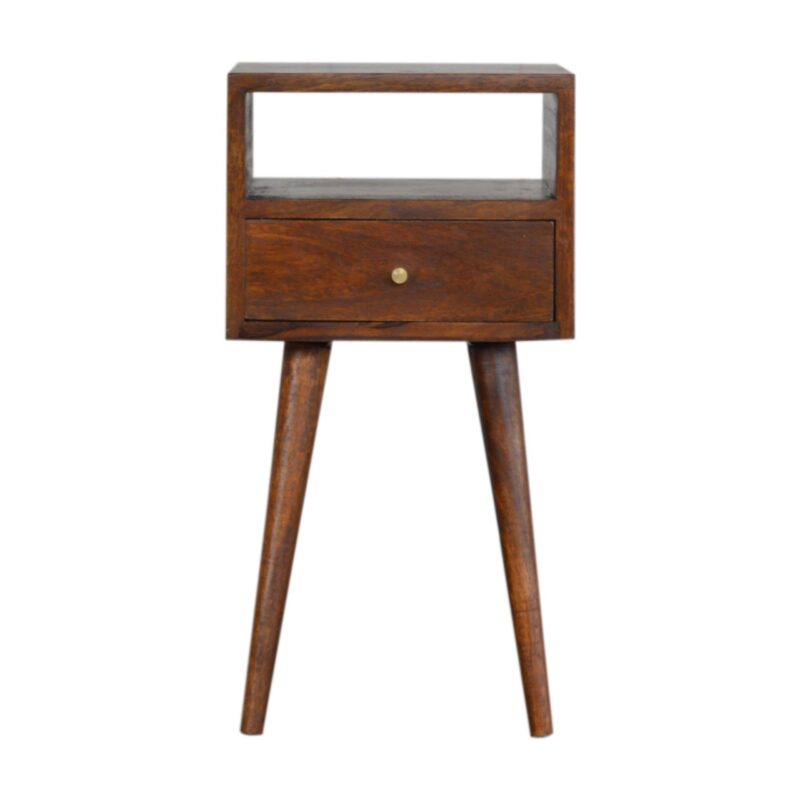
Single-Drawer Pedestal35-42cm wide, 28-32cm deep, 50-58cm tallOne concealed drawer, open tabletop surfaceStandard compact bedrooms requiring freestanding furniture
Open-Shelf Ladder38-45cm wide, 25-30cm deep, 65-75cm tallTwo to three exposed shelves at staggered heightsBohemian or Scandinavian-styled rooms prioritising display
Floating Wall-Mounted35-45cm wide, 20-28cm deep, adjustable heightSurface shelf only, optional small drawer beneathUltra-compact spaces, contemporary minimalist bedrooms
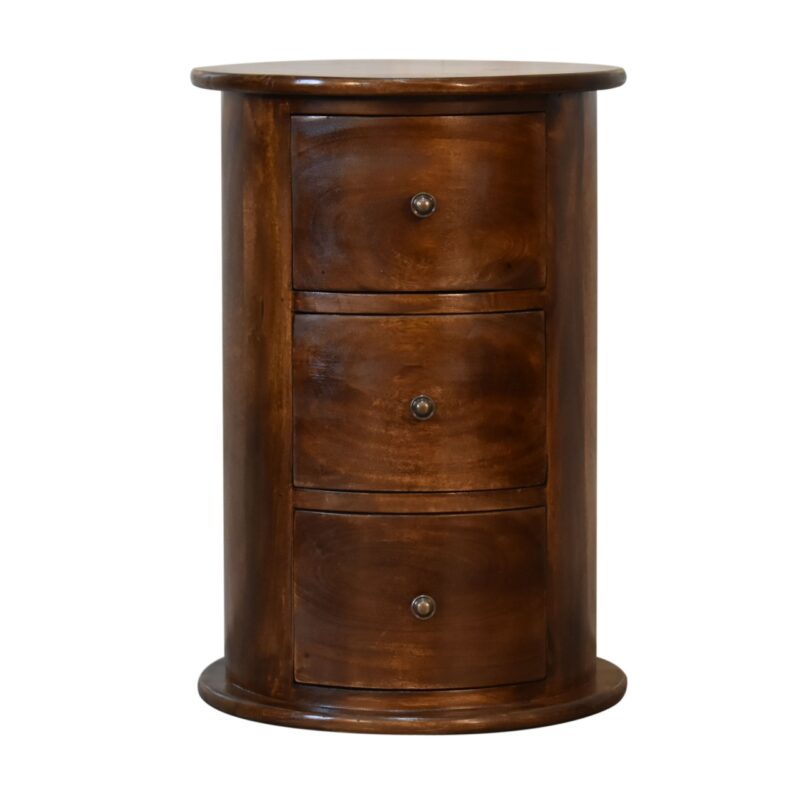
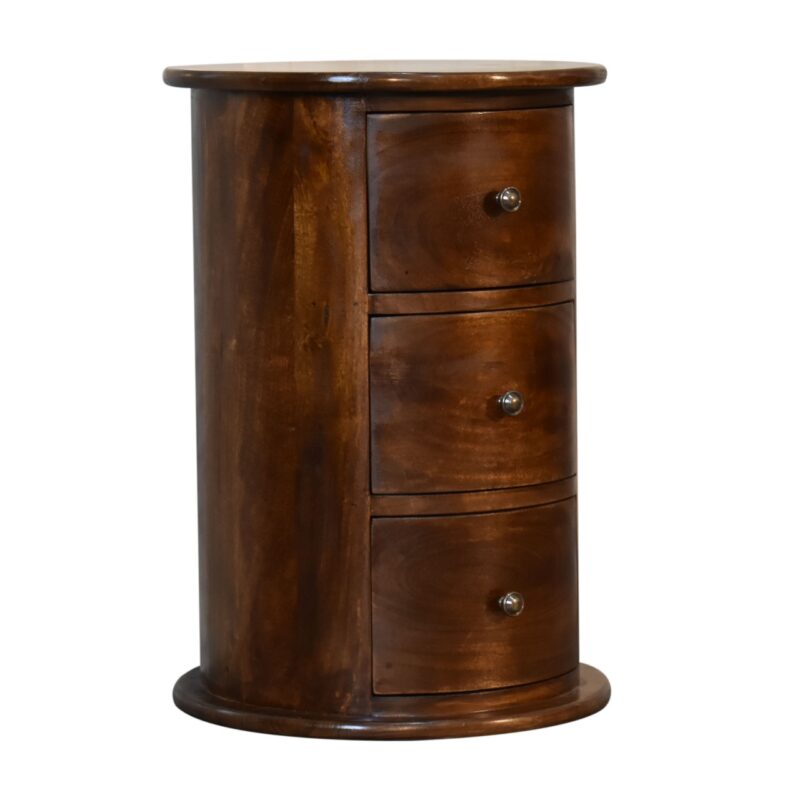
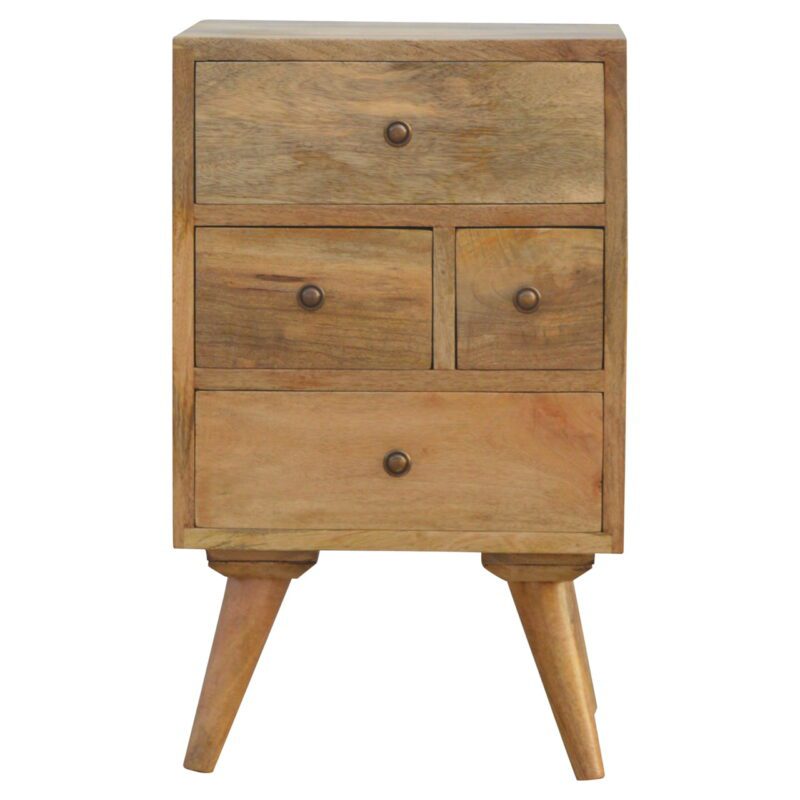
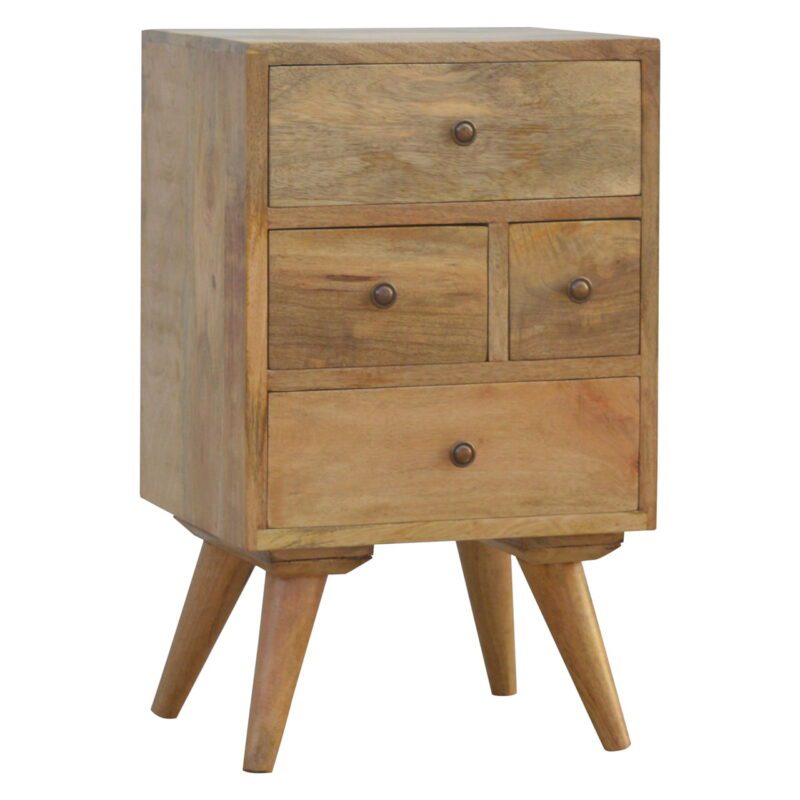
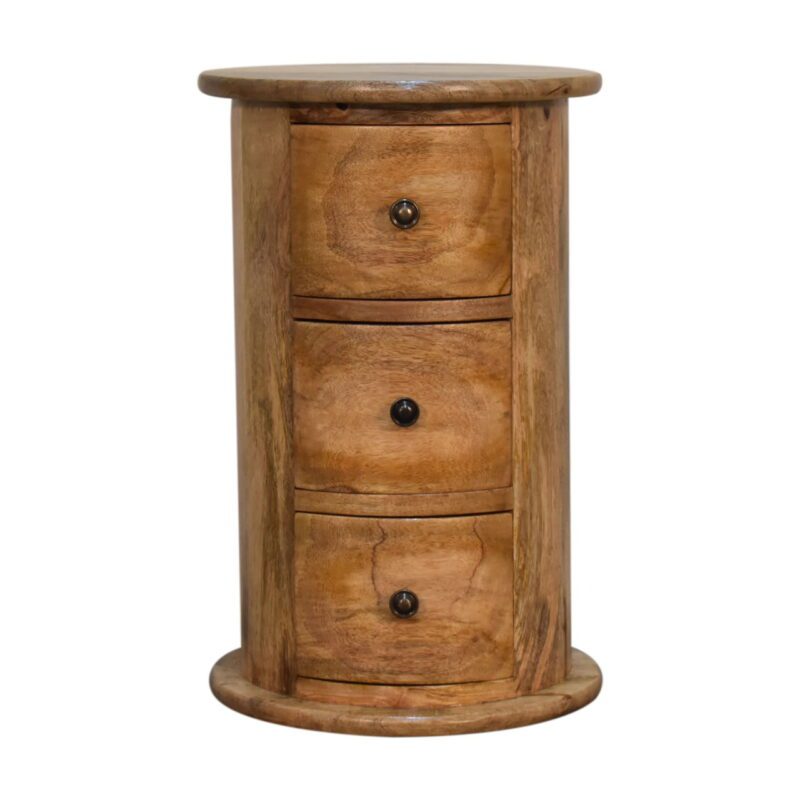
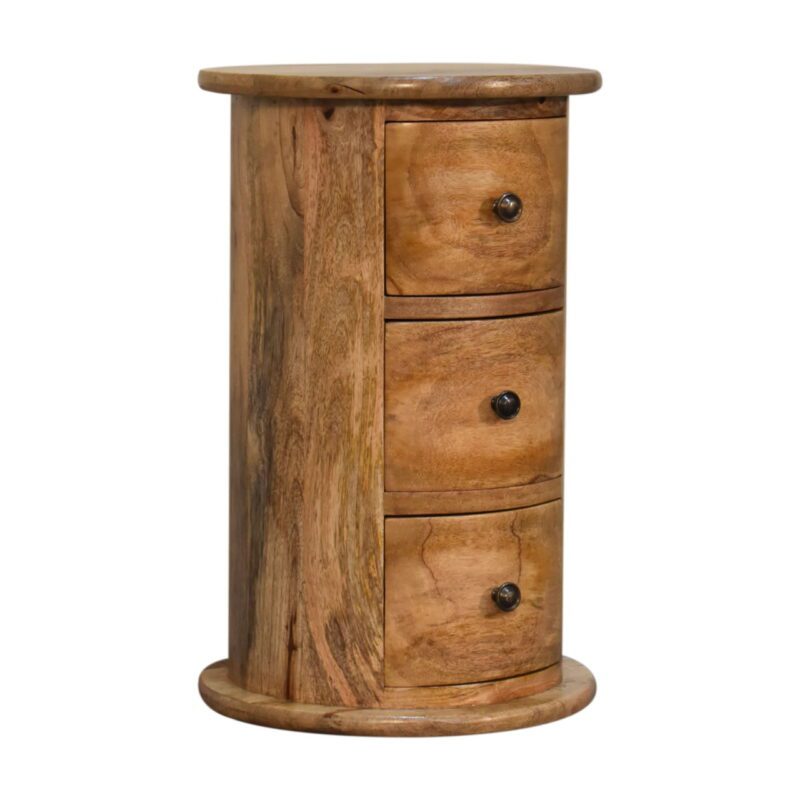
Narrow Tower Design28-35cm wide, 25-30cm deep, 65-80cm tallMultiple small drawers or shelves stacked verticallyCorner placements maximising vertical storage capacity
Nested Stacking Tables30-40cm wide, 28-35cm deep, 45-55cm tallTwo tables stacking together, separate when neededGuest rooms requiring flexible occasional furniture

Optimising Compact Bedrooms with Perfectly Scaled Nightstands

Selecting an appropriately scaled small nightstand table ensures compact bedrooms maintain complete bedside functionality without sacrificing precious circulation space or overwhelming restricted dimensions. Quality materials and thoughtful design features deliver decades of reliable service within genuinely space-efficient footprints suited to challenging UK property layouts. BoxenSpace offers expertly curated compact furniture collections balancing reduced dimensions with practical everyday utility, including a versatile range of space-saving bedside cabinets tailored to modern homes. Explore the complete range to discover perfectly proportioned nightstand solutions transforming tight bedrooms into comfortable, organised sanctuaries.

How useful was this post?

Click on a star to rate it!

0/5 (0 reviews)

No votes so far! Be the first to rate this post.

See All Categories

Leave a Reply

Your email address will not be published. Required fields are marked *