


How to Style a Dark Oak Coffee Table So It Feels Elegant
30 June 2026
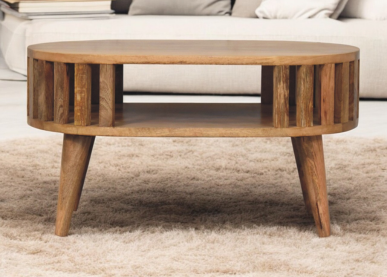
A dark oak coffee table can bring depth, character and sophistication to the living room when it is styled in a way that feels balanced rather than heavy.
Darker wood furniture has a strong presence in a room. It can make a space feel grounded and more refined, but it can also risk becoming visually dominant if the surrounding styling is not carefully considered. This is why a dark oak coffee table works best when it is treated as part of a wider living room composition rather than simply a practical surface in the middle of the seating area. In many UK homes, where living rooms often combine lighter walls and soft furnishings with a need for practical furniture, dark oak can create a very elegant contrast when used well.
The appeal of a dark oak coffee table lies in its richness. The wood adds warmth, substance and a sense of maturity to the room, helping the seating area feel more anchored. The key is making sure that richness feels refined rather than too visually heavy. With the right balance of materials, styling and surrounding colour, the result can be both timeless and highly practical.
Why dark oak is so effective in the living room
Dark oak brings more depth than lighter wood tones, which makes it very useful when a room needs stronger visual structure. In a living room with pale upholstery or neutral walls, a dark oak coffee table can become a beautiful focal point that gives the space more definition. This contrast often helps the room feel more complete and more thoughtfully designed.
At the same time, oak still has a natural warmth that prevents the darker finish from feeling too severe. This makes dark oak especially appealing for interiors that want character and elegance without looking overly formal.
Adding depth without losing warmth
One of the main advantages of dark oak is that it offers contrast while still feeling natural. Unlike harsher darker finishes, it retains enough visible texture and tone to keep the room feeling welcoming. This makes it easier to use in living spaces where comfort is just as important as style.
That balance is one of the reasons dark oak remains such a strong choice in living room furniture.
How to stop a dark oak coffee table feeling too heavy
The key to styling a dark oak coffee table successfully is to balance it with lighter and softer elements around it. Pale rugs, lighter upholstery, linen cushions and natural daylight can all help offset the table’s visual weight. This creates a room where the table feels grounded and elegant rather than overpowering.
It also helps not to overload the table itself. Because dark oak already has strong material presence, simpler styling usually creates a better result. The wood should remain visible and part of the appeal rather than being hidden beneath too many accessories.
Styling principles that help
A few simple choices can make a dark oak coffee table feel much more refined.
-
Use lighter surroundings: Pale walls, upholstery and rugs help balance the darker wood tone.
-
Keep the surface edited: A few well-chosen objects create elegance more effectively than clutter.
-
Add soft textures nearby: Linen, wool and natural fibres stop the room from feeling too hard.
-
Let the wood remain visible: Dark oak looks best when the material itself can still be appreciated.
Why proportion matters as much as colour
A dark oak coffee table should feel appropriate to the size of the room and the scale of the seating area. If the table is too large or too bulky, the darker finish can make the room feel more crowded than it needs to be. If the table is well proportioned, however, the same rich tone can create a beautifully anchored centrepiece.
This is especially relevant in UK homes where living rooms are often moderate in size. Good proportion helps the darker finish feel intentional and elegant rather than too dominant.
Creating a more balanced seating area
The coffee table is often the centre of the room, so its size and styling influence how the whole seating area feels. A dark oak coffee table can work beautifully when it supports the arrangement without overwhelming it. This means allowing enough surrounding space and ensuring other materials help carry the visual balance.
When proportion is right, the darker tone becomes a strength rather than a challenge.
How to style a dark oak coffee table elegantly
An elegant arrangement is usually a restrained one. A tray, a few books, a candle or a ceramic vase are often enough to create a polished look without cluttering the surface. It is also helpful to mix materials so the table does not feel too visually dense. Glass, linen and ceramics all work well because they lighten the effect and add subtle contrast.
In the wider room, repeated touches of dark detail can also help. A lamp base, frame or accent elsewhere in the room can echo the table and make it feel more integrated rather than isolated.
-
Use one or two sculptural objects: This keeps the styling elegant and controlled.
-
Mix in lighter materials: Ceramics, glass and pale books help soften the surface visually.
-
Repeat dark tones sparingly: Small echoes in the room create cohesion.
-
Keep the arrangement calm: Too many accessories can make the table feel heavier than it is.
A refined centrepiece for a balanced living room
A dark oak coffee table can be one of the most elegant pieces in a living room when it is styled with care. It adds depth, warmth and sophistication to the seating area while helping the room feel more grounded and complete. In UK homes where living rooms often benefit from a little contrast against lighter schemes, this makes it especially effective.
For anyone looking to style a dark oak coffee table so it feels elegant rather than heavy, the key is balance. With lighter surroundings, restrained styling and thoughtful proportion, it can become a beautiful focal point that makes the whole room feel more polished, more mature and much easier to enjoy every day.
You may also like
Why a Small White Bookshelf Works So Well in Compact Bright Rooms
A small white bookshelf is one of the simplest ways to add useful storage and visual lightness to…
How Over Cistern Shelving Reclaims Wasted Bathroom Space
Over cistern shelving is one of the smartest ways to reclaim wasted bathroom space and improve storage without…
How to Style a Living Room Around a 140 cm Entertainment Unit
A 140 cm entertainment unit can provide the perfect foundation for a living room setup that feels both…
How to Choose the Right TV Unit 140 cm Wide for Your Living Room
A TV unit 140 cm wide is often one of the most practical choices for a living room…